


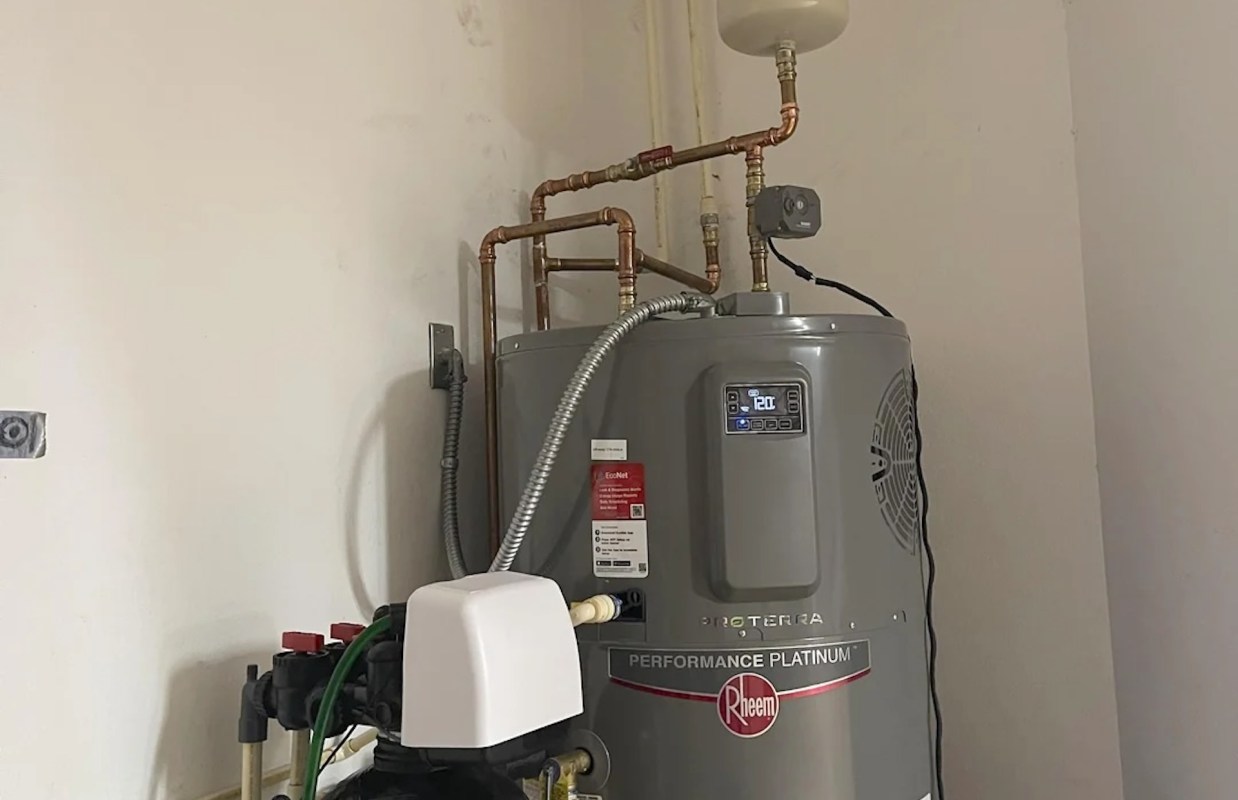
A homeowner ran into heating issues after replacing two electric water heaters with a single heat pump unit. Half the house no longer had hot water.
With the installer blaming the home's plumbing rather than their own work, the owner turned to Reddit for help.
Here's what to know
Two tanks had previously supplied the home: a 30-gallon unit in the garage and a 60-gallon unit in the attic. The homeowner's post on Reddit's r/Plumbing community described switching to one 80-gallon heat pump water heater installed in the garage.
"The plumbers ran a pipe through the attic connecting the new heater to the hot water line in the attic where the previous 60gal heater was." The post described.
"There is no hot water on the side of the house that was previously connected to the attic water heater."
Troubleshooting included inspections of faucets and showers, an additional line, and a check for an accidental connection to a cold-water line. The plumbers had connected the new garage unit to the hot-water line previously used by the attic heater.
The installer concluded that the house itself was at fault, blaming a crossover leak. However, the suspected crossover where hot and cold water were mixing remained unidentified.
"We never had any issues with our hot water in the almost 10 years we've lived in the house. I know it is difficult to pinpoint a potential problem without seeing it, but does anyone have any possible ideas for why this could be happening? How could the crossover leak be identified at the source? Any thoughts or advice would be much appreciated," they wrote.
Crushed by your bills? See instant solar savings from vetted installers in just a few clicks With energy prices through the roof, there's never been a better time to go solar — and EasyHome can help you find the best prices from the best installers in your area. EasyHome takes the guesswork and headaches out of energy upgrades by showing you estimated savings from a network of vetted local partners. To get started, just enter your ZIP and share a few details about your home — seeing your estimate is really that easy. |

Heat pump water heaters can help lower household energy costs by moving heat into water rather than relying solely on electric resistance heating.
More background
Much of the discussion focused on how the home's two previously separate hot-water systems had been connected.
One commenter asked whether the installation included a recirculation loop and the valves needed to control water flow.
The added attic line was a cold-water line used during troubleshooting, as the homeowner understood. A recirculation pump had been discussed as an option if hot-water waits became excessive, but the homeowner did not believe one had been installed.
Another commenter suggested that an unusually high temperature setting on the old attic tank might have concealed a mixing problem, noting that setting the temperature high might have been a "fix" for the underlying issue.
They recommended checking that tank's setting. The homeowner said the installers had removed and discarded the 60-gallon tank.
What can be done?
One commenter shared a similar experience after a tankless water heater installation.
"I ran into this after a tankless install. It was a shower valve. I couldn't figure out which one, so I replaced the cartridges in all three. Worked just fine afterwards. This could certainly be the case."
With the plumber unable to identify the source, the homeowner said they would look into replacing the shower valve cartridges.
For households planning a replacement, Cala offers configurable smart heat pump water heaters. Matching water-heating schedules to household demand can help reduce energy use and bills while preparing hot water around the household's routine. Those scheduling choices go hand in hand with a clear installation plan. Cala's configurable approach addresses when water is heated.
The homeowner also offered to share a photo of the attic connections to give commenters a clearer view of the disputed piping arrangement.
Another Redditor suggested seeking a second opinion.
"Call a different plumber to see if they can figure it out."
Where can I learn more?
Hot-water trouble after an installation or repair has left other homeowners searching for answers, too.
• A U.K. homeowner's taps worsened after a new loft cylinder was installed.
• A new electric water heater stayed cold for 18 hours, prompting installation concerns.
• After water-heater repairs, a homeowner found her hot showers lasted two minutes.
• A Connecticut homeowner's persistent lukewarm showers pointed toward a boiler problem needing professional attention.
• A tankless water heater owner fixed multiple components, but commenters warned against continuing to replace parts.

Get TCD's free newsletters for easy tips, smart advice, and a chance to earn $5,000 toward home upgrades. To see more stories like this one, change your Google preferences here.
Cool Picks






