


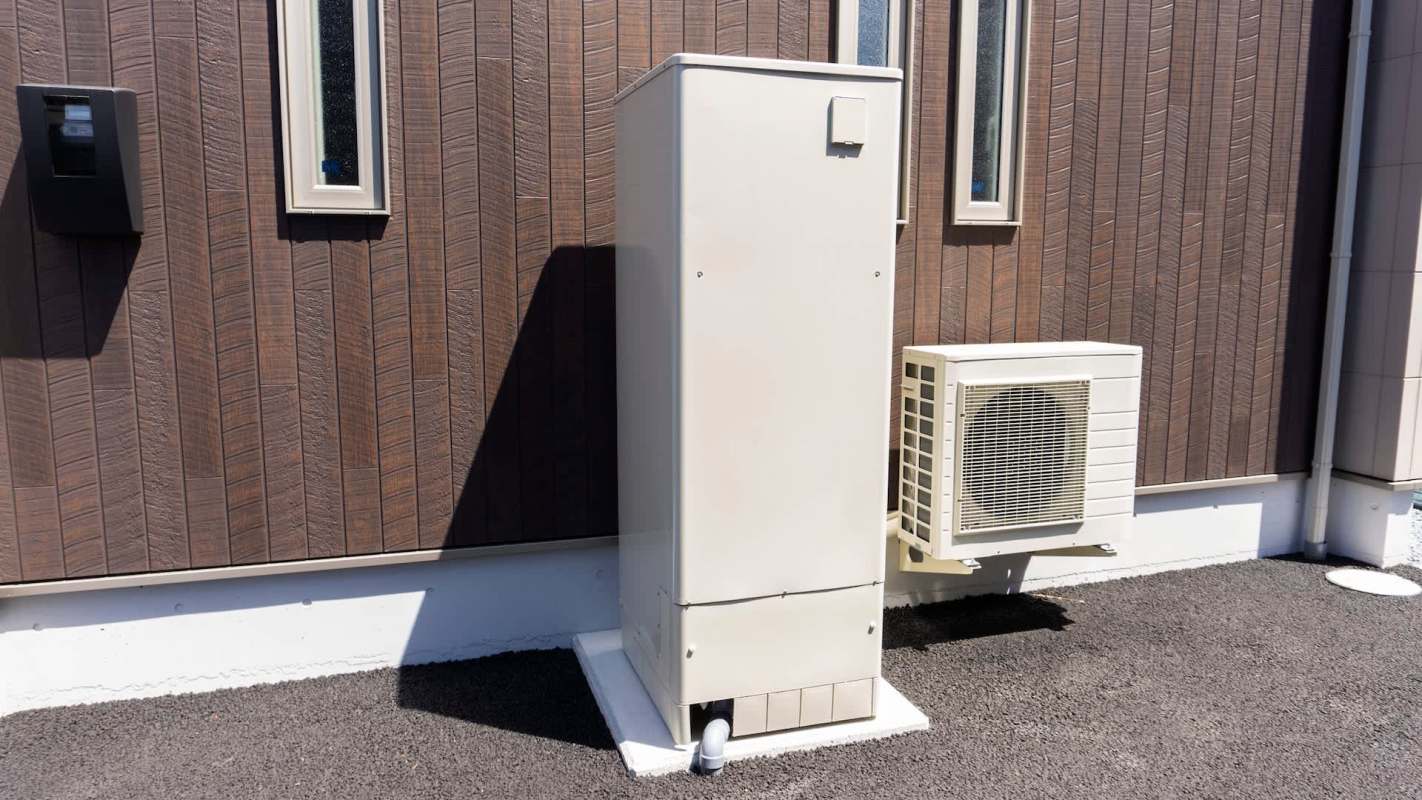
A California homeowner said that even with a roughly $2,500 rebate, a heat pump water heater still didn't fit the budget.
After getting labor quotes of $4,000 to $6,000 before the appliance cost, the household chose to stick with gas for now.
What's happening?
In a post on Reddit, one homeowner described a frustration many people might relate to when trying to electrify a home.
"I'd love to install one and remove my gas hookup, but multiple installers have now quoted me $4000-$6000 for the install not including the equipment itself," the poster wrote.
The homeowner said some of the usual prerequisites were already covered: the electrical panel was ready, an electrician was available, and the permit would be handled personally. Despite that, installers said it would only reduce the price by about a few hundred dollars, according to the homeowner.
The poster added that installing another gas water heater, in comparison, received a $1,000 quote.
TCD Picks » Quince Spotlight
💡These best-sellers from Quince deliver affordable, sustainable luxury for all




Rebates and regulations were also part of the decision. The homeowner said local incentives for a heat-pump water heater were about $2,500, and rules in the area could block gas water heater sales after 2027, but the overall cost still did not work.
"So I'll be sticking with my gas water heater for the foreseeable future," the homeowner wrote.
Commenters said the pricing did not sound unusual.
One person wrote, "The unfortunate fact is that rebates also drive installation price up."
Why does it matter?
Heat pump water heaters are often promoted as a practical home upgrade because they can reduce energy use, help households move away from fossil gas, and pair especially well with rooftop solar.
For some families, that can mean lower monthly utility bills and even the possibility of eliminating gas service charges over time.
But high upfront costs can make the transition slower. If incentives are partly absorbed by higher contractor pricing, rebates may not provide the relief consumers expect, even when they are marketed as a major reason to switch.
That concern goes beyond a single appliance. When homeowners run into sticker shock on one electrification project, they may put off other upgrades as well, from induction stoves to heating and cooling systems.
At the same time, some commenters noted that the savings can still be meaningful when installation costs stay manageable.
One homeowner wrote, "I have solar panels, so for me the extra cost will be recouped by free hot water from now on."
What can I do?
Several commenters suggested breaking the project into smaller pieces to make it easier to manage — such as having a licensed electrician separately to run the 240-volt line — and checking whether a garage placement might qualify for a simpler, lower-cost installation.
Others said some rebates may still be available even for self-installed systems, depending on local program rules.
One commenter added, "I bought a propress and did it myself in two houses," adding that the rebate still went through after submitting photos and paperwork.
That option will not be realistic for everyone, of course, and it can come with code, safety, and warranty risks.
Timing could also help, since a planned replacement is typically easier than an emergency one, and prices could shift as more installers gain experience with the technology.
One Redditor summed it up by saying that "this is roughly market pricing."

Get TCD's free newsletters for easy tips, smart advice, and a chance to earn $5,000 toward home upgrades. To see more stories like this one, change your Google preferences here.






