


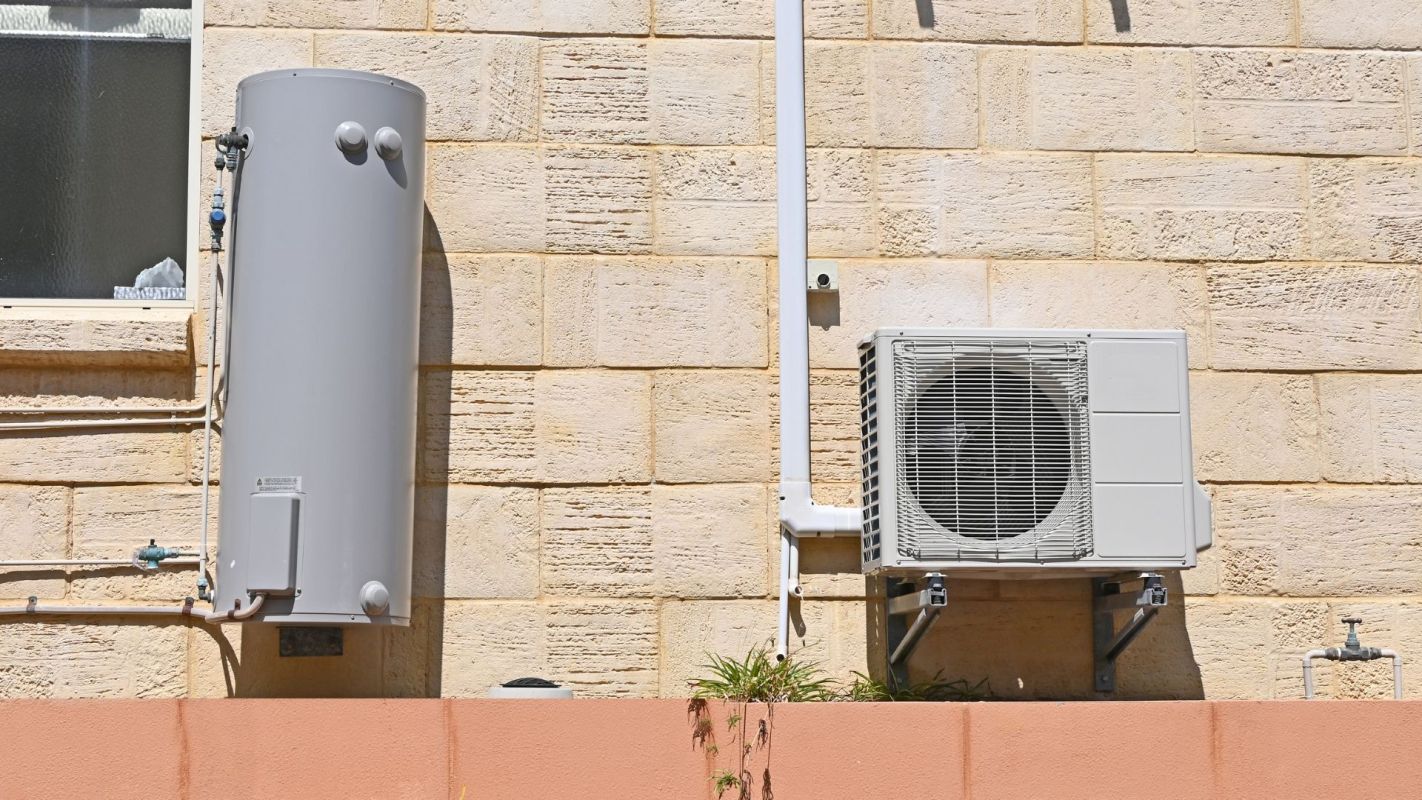
When a family of five in Australia lost its bottled-gas hot water system, the replacement question opened up a bigger home energy debate of whether to go for a heat pump or storage tank.
For homeowners looking to cut utility bills and move away from delivered gas, Redditors on the r/AusRenovation subreddit suggested the answer may depend less on the water heater itself and more on whether the home already has solar panels and battery storage.
Here's what to know
Citing the hassle of bottled gas deliveries, the original poster wrote on Reddit that a family of five needed to replace a failed bottled gas instant system and asked whether a heat pump or a "stand alone electric" unit made more sense. They observed that "getting gas bottles delivered is a pain."
For homes with a "decent sized solar and battery system," a Redditor said "an electric storage unit with an oversized tank" may be the better fit, arguing that the real deciding factors are the home's broader energy setup and total hot water demand. They added that "efficiency doesn't matter if the electricity is free."
Where solar and battery storage are not part of the equation, they said the math may point elsewhere.
"If you don't have solar/battery then you can consider a heat pump unit but a decent one can get expensive so you will have to do the sums to make sure it's worth it," they wrote.
Indeed, upgrading to a heat pump water heater can cut down on bills, especially for households not generating extra solar energy.
More background
Noise came up alongside performance in heat pump experiences from the thread. One commenter quelled questions about the size of heat pump water heaters but noted "the external unit does make more noise so ensure it's not near a bedroom." That was a common callout from posters.
Save $10,000 on solar panels without even sharing your phone number Want to go solar but not sure who to trust? EnergySage has your back with free and transparent quotes from fully vetted providers in your area. To get started, just answer a few questions about your home — no phone number required. Within a day or two, EnergySage will email you the best options for your needs, and their expert advisers can help you compare quotes and pick a winner. Solar panels can save you more than $50k over their 25-year lifespan, and EnergySage can help you save as much as $10k on installation. Which begs the question — isn't that worth an email or two? |

The price equation can change when rooftop solar is involved. One example came from a Reddit commenter, who said solar panels were paired with a 185-gallon (700-litre) electric storage hot water heater and controlled by a timer.
"The hot water system switches on between 12 and two when solar power is at its maximum to heat water," they wrote.
Household demand also shaped the discussion. Posters instructed the OP to be careful to make sure their new system could match how much hot water they would need.
What can be done?
Two issues kept surfacing in the thread. They were the home's overall power setup and the household's water use.
The takeaway was that value depends on the home. A cheaper tank with a timer may be the better option in one case, while a heat pump may come out ahead in another.
For households that want heat pump efficiency, Cala offers another model to consider. The company's customizable smart heat pump water heaters help you lower your energy bills by heating water exactly when it's needed. That can be especially useful in busy homes where showers, laundry, and dishwashing all compete for hot water at different times.
By giving you the hot water you need when you need it, Cala reduces wasted energy while keeping you comfortable. For buyers looking for a more tailored option, Cala provides so many options beyond one-size-fits-all tanks.
Where can I learn more?
For Australian households comparing heat pumps with standard electric tanks, the bigger question is often timing: when to get off gas, tighten up efficiency, and bring in solar. Energy prices and day-to-day heating habits can also shift the math on whether a higher-efficiency upgrade is worth it.
• In Australia, homeowners can reduce bills by about $4,000 a year by sealing drafts and ditching gas.
• In Maine, heat pumps changed the home heating game for oil-reliant households chasing lower bills.
• Inside many homes, a popular heating hack may actually raise costs instead of saving energy.
The right upgrade depends on how the whole home uses energy. Think through gas replacement, solar timing, and overall demand before you buy.

Get TCD's free newsletters for easy tips, smart advice, and a chance to earn $5,000 toward home upgrades. To see more stories like this one, change your Google preferences here.






