


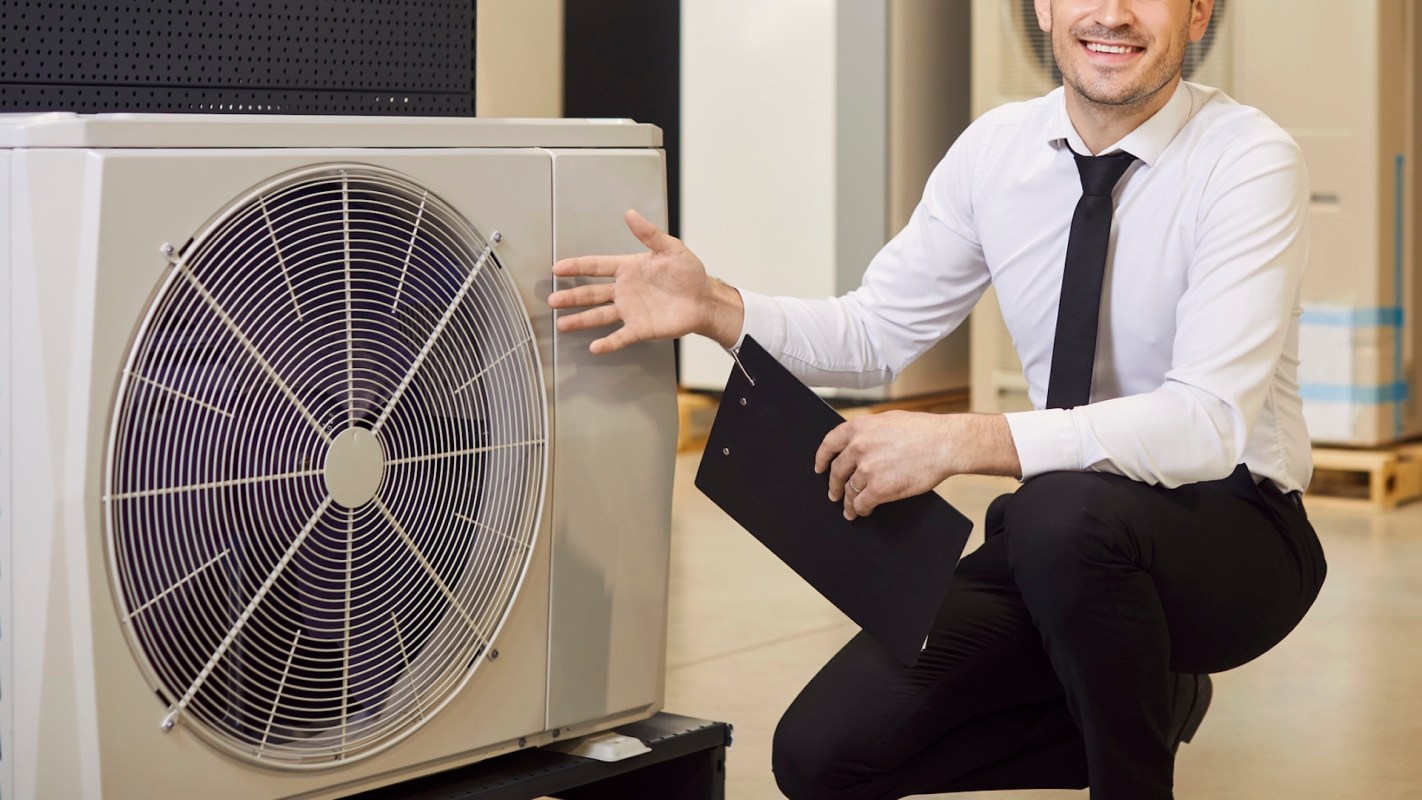
A homeowner in eastern Ontario is facing a dilemma that may sound familiar to anyone considering a move away from fossil-fuel heating. They're considering a larger heat pump that could qualify for a larger rebate, but it may not be the right fit for the home.
Here's what to know
In a Reddit post, the original poster explained that their home currently uses propane heat and that they are looking into a cold-climate heat pump while still relying on propane during the coldest stretches. Because the house is heated with propane, the homeowner said available grants could return "$1250/ton back," which makes a bigger unit more appealing on paper.
What bothered the homeowner most was how the estimates were being done. They said only one installer seemed to base the recommendation on an actual heat-loss calculation.
"I've had a few quotes done, but only one contractor appears to have actually done a proper heat loss calculation. The rest just asked my square footage," the original poster wrote.
The conversation then narrowed to a choice between a 2-ton and 3-ton system.
One commenter offered a straightforward recommendation: "Stick with the load calc, and get the two ton unit."
For homeowners navigating similar decisions, Palmetto's Comfort Plan network can help you find efficient heating and cooling solutions for your home and connect you with vetted installers.
More background
Even when rebates reduce the upfront price of electrification, the system still has to be sized for the house. The original poster said that making a 3-ton setup eligible for the grant would require a larger 4-ton coil, and that coil would not fit the existing furnace.
Save $10,000 on solar panels without even sharing your phone number Want to go solar but not sure who to trust? EnergySage has your back with free and transparent quotes from fully vetted providers in your area. To get started, just answer a few questions about your home — no phone number required. Within a day or two, EnergySage will email you the best options for your needs, and their expert advisers can help you compare quotes and pick a winner. Solar panels can save you more than $50k over their 25-year lifespan, and EnergySage can help you save as much as $10k on installation. Which begs the question — isn't that worth an email or two? |

That is why commenters cautioned that chasing the larger rebate could create comfort problems.
"Oversizing helps when it's really cold, but decreases comfort the rest of the year," one commenter wrote.
In the Ontario homeowner's case, rebate eligibility alone could add up to thousands of dollars back, depending on the final system size.
What can be done?
The discussion underscored that square footage alone is not enough to size HVAC equipment properly; a real load calculation matters more. The original poster also said certain systems might need a proprietary thermostat or lose some functionality with a traditional 24V thermostat.
Cost remains a major hurdle, but financing options do exist. If you're not ready to pay upfront, Palmetto's Comfort Plan includes $0-down options that can lower heating and cooling costs by up to 50% and includes 12 years of free maintenance.
Homeowners can also pair solar panels with electric appliances such as efficient HVACs to push utility costs even lower. EnergySage makes it easy to find the best solar system and installer for your home and budget, saving you up to $10,000 on installations.
Where can I learn more?
The same mix of rebates, installer advice, and financing that came up in this Ontario case is shaping heat pump choices elsewhere, too. Public funding, comparison tools, and building rules are affecting what homeowners can buy and how they decide what fits.
• Across New England, a $450 million grant is helping communities cut household heating bills.
• EnergySage now gives homeowners their own expert energy adviser while they compare heat pump options.
• Under a new partnership, homeowners can install high-efficiency heat pumps with no large upfront payment.
• In Washington State, builders must put heat pumps in new homes as rules tighten.

Get TCD's free newsletters for easy tips, smart advice, and a chance to earn $5,000 toward home upgrades. To see more stories like this one, change your Google preferences here.






