


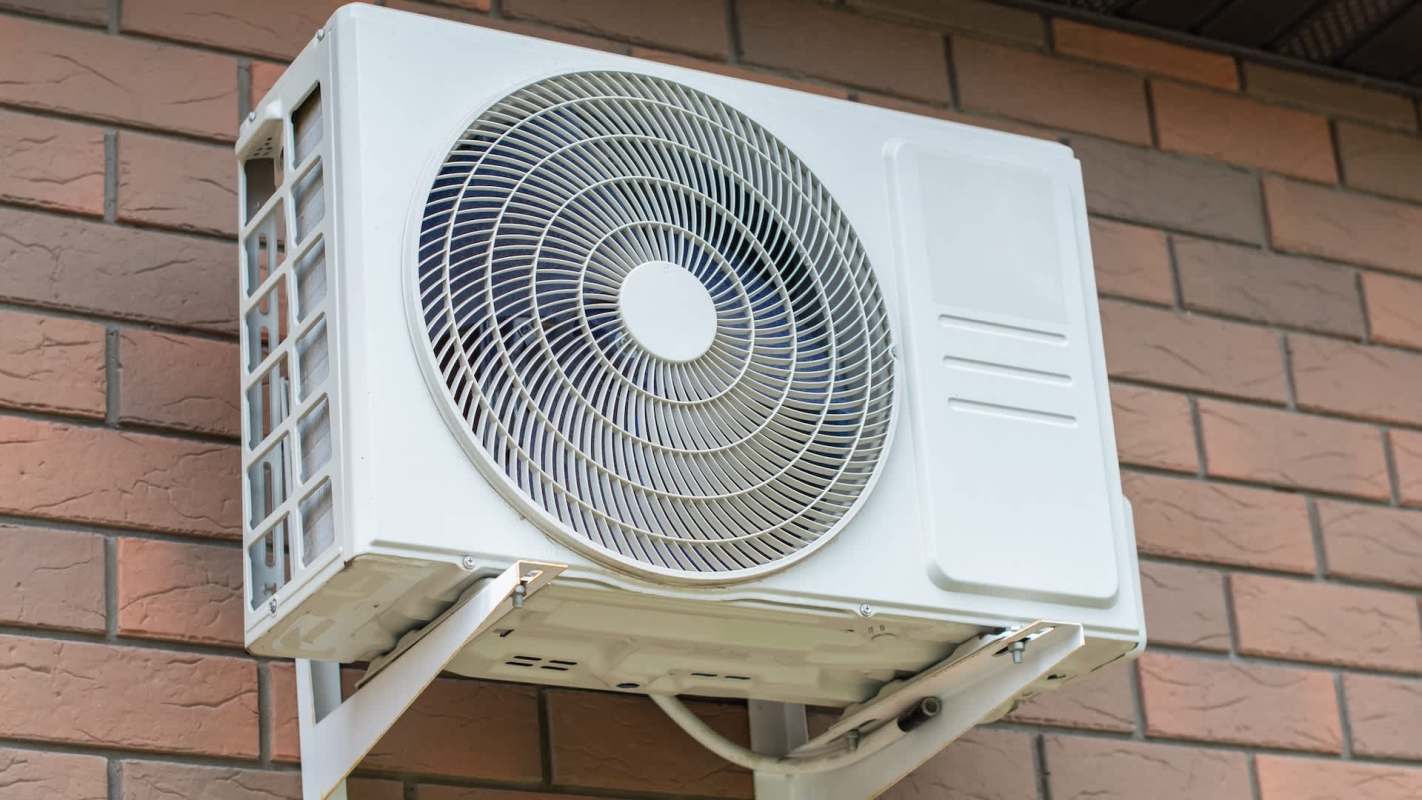
Heat pumps are often promoted as a smart way to cut home energy use, lower utility bills, and move away from gas. But for many homeowners, the real-world path to getting one can be much more complicated than a simple equipment swap.
Here's what to know
In a Reddit thread, one frustrated poster said the push toward electrification can gloss over costly prerequisites such as rewiring, insulation upgrades, and quotes that still landed at about $9,000 even after grants.
The poster said they still planned to get a heat pump once more of the home's electrical and insulation work was completed. Their complaint was not about heat pumps themselves, but about how often the message of "stop burning gas, get a heat pump" is delivered without much discussion of the expense and disruption that may come before installation.
The discussion drew similar complaints from others. One commenter argued, "Government subsidies should come with price caps."
Another described an insulation job that ballooned into a much bigger project, writing, "Will be 20K to 'add some insulation' ten times what it would be to just blow more fluff up there."
Upgrading your heating and cooling system can be one of the best ways to save money on utility bills and protect yourself against rising energy prices — but only if the upfront costs are manageable. If you're exploring your options, Palmetto's Comfort Plan network can help you understand efficient HVAC systems and heat pumps and connect you with vetted installers.
More background
Heat pumps are appealing because they can heat and cool a home far more efficiently than many older systems, especially compared to equipment that burns fuel on-site. For homeowners, that can mean a more comfortable home and lower monthly energy costs over time.
Older homes may need rewiring, ventilation fixes, or insulation improvements before homeowners see the full benefit. The heat pump itself may be only one piece of a much larger project.
Save $10,000 on solar panels without even sharing your phone number Want to go solar but not sure who to trust? EnergySage has your back with free and transparent quotes from fully vetted providers in your area. To get started, just answer a few questions about your home — no phone number required. Within a day or two, EnergySage will email you the best options for your needs, and their expert advisers can help you compare quotes and pick a winner. Solar panels can save you more than $50k over their 25-year lifespan, and EnergySage can help you save as much as $10k on installation. Which begs the question — isn't that worth an email or two? |

In some homes, installation is relatively straightforward, particularly if the homeowner is already replacing an aging furnace or air conditioner. In others, the most practical path may be phased: weatherize first, complete electrical work next, and install the heat pump after that.
What can be done?
For homeowners looking to make the switch, one of the best first steps is to get multiple quotes and ask installers to separate the heat pump cost from any additional electrical, insulation, or ventilation work. This makes it easier to compare bids, spot inflated pricing, and decide which upgrades are truly necessary now and which can wait.
Palmetto's Comfort Plan includes $0-down options that can lower your heating and cooling costs by up to 50%, which may help if you're not ready to spend upfront. The plan also includes 12 years of free maintenance, which may make an efficient HVAC or heat pump upgrade easier to budget for.
Homeowners can also push savings further by pairing solar panels with electric appliances such as heat pumps. EnergySage makes it easy to find the best solar system and installer for your home and budget, saving you up to $10,000 on installations.
Where can I learn more?
Going electric can get complicated well before the equipment arrives. The articles below dig into the same issues raised in the Reddit thread, from contractor pushback and murky quotes to the challenge of figuring out which costs are actually necessary.
• A homeowner found so many misconceptions when an HVAC tech refused a heat pump quote.
• Homeowners said "don't use this guy" after an installer refused an ultra-efficient system.
• EnergySage built their own expert energy adviser to help homeowners compare heat pump options.
• A homeowner said they feel a little fishy when heat-pump water-heater savings sound too good.
Reading through them can make it easier to separate real upgrade hurdles from sales pressure or misinformation. That kind of context can help homeowners budget more confidently and ask sharper questions before signing a contract.

Get TCD's free newsletters for easy tips, smart advice, and a chance to earn $5,000 toward home upgrades. To see more stories like this one, change your Google preferences here.






