


Sticker shock is hitting some homeowners who want to swap out old heating systems for cleaner electric ones.
One Boston-area resident found that switching to ducted heat pumps can carry a much higher price tag than expected.
What happened?
In a post on Reddit, the homeowner wrote: "I'm looking to replace [oil-fired hot water baseboards] with a ducted heat pump system. I've gotten 5 quotes so far ranging from $40k to $70k for two condensers and two air handlers."
For the owner of the 1,700-square-foot home, the surprise was the bill. Even with a $10,000 rebate, they said it would still cost at least $30,000 to convert to ducted heat pumps.
Replies suggested those figures, while tough to swallow, were typical in New England.
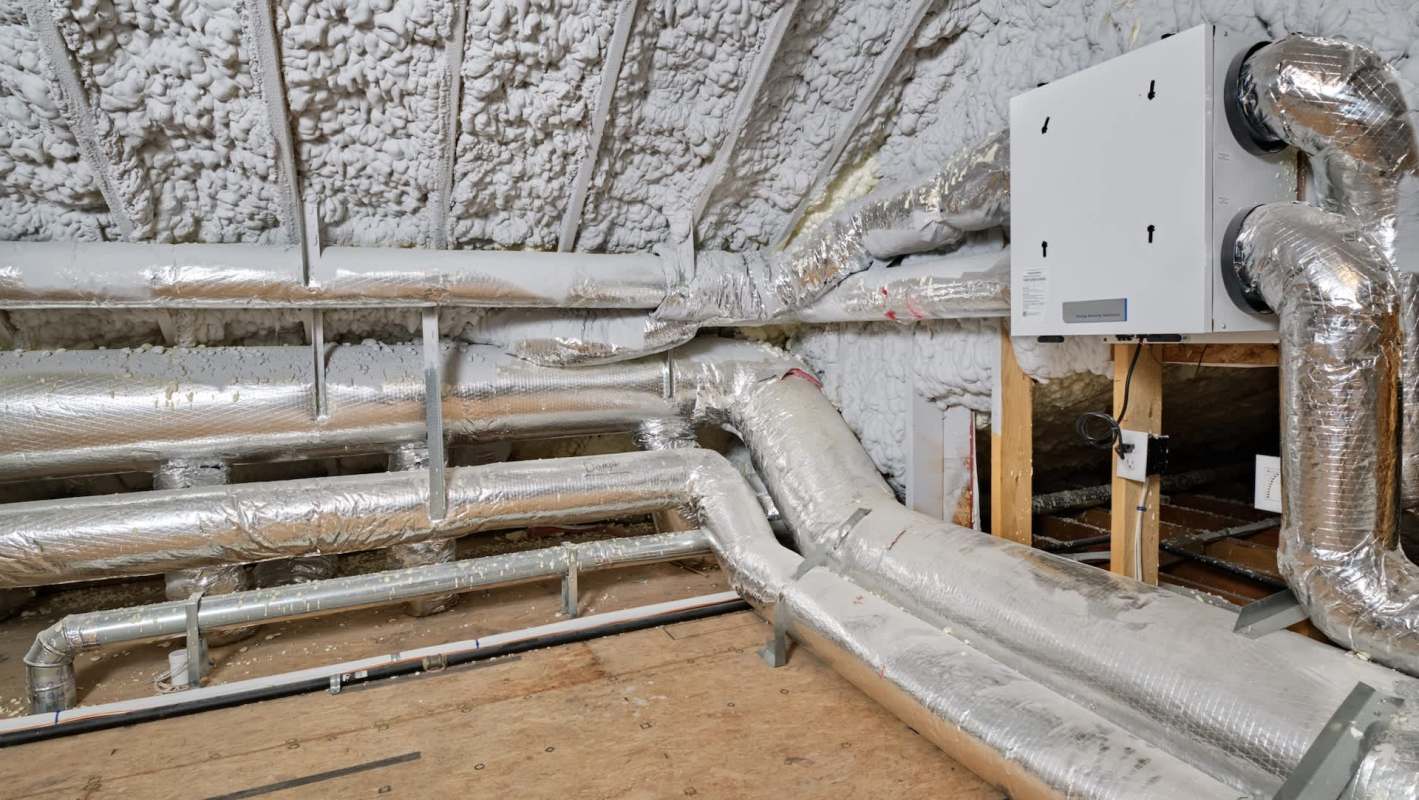
One user replied: "That's about what we paid in late 2024. Sounds like we have a similar setup. The most expensive part was adding the ductwork."
Another theme in the discussion was that labor can dominate costs.
"Ductwork sucks. It's the worst part of residential HVAC," another commenter wrote.
Save $10,000 on solar panels without even sharing your phone number Want to go solar but not sure who to trust? EnergySage has your back with free and transparent quotes from fully vetted providers in your area. To get started, just answer a few questions about your home — no phone number required. Within a day or two, EnergySage will email you the best options for your needs, and their expert advisers can help you compare quotes and pick a winner. Solar panels can save you more than $50k over their 25-year lifespan, and EnergySage can help you save as much as $10k on installation. Which begs the question — isn't that worth an email or two? |

Why does it matter?
Heat pumps are significantly more energy-efficient than traditional HVAC systems because they move heat instead of generating it, and they can provide both heating and cooling in a single setup.
Homeowners may be able to cut energy use while replacing separate heating and air conditioning systems. Tax credits, rebates, and utility savings can help offset the upfront cost.
But rebates do not always guarantee affordability if a contractor's price rises alongside incentives.
What can I do?
Commenters suggested ways to trim the bill, including by going with a ductless or hybrid system, checking whether two full systems were actually needed, and requesting a Manual J load calculation.
Pairing solar panels with efficient electric appliances can further reduce costs.
One commenter summed up the broader reality of these retrofits, writing, "You're not just buying equipment; you're basically paying for a construction project."

Get TCD's free newsletters for easy tips, smart advice, and a chance to earn $5,000 toward home upgrades. To see more stories like this one, change your Google preferences here.






