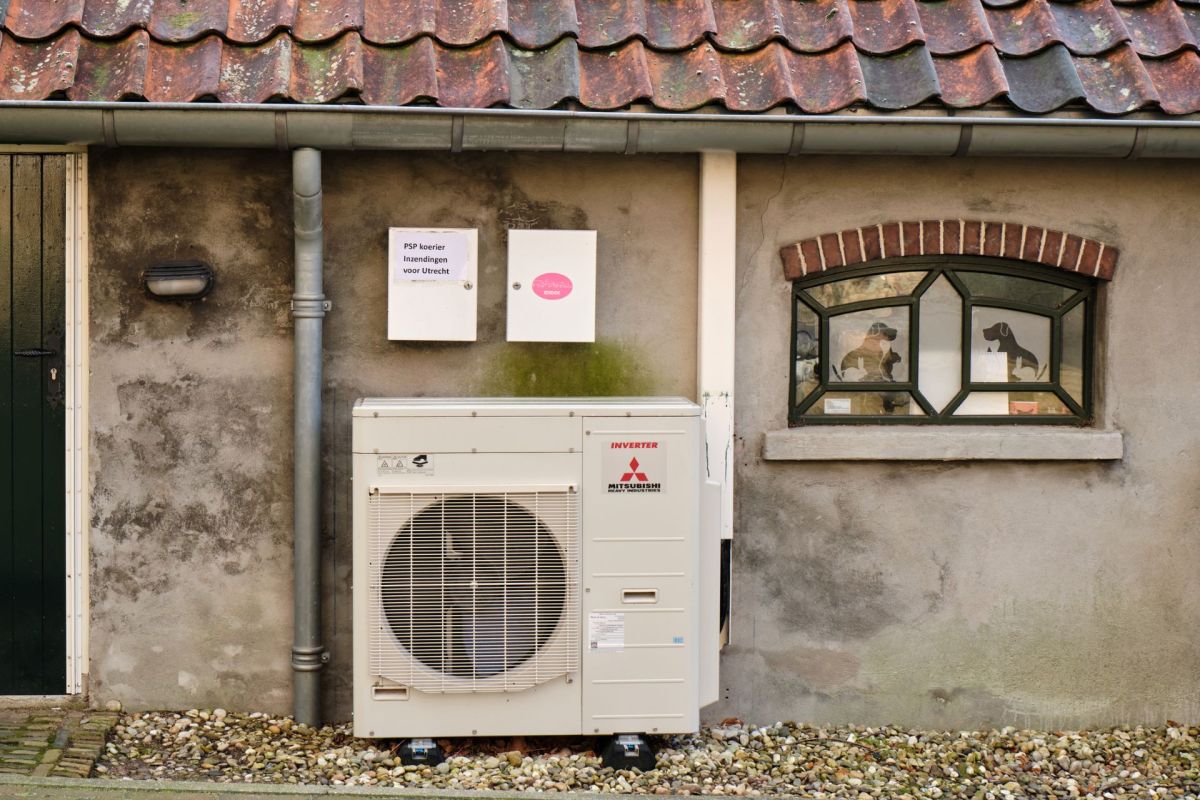
A homeowner in the United Kingdom found that a heat pump can work in an 18th-century home with solid walls more effectively than many people might expect.
After moving away from an old oil-heating system, he saw steadier temperatures indoors, lower yearly heating bills, and performance measured at roughly 520% efficiency.
Here's what to know
A YouTube video from Heat Geek (@HeatGeek) looked at a house built in several stages. Its oldest section dates to about 1760 and is made of sandstone, while later additions included a 1917 brick section and a 1975 area with cavity wall insulation. Before the change, the home used oil heating and had an approximately 30-year-old 528-gallon (2,000-liter) single-skin steel tank in the garage.
For the homeowner, identified only as John, that old tank was a key factor in exploring alternatives. He said, "Getting rid of oil has been massive," and pointed to worries over leaks, fuel deliveries, smells, and insurance issues.
During the first year, the system used 3,982 kilowatt-hours for heating and hot water combined. John said that totaled about £836 (around $1,100) at his electricity rates, compared with the roughly £1,200 to £1,500 (about $1,600 to $2,000) he had been paying each year for oil.
If you're exploring a similar upgrade, Palmetto can help you understand your HVAC options and slash your energy bills with new, efficient HVACs and heat pumps. Its Comfort Plan network can help you find efficient heating and cooling solutions for your home and connect you with vetted installers.
More background
John's outcome challenges the idea that an older house is automatically a bad match for a heat pump.
The northeast brick part of the home, which had previously been cold and damp, was reported to be warm and dry after the installation. The video also said relative humidity went down, the condensation problem improved, and temperatures became more even across the property.
Save $10,000 on solar panels without even sharing your phone number Want to go solar but not sure who to trust? EnergySage has your back with free and transparent quotes from fully vetted providers in your area. To get started, just answer a few questions about your home — no phone number required. Within a day or two, EnergySage will email you the best options for your needs, and their expert advisers can help you compare quotes and pick a winner. Solar panels can save you more than $50k over their 25-year lifespan, and EnergySage can help you save as much as $10k on installation. Which begs the question — isn't that worth an email or two? |

An efficiency reading of about 520% means the system was providing much more heat energy than the electricity it consumed. The creator said the key factors are not simply a home's age, but accurate heat-loss calculations and high-quality installation.
Viewers in the comments echoed that point with their own experiences. One wrote, "Videos like this are important because they demonstrate that heat pumps can — and do — work in all sorts of British homes, including older properties."
What can be done?
A detailed home assessment can account for insulation, wall type, drafts, radiator sizing, and a home's actual heat loss, all of which affect performance and operating costs.
Noise, indoor comfort, moisture control, fuel deliveries, and exposure to volatile oil or gas prices can all help determine whether an upgrade makes sense over time.
Palmetto may also be worth a look if upfront cost is holding you back. If you're not ready to spend up front, Palmetto's Comfort Plan includes $0-down options that can lower your heating and cooling costs by up to 50%, and it includes 12 years of free maintenance.
You can also pair solar panels with electric appliances, including efficient HVACs and heat pumps, to drive your utility costs even lower. EnergySage makes it easy to find the best solar system and installer for your home and budget, saving you up to $10,000.
As the video put it: "This is exactly why we don't believe you can decide whether a house is suitable for a heat pump simply by looking at its age. Every home is different. The important bit is understanding how much heat the building actually loses and designing the heating system properly around it."
Where can I learn more?
These stories raise the same question: can a heat pump replace an older gas- or oil-fired system without making a home less comfortable? They also show how much installer quality, local conditions, and comparison shopping can affect cost and day-to-day performance.
• In the U.K., a homeowner chased a 400%-efficient heat pump and learned a lot along the way.
• In Maine, heat pumps changed the home-heating game for residents long dependent on oil.
• EnergySage helps homeowners compare heat pumps with an expert 'energy adviser' guiding installer choices.
The bigger takeaway is that older homes and former oil users may still be strong candidates for heat pumps. Good system design and better tools for comparing options can go a long way.

Get TCD's free newsletters for easy tips, smart advice, and a chance to earn $5,000 toward home upgrades. To see more stories like this one, change your Google preferences here.