


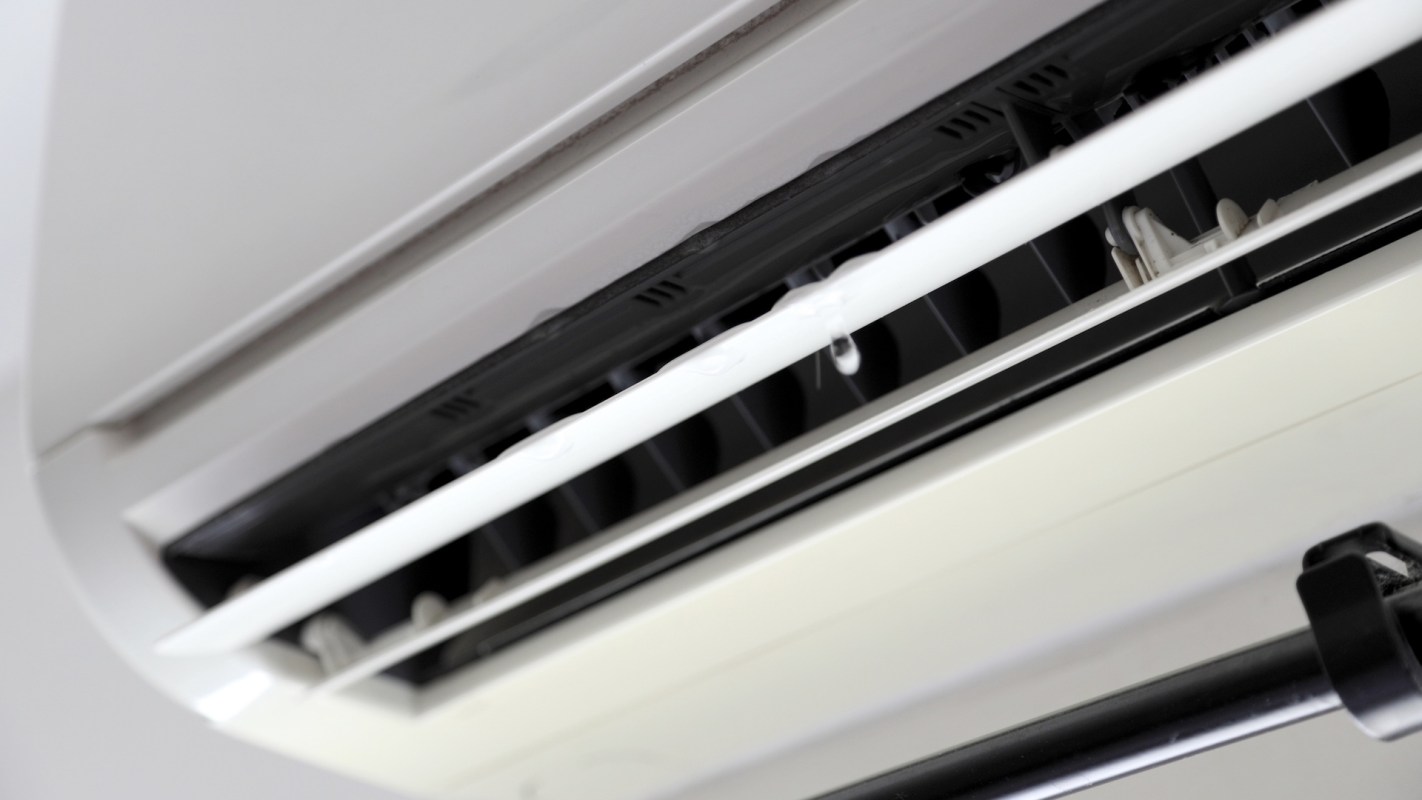
A Texas homeowner says a three-year-old heat pump in a foam-insulated new build still can't keep up with the summer heat. After hiring multiple repair companies and sinking money into several expensive repairs, they have turned to online forums for help.
In a post on Reddit, the homeowner said the indoor temperature was still climbing into the upper 70s by evening despite a series of repair attempts, including compressor and blower motor replacements, TXV work, and sealing around the vent boots.
What happened?
The homeowner said the Carrier two-stage heat pump in the roughly three-year-old Texas new build was struggling during low-to-mid 90s weather. According to the post, indoor humidity was above 60%, the vents were sweating, and the system could not hold a 71-degree thermostat setting.
As the original poster wrote, "We would set the thermostat for 71 and by 2pm will lose ground and by 6pm will be 78/79." Later work on the vent boots and blower settings stopped the sweating, but it did not solve the cooling problem.
Heat pumps are significantly more energy-efficient than traditional HVAC systems while also providing both heating and cooling. That can mean lower utility bills, savings, and access to incentives such as tax credits and rebates. Homeowners comparing options can use EnergySage's Heat Pump Marketplace to review systems and installer quotes.
For people who do not need a whole-home replacement, Merino is an option.
Why does it matter?
When a high-efficiency system is installed or tuned incorrectly, homeowners can end up paying for repair after repair without ever addressing the root cause. In hot, humid climates, weak cooling performance can also mean higher electric bills, lingering moisture, and less comfort during the most dangerous stretch of summer.
Although the poster lives in a new construction, new does not always mean optimized. Even in a well-insulated home, problems such as incorrect system sizing, duct restrictions, poor commissioning, airflow issues, or refrigerant setup can undercut performance.
Crushed by your bills? See instant solar savings from vetted installers in just a few clicks With energy prices through the roof, there's never been a better time to go solar — and EasyHome can help you find the best prices from the best installers in your area. EasyHome takes the guesswork and headaches out of energy upgrades by showing you estimated savings from a network of vetted local partners. To get started, just enter your ZIP and share a few details about your home — seeing your estimate is really that easy. |

Heat pumps can be a money-saving upgrade when they are designed and installed properly, but diagnosing problems often requires more than simply swapping out parts. The real savings come from a system that actually dehumidifies, cools efficiently, and avoids unnecessary service calls.
What can I do?
Commenters were quick to make suggestions.
"Check to see if the fresh air intake is still open," said one, to which the poster replied that the fresh air intake had failed.
Homeowners looking to offset the power used by a temperature control may also want to cut energy costs with solar. EnergySage offers a free solar quotes comparison tool.
If you're evaluating whether to repair, replace, or supplement an existing system, EnergySage's Heat Pump Marketplace can also help you compare heat pump options before committing to another costly fix.
The issue remains unresolved. The homeowner wrote that the "house is still not cooling" and added, "We've sunk so much money and are desperate."

Get TCD's free newsletters for easy tips, smart advice, and a chance to earn $5,000 toward home upgrades. To see more stories like this one, change your Google preferences here.






