


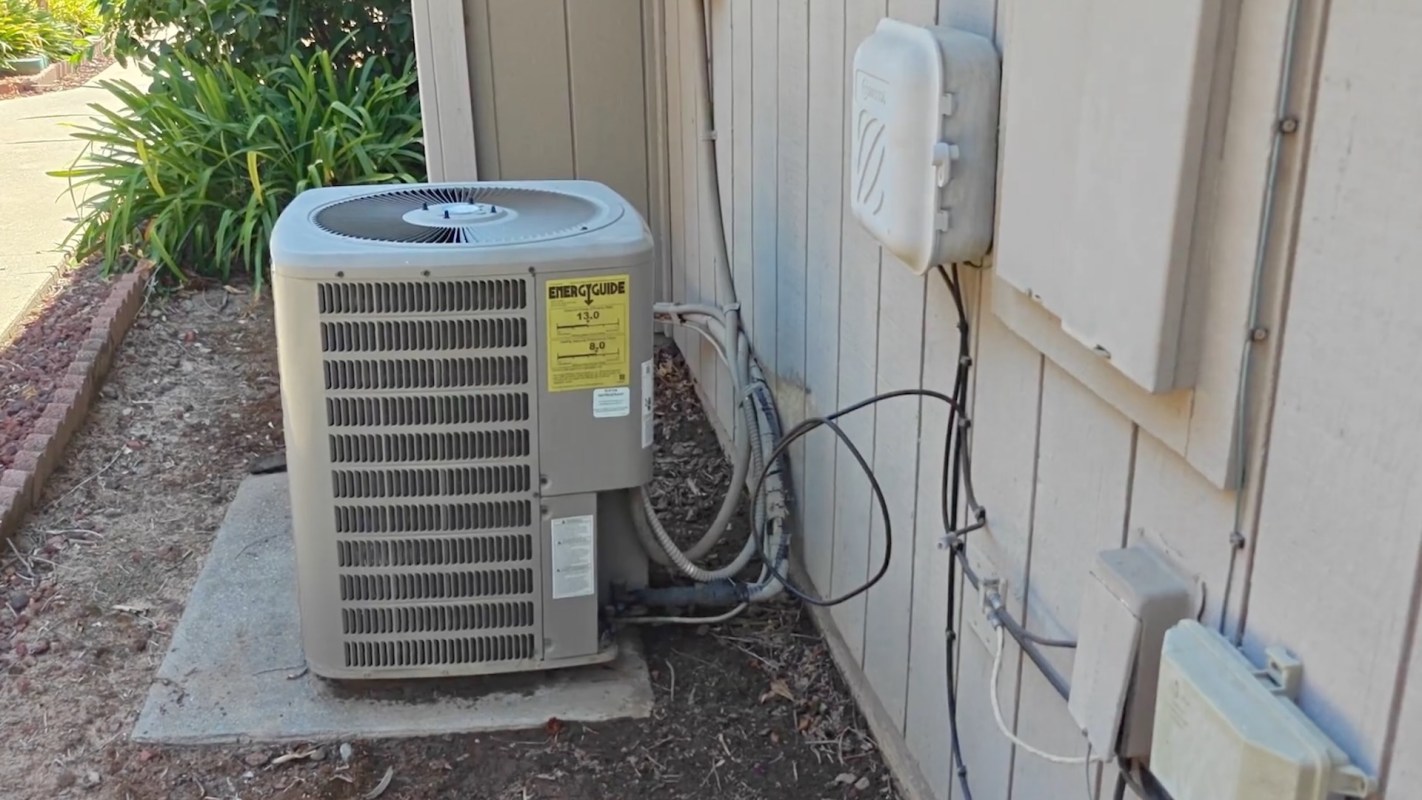
A homeowner with a roughly 14-year-old heat pump went to the r/hvacadvice subreddit for counsel after a technician flagged a strange startup noise and warned that the compressor could fail soon.
Here's what to know
In the post on Reddit, the original poster wrote they were "looking for a second opinion," after saying "the tech indicated the compressor was making a weird noise at startup, and that I should plan for it likely failing here soon."
(If the video doesn't play on your browser, click here)
On the invoice, the capacitor was recorded at 39.65/4.995 µF, compressor draw at 7.00 amps, condenser fan motor draw at 0.57 amps, and compressor inrush as "O.L." The homeowner said those readings came from an aging system.
For homeowners trying to choose between monitoring a problem, making a repair, or replacing equipment, the post highlights the kinds of measurements worth asking a technician to provide.
That is especially important because upgrading your heating and cooling system is one of the best ways to save money on your utility bills and protect yourself against rising energy prices. If you want help sorting through your options, Palmetto's Comfort Plan network can help you find efficient heating and cooling solutions for your home and connect you with installers here.
In the homeowner's case, users speculated the tech was trying to earn a quick buck off of them.
"Sounds like the compressor has a bit of an issue on start up, then sounds just fine," a user wrote.
Crushed by your bills? See instant solar savings from vetted installers in just a few clicks With energy prices through the roof, there's never been a better time to go solar — and EasyHome can help you find the best prices from the best installers in your area. EasyHome takes the guesswork and headaches out of energy upgrades by showing you estimated savings from a network of vetted local partners. To get started, just enter your ZIP and share a few details about your home — seeing your estimate is really that easy. |

Another user quipped the tech's "lower than usual monthly sales commission" was why he said it was failing.
More background
For many households, HVAC is one of the biggest energy expenses. An aging heat pump can keep running for years, but it can also become less efficient, less reliable, and more expensive to maintain as parts wear down.
The concern is not only avoiding an unnecessary replacement, but also avoiding the mistake of pouring more money into a system that may be nearing the end of its useful life.
Hard data, model information, and a clear explanation of what the readings mean can make it much easier to weigh the cost of repairs. It's worth checking in for multiple opinions, and ultimately that's what the original poster did.
As it turned out, two companies said the compressor was working adequately, testing went well, and that the OP could run it indefinitely. They added that they were likely done with the first company, due to the faulty diagnosis.
What can be done?
If a technician raises a red flag, ask for the measured values, request an explanation in writing, and consider getting a second opinion before committing to a major repair.
If a replacement makes sense, Palmetto can also help you explore efficient upgrades through its Comfort Plan network here. If you're not ready to spend upfront, the Comfort Plan offers $0-down options to lower your heating and cooling costs.
You can also drive your costs down even further by pairing solar panels with electric appliances, such as efficient HVAC systems and heat pumps. EnergySage makes it easy to find the best solar system and installer for your home and budget, saving you on installation costs.
Where can I learn more?
The same repair-or-replace dilemma comes up all over the house, not just with a noisy heat pump. The articles below look at how thermostat settings, ventilation issues, and basic maintenance can affect energy bills, safety, and the lifespan of expensive systems.
• One homeowner saw their bill cut in half by changing thermostat settings during AC season.
• A frustrated renter discovered a 'fake' ventilation fan that raised bathroom code concerns.
• A home maintenance expert showed how to keep your dryer running safely and efficiently.
Each one points back to the same lesson as the heat pump post: small choices about maintenance and day-to-day use can add up fast. Catching problems early can help homeowners avoid higher energy bills, repeated repairs, or the need to replace equipment sooner than necessary.

Get TCD's free newsletters for easy tips, smart advice, and a chance to earn $5,000 toward home upgrades. To see more stories like this one, change your Google preferences here.






