


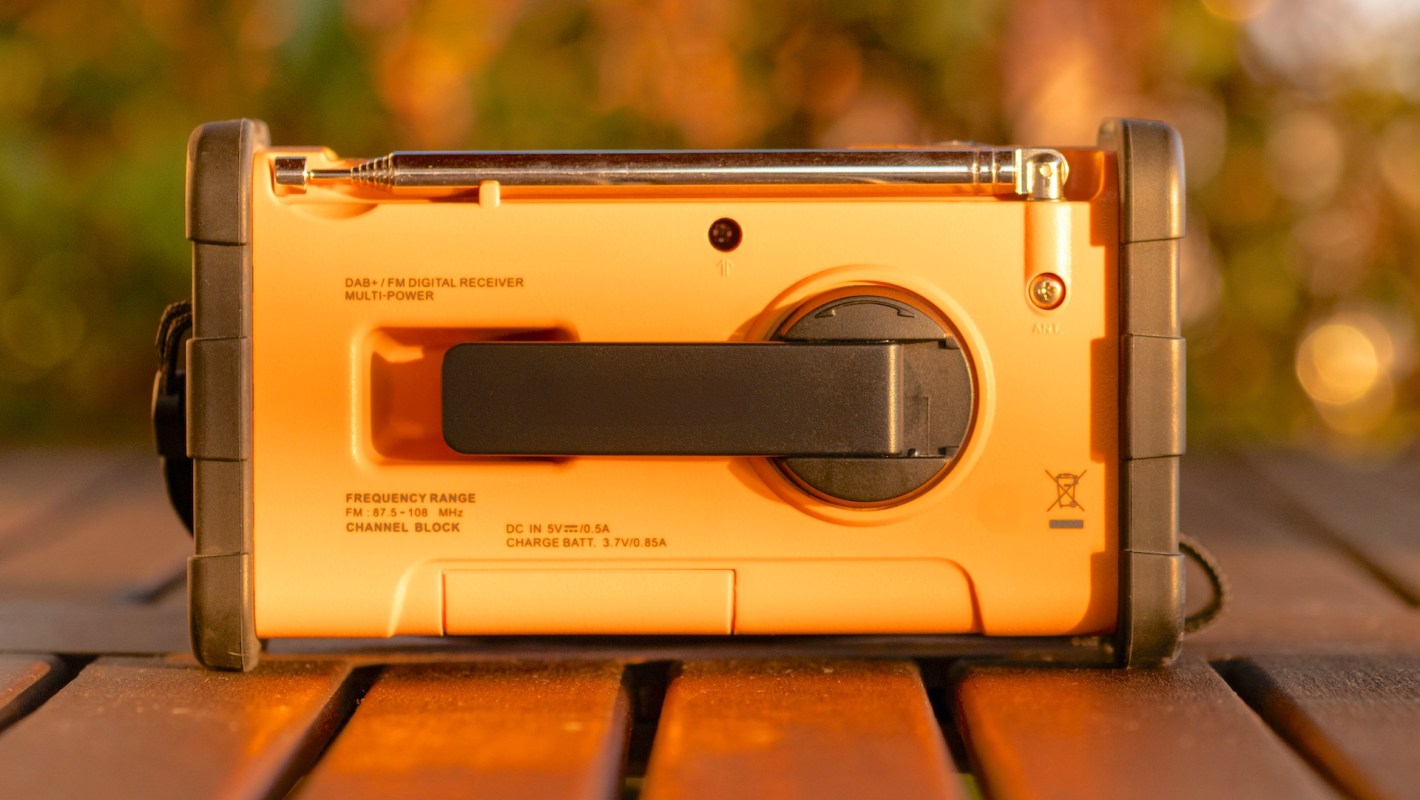
On the r/LifeProTips subreddit, a post about blackout preparedness set off a 160-plus comment debate over whether a hand-crank emergency radio is worth having when an outage lasts for days.
Another theme ran through the replies as well. For many preparedness-minded households, stored power seemed more useful than the radio itself.
Here's what to know
The poster framed a prolonged grid failure as an information problem in the Reddit thread, writing that "the first thing to go is information" once the power has been out for days.
To fill that gap, they wrote, "A hand-crank emergency radio solves that," adding that "a minute or two of cranking gives you power [for] local news and emergency broadcasts" with "no outlet and no batteries needed."
Responses to the concept were mixed.
"In a true survival situation, it might help," one commenter wrote. "But in my experience, radio has been absolutely useless during telecommunications outages. 'Millions of people are without power. Anyways, here's the latest sports update.'"
TCD Picks » Quince Spotlight
💡These best-sellers from Quince deliver affordable, sustainable luxury for all




Others said the device makes more sense in some emergencies than others. One commenter noted that "for weather updates like hurricanes it's useful because they tell you where the storm is going and when it's over/safe in your area so you don't get people wandering out into the eye."
That suggests the value of a radio depends heavily on the kind of outage and what local stations are broadcasting.
More background
Once the conversation moved beyond the device itself, the thread became a wider discussion about how to build a household backup plan.
In that broader view, many commenters treated the hand-crank radio as one inexpensive addition rather than a complete answer, alongside charged battery packs, fuel, and ways to keep food from spoiling.
One commenter said their family had been relying on "a USB charged, battery-powered radio" that they keep topped up with "assorted portable batteries."
That focus on stored power kept returning because a power bank can run several devices, not just a radio, including the phone many people would prefer to keep alive.
Another commenter joked that if they had already exhausted "my 40 remaining AA batteries and then my 20+ AAA batteries from Amazon for my battery operated radio," they would have "larger problems."
What can be done?
Taken together, the comments outlined a layered, practical approach. At the most basic level, that still could include the original poster's advice to keep a hand-crank emergency radio at home so at least one device can work without wall power or a stockpile of batteries.
Other commenters would prioritize stored power instead, including one who wrote, "I just have a portable battery and a solar panel."
Cars came up repeatedly, too.
"Keep gas in your car," a commenter wrote. "Then you can charge your phone or whatever other device you like."
Another Redditor pointed out that cars already include radios, which made the OP's tip "antiquated" in their eyes. Seen that way, a full gas tank or charged car is part of an outage plan, not just a transportation expense.
For bigger disruptions, commenters also mentioned stepping up further by getting "a two-way radio" and an amateur radio license to communicate beyond simply listening to broadcasts.
Where can I learn more?
The debate in the comments points to a bigger question of what backup power is actually most useful when the grid goes down.
• One homeowner found an electric vehicle was the perfect solution when outages made generators impractical.
• A next-generation portable battery showed startling outage capabilities while staying charged with solar.
• Anker's portable power station powered an entire room during a real outage test.

Get TCD's free newsletters for easy tips, smart advice, and a chance to earn $5,000 toward home upgrades. To see more stories like this one, change your Google preferences here.






