



A routine day in the yard turned into a cleanup concern when a homeowner posted a photo of a hammerhead worm they found outside.
What happened?
"Found a Hammerhead worm today," the original poster wrote alongside a picture of the animal they found in the yard.
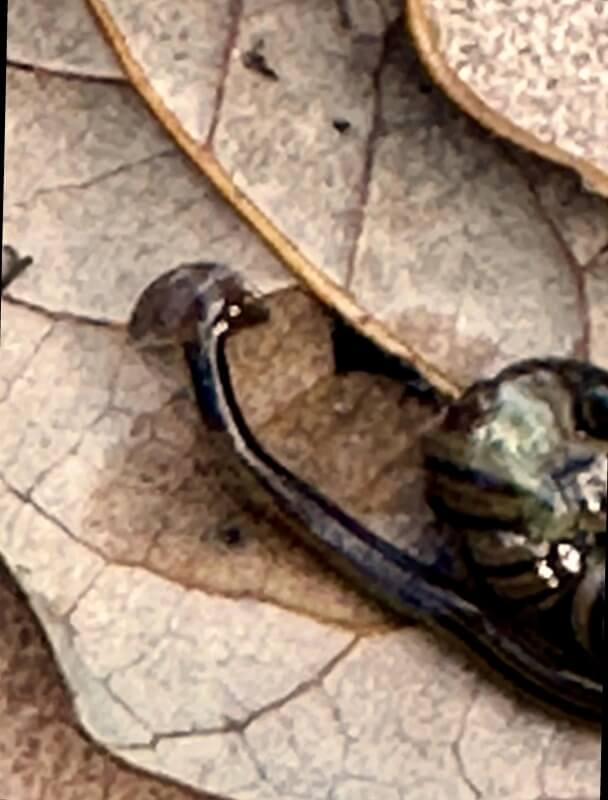
The worm in the picture has a half circle for a head and is long and slimy.
"That is a bizarre-looking worm, do we have [them] here in the US? I live in the Northeastern US and have several gardens, I've never run across one of these critters before," one person wrote in the comments.
Unfortunately, hammerhead worm sightings have become common across the United States — primarily the southeastern and eastern United States and increasingly across the Midwest and Pacific Coast. Warmer average monthly temperatures in most areas are thought to help them survive longer and spread, as they require high humidity to thrive.
Why are hammerhead worms concerning?
These worms can have a negative effect on the soil in a yard or garden. They hunt earthworms, which help keep soil healthy by aerating it and breaking down organic material. Losing earthworms can throw gardens, yards, and local ecosystems out of balance.
TCD Picks » Quince Spotlight
💡These best-sellers from Quince deliver affordable, sustainable luxury for all




Hammerhead worms also secrete tetrodotoxin, which can harm you if you touch them with bare hands. You should also not try to kill one by cutting it into pieces. Because the worms can regrow from fragments, slicing one apart may increase the problem rather than end it.
For one commenter, the post brought back memories of seeing a similar worm decades ago. This situation is a reminder that some species can become common in plain sight before people know what they are dealing with or how to respond.
What can I do?
Spotting hammerhead worms early and handling them correctly can limit further damage to nearby ecosystems.
If you find a hammerhead worm, resist the urge to chop it up. Commenters suggested some alternative solutions.
"Man I used to find them almost daily. We had a salt shaker by the front door. Lol. My wife would hear me yelling 'get the salt' while she was inside," one person said.
"Submerging in vinegar or rubbing alcohol works great too," wrote another person.

Get TCD's free newsletters for easy tips, smart advice, and a chance to earn $5,000 toward home upgrades. To see more stories like this one, change your Google preferences here.






