


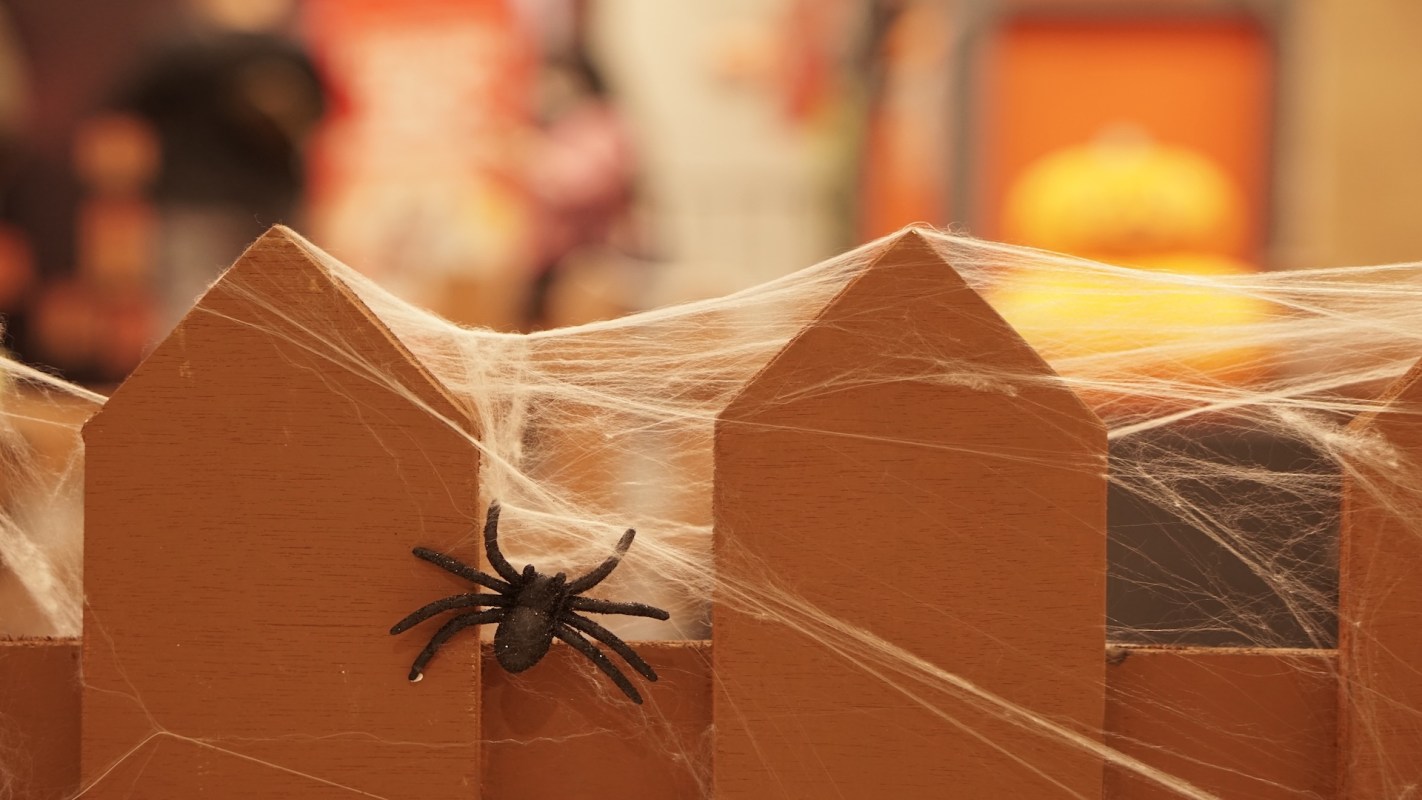
Festive faux spiderwebs can create a spooky look on shrubs and railings, but ZeroWasteStore
(@zerowastestore) says the stretchy material can ensnare birds, bats, and insects — a downside that may give Halloween decorators pause.
Here's what to know
The Instagram post cautioned viewers that one widely used outdoor Halloween decoration can injure wildlife.
"Wildlife like birds, insects, and bats can get caught in them, leaving them vulnerable to predators and causing them to starve," they said.
For people who still want webs outside, the post pointed to oversized fabric-style versions as an alternative way to get the look.
"Thank you for sharing. There needs to be warnings on the packaging. So many people aren't thinking about wildlife when putting up these decorations!" one commenter wrote.
TCD Picks » Quince Spotlight
💡These best-sellers from Quince deliver affordable, sustainable luxury for all




Another added, "I did it one year and never again. A bunch of lady bugs got stuck and I could not get them out."
More background
Fake cobweb décor is a staple of outdoor Halloween displays. Because it is so common, decorators may not realize it can pose a danger to wildlife.
Small choices, from which decorations go outside to what ground cover replaces turf, can have an outsized effect on birds, pollinators, and other beneficial creatures moving through residential neighborhoods.
Homeowners who want to make their outdoor spaces more wildlife-friendly year-round can rewild their yard or upgrade to a natural lawn with options such as native plants, clover, buffalo grass, and xeriscaping.
Even a partial lawn replacement can save money and time on maintenance, lower water bills, and reduce the mowing and watering a conventional lawn demands.
What can be done?
For Halloween, leave the stretchy synthetic webbing out of outdoor displays.
If an outdoor spiderweb effect is still the goal, the suggested swap was a larger fabric-style web.
The creator said standard fake webbing is better saved for indoor decorating over paintings, cabinets, or other places inside the home.
"So if you still want to decorate with spiderwebs outside, you can use larger ones like these. Or you can still decorate using the fake webbing, but make it indoors and put them over paintings, your cabinets, or anywhere in your house," they said.
Where can I learn more?
These stories take a closer look at how fake spider webs and other common outdoor materials can affect wildlife. They also cover wider concerns around synthetic yard products.
• Experts are warning that fake spider-web Halloween decorations have trapped birds for years.
• A local resident is calling horrid Halloween decor dangerous after wildlife got tangled.
• A distressed orb weaver drew fears of pesticide damage after its web turned bizarre.
• In Georgia, invasive Joro spiders are building webs in loud, crowded places.
• Homeowners are learning synthetic turf lawns can bring plastic waste and maintenance headaches.

Get TCD's free newsletters for easy tips, smart advice, and a chance to earn $5,000 toward home upgrades. To see more stories like this one, change your Google preferences here.






