


Growing carrots at home can feel like a gamble: You either end up with crisp, straight roots or a bare patch where nothing comes up at all.
According to gardening expert Luke Marion of the gardening channel MIgardener, the deciding factor is often how the soil is handled during germination, and making sure it does not dry out too quickly.
What's happening?
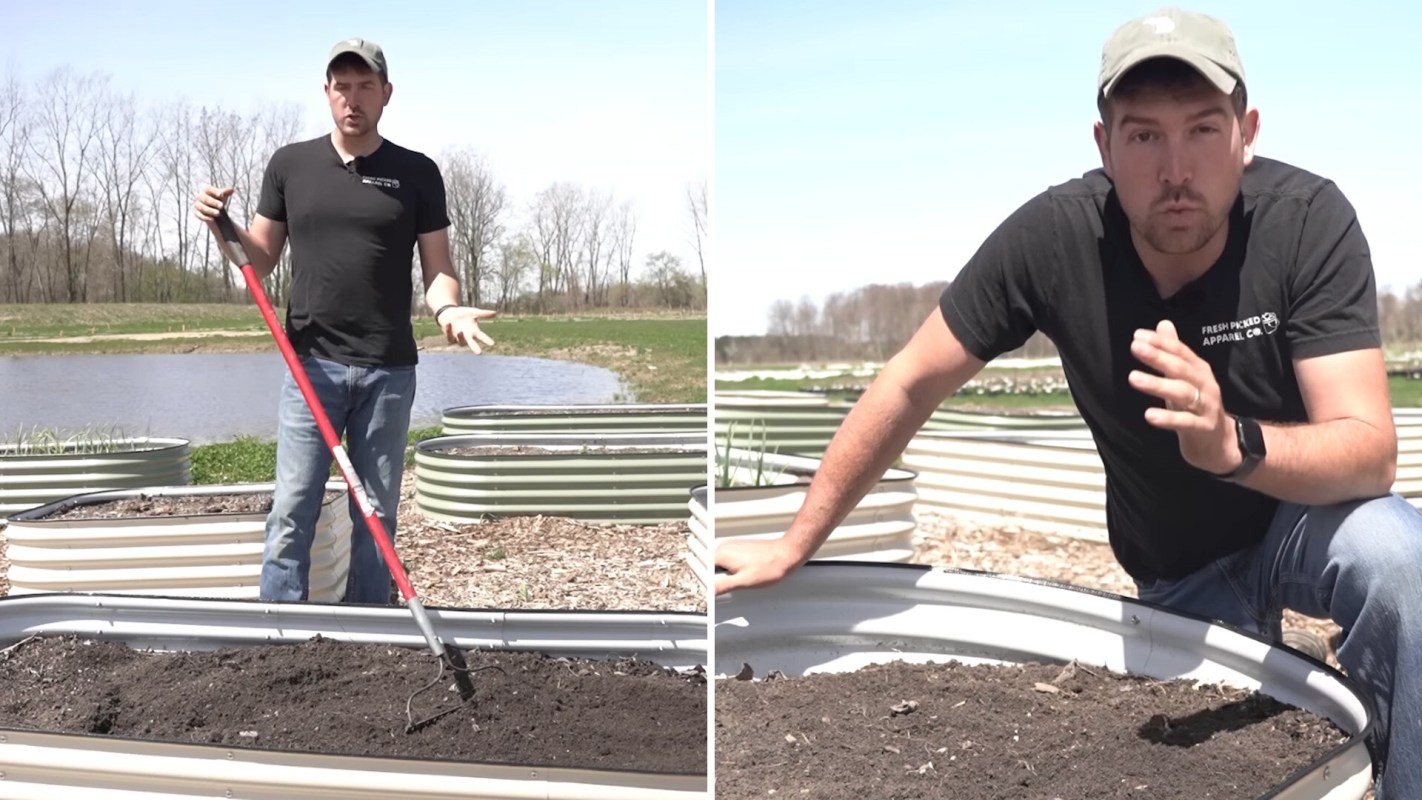
On May 14, Marion posted a YouTube video on MIgardener explaining how he grows straight, market-grade carrots in a raised bed and manages the process from preparing the soil through later thinning.
Marion's approach addresses a familiar frustration for home growers. Since carrot seeds are small, slow to sprout, and easy to lose if the surface dries out, cultivating them can be challenging.
He says the soil in a raised bed should also be loosened deeply and cleared of stones or other obstructions that can leave roots forked or misshapen, adding, "one of your largest nemeses when growing carrots is going to be soil debris, whether that is rocks or whether that is old plant material."
Marion also pointed to seed placement as a key factor in root shape. Pelleted seed can simplify sowing, and keeping the seeds evenly spaced can help carrots grow straighter; once planted, the focus shifts to maintaining moisture at the soil surface until emergence.
TCD Picks » Quince Spotlight
💡These best-sellers from Quince deliver affordable, sustainable luxury for all




To improve those odds, he suggests laying a covering (like cardboard) over the planted row so the top layer stays moist, giving the seeds a better chance to germinate instead of failing before any growth is visible.
Why does it matter?
Anyone hoping to cut grocery costs can benefit from getting carrots right. They are versatile, relatively compact, and useful in everything from soups to salads to snacks. A successful bed can produce a substantial amount of food in a small space, making it a strong option for anyone looking to grow their own food.
Homegrown carrots are often sweeter and fresher than store-bought varieties, especially when harvested young or eaten soon after being pulled from the ground.
Gardening can also support both physical and mental health. Tending a garden bed provides light exercise, time outdoors, and a hands-on routine that many people find calming. When simple growing strategies help beginners avoid common setbacks, the hobby becomes more approachable and much less discouraging.

Get TCD's free newsletters for easy tips, smart advice, and a chance to earn $5,000 toward home upgrades. To see more stories like this one, change your Google preferences here.






