


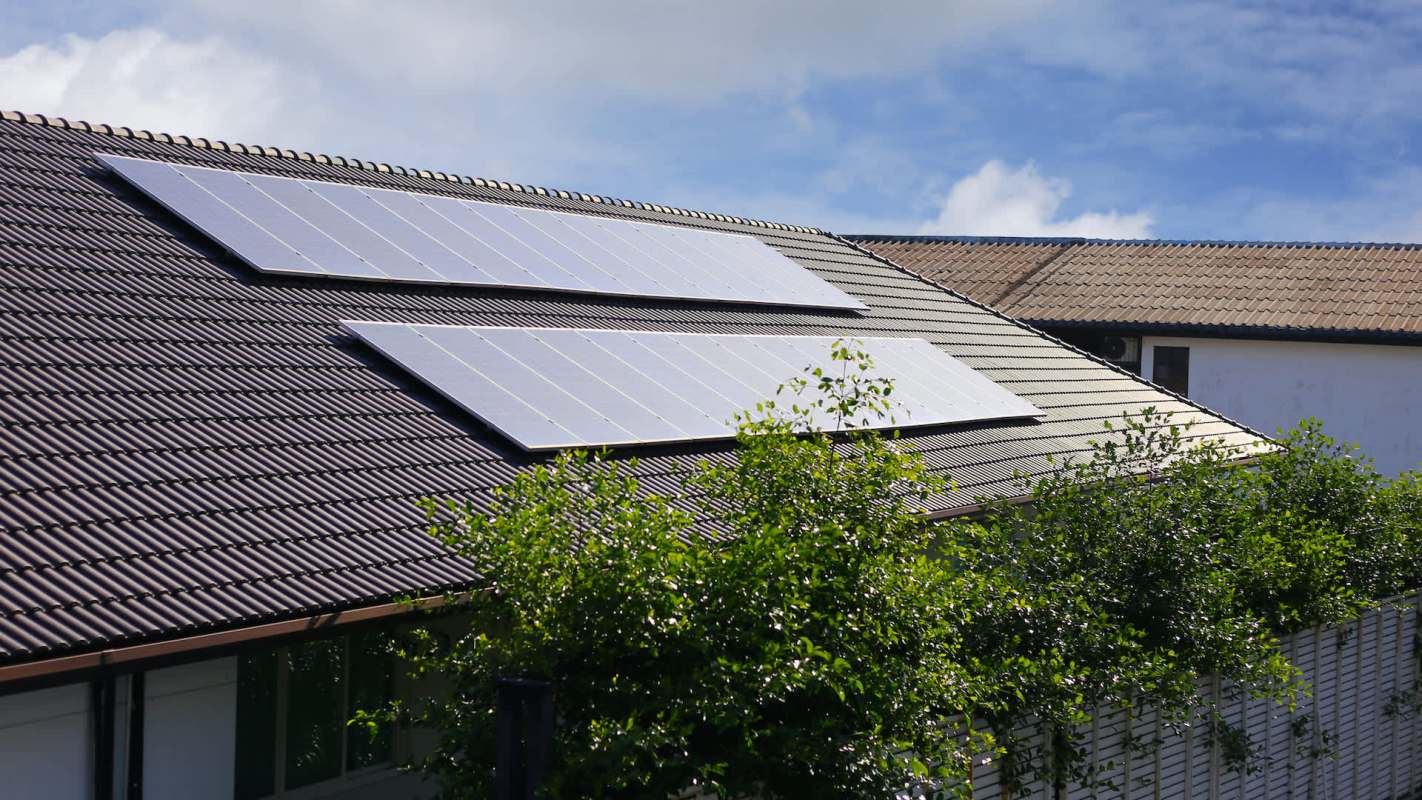
Low electricity demand and a daytime schedule away from home complicated one Greek homeowner's hopes of using their sunny apartment to cut power bills.
The homeowner asked an online community to help assess the financial case for solar, an option they initially viewed as "free money."
Here's what to know
The homeowner sought advice in Reddit's r/SolarDIY community on choosing a suitable solar setup and deciding whether a small installation would be worth the investment. Sunlight reaches the apartment until 5 p.m., they said. Its southeast-to-south orientation and lack of obstructions allow it to receive sun throughout the year.
The household's limited electricity use raised doubts about the potential savings despite the property's seemingly favorable location near the 38th parallel.
"Should I install solar, and if yes in what form?" the homeowner asked.
For households considering residential solar, and especially those whose electric company has a net metering or billing policy that allows the home to bank credit for unused solar power during the day, electricity savings can be substantial. Even for those who aren't ready to spend upfront, $0-down solar leases may save hundreds of dollars per month. EasyHome offers a free explorer tool to estimate potential savings and find vetted local installers.
More background
Commenters calculated the homeowner's electricity rate at $0.29 per kilowatt-hour, a starting point for estimating the value of solar power used at home. Since the homeowner did not expect the household to use much of the solar power produced during the day, a more complete projection of the outcome from installing solar was especially important.
Oddly, only one commenter mentioned net billing, which is what Greece has for most residential solar users instead of net metering, and they linked to an informational page from Fotergeia about how it works. There is plenty of nuance, but as Fotergeia says, "Whatever you do not consume at the moment it is produced is not lost: it is exported to the grid and credited to your bill in monetary value."
Crushed by your bills? See instant solar savings from vetted installers in just a few clicks With energy prices through the roof, there's never been a better time to go solar — and EasyHome can help you find the best prices from the best installers in your area. EasyHome takes the guesswork and headaches out of energy upgrades by showing you estimated savings from a network of vetted local partners. To get started, just enter your ZIP and share a few details about your home — seeing your estimate is really that easy. |

The homeowner said they had not reviewed it, adding, "if I understand correctly net billing pays wholesale price by 15 minute average, which can be pretty low. I will check it out."
Even if the country's net billing policies are not quite a 1:1 value as some net metering systems provide, if the solar panel system is sized right, it could easily produce so much power that it would nonetheles pay for itself in a matter of 7-10 years, as is the typical average with residential rooftop solar.
"A correctly sized system can cover most of your annual consumption, cutting your electricity bill to a fraction of what it is today," Fotergeia's page says of the Greek system.
In any case, the potential savings from solar depend on both the cost of electricity and how much purchased power the panels could replace.
Commenters also recommended using daytime electricity consumption to determine the size of a small solar array. They proposed storing daytime solar output in a battery for later use, which is valuable for any home user and even more so for those without any form of net metering or net billing who also would not use much power during daylight hours.
For those interested in solar facing similar considerations, EasyHome offers options for exploring battery storage alongside solar. Pairing panels with a battery system can help manage electricity costs by saving production for later use and provide backup power during outages.
Where can I learn more?
Other homeowners are also weighing how much solar could save them and whether to add a battery.
• A homeowner considered whether a portable power station could store surplus midday solar electricity.
• In the U.K., solar users say falling electricity export rates make batteries increasingly important.
• In the U.K., free solar lowered bills, while commenters recommended a bigger storage battery.

Get TCD's free newsletters for easy tips, smart advice, and a chance to earn $5,000 toward home upgrades. To see more stories like this one, change your Google preferences here.






