


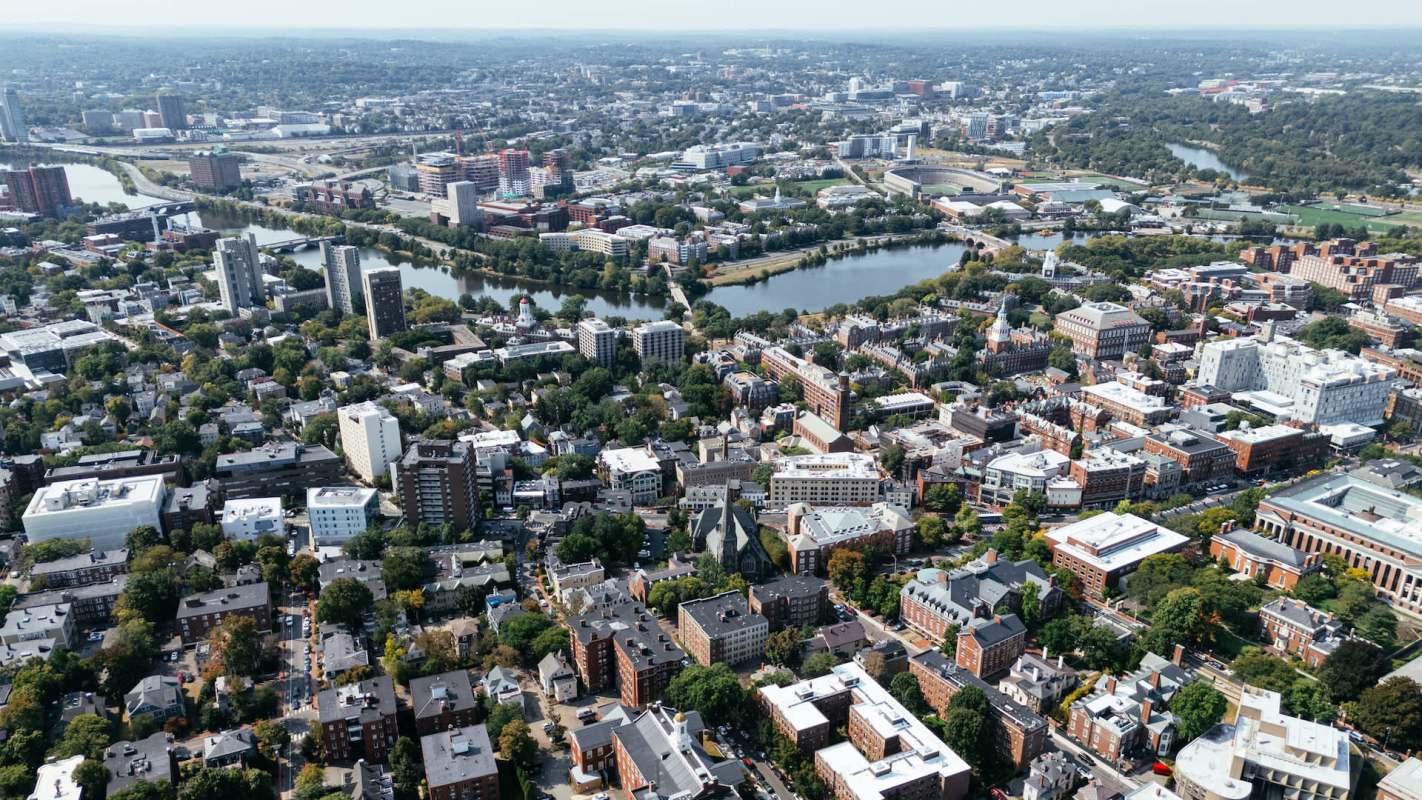
The Greater Boston Housing Report Card puts the annual household income needed to buy a home in the region's lower-priced towns at about $180,000, underscoring how difficult even those communities have become to afford.
Here's what to know
Ten years ago, 42 Greater Boston towns had median single-family home sale prices below $500,000 in inflation-adjusted terms. That number has fallen to six out of the region's 147 municipalities, the Greater Boston Housing Report Card found, according to CommonWealth Beacon.
Cambridge, Wellesley, Weston, and Brookline recorded median single-family home prices above $2 million in fall 2026. They were among 32 municipalities where the median exceeded $1 million, according to the report from the Boston Foundation and Harvard's Joint Center for Housing Studies.
The report classifies almost half of Greater Boston renters as cost-burdened because housing takes up at least 30% of their household income.
Greater Boston issued housing permits for 7,746 units in 2025, down from annual totals of roughly 12,000 to 15,000 between 2015 and 2021. That decline in permits accompanies a slowdown in home price and rent increases.
More background
The findings follow voters' narrow rejection of Question 7, which would have barred municipalities from requiring lots larger than 5,000 square feet for single-family homes served by public water and sewer. Boston would have been excluded.
TCD Picks » Quince Spotlight
💡These best-sellers from Quince deliver affordable, sustainable luxury for all




The measure lost by 1.2 percentage points, leaving inconsistent local lot size requirements in place. Its defeat also ended a proposal projected to create about 780 homes annually, according to the Tufts Center for State Policy Analysis.
The Massachusetts Municipal Association opposed the measure, arguing that reducing lot size "does not compel developers to build 'starter' homes, as evidenced by the abundance of homes on small lots selling for $1 million or more," per CommonWealth Beacon.
The report noted that housing costs were already driving middle-class workers ages 25 to 34 out of Massachusetts.
What's being done?
Gov. Maura Healey's administration estimates that Massachusetts needs 222,000 additional homes between 2025 and 2035, per CommonWealth Beacon. The state added 34,561 units in 2025, though housing officials attributed part of that total to a pandemic-era construction backlog.
Healey said existing efforts include allowing accessory dwelling units by right, reforming zoning, speeding up permitting, and converting unused state land, offices, and commercial buildings into housing.
The state housing office counts about 10,000 homes in the pipeline through MBTA Communities zoning districts, alongside about 2,000 new accessory dwelling units.
Further changes remain under negotiation at the State House. The House's economic development proposal would incentivize multifamily housing on religious organizations' land, while the Senate's would allow duplexes wherever single-family homes can be built.
A final agreement could emerge before the legislative session ends in January, potentially creating more opportunities to add homes within existing communities.
Luc Schuster, who leads Boston Indicators, the Boston Foundation's research arm, told CommonWealth Beacon, "How productive this session will end up being depends on how the economic development bill ends up being written."
Where can I learn more?
Greater Boston's housing crunch shows up in both homebuyers' budgets and the cost of building new homes.
• Near Boston, a nurse and teacher say a $500,000 mortgage still won't buy a house.
• Greater Boston builders say affordable unit rules stall housing, but Boston won't change its requirements.
• Boston could cover developers' infrastructure costs to help revive stalled housing projects.
• Massachusetts is investing $330 million in 403 local projects, aiming to support 27,000 new homes.
• Massachusetts is 15.6% toward its 222,000-home goal as its housing chief backs site review reform.

Get TCD's free newsletters for easy tips, smart advice, and a chance to earn $5,000 toward home upgrades. To see more stories like this one, change your Google preferences here.






