


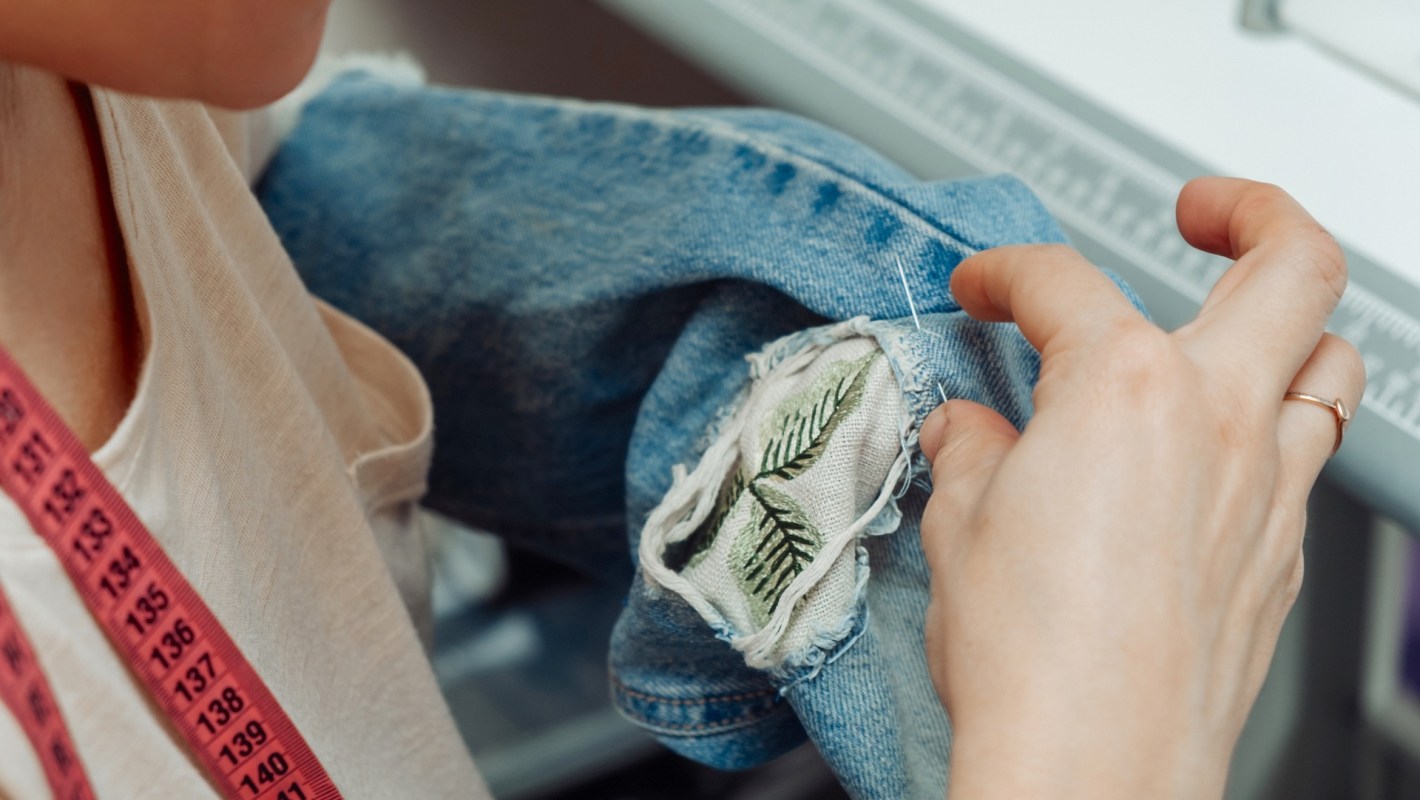
Mending could keep some garments out of the donation pile, and Goodwill is helping people learn how to do it.
Here's what to know
Goodwill's Ohio Valley operation handles about 43 million pounds of textiles annually, according to WVXU, but it can only put about half of its donated clothing up for sale in its stores. Staff checks every garment for holes and stains as they decide how to use it and what tag it needs.
Sherwood MacVeigh, Goodwill's vice president of marketing, said the fashion industry does not have enough capacity to recycle discarded textiles into new clothes. Goodwill sends the clothing it cannot sell to recycling partners, which turn materials such as worn cotton shirts into insulation, WVXU reported.
MacVeigh said most discarded garments go to landfills or to poorer countries to be dumped or burned, even as clothing production gets faster and cheaper.
"When we think of textiles and these materials, we have to start figuring out what to do with them next," MacVeigh said.
More background
Cincinnati residents can learn to repair damaged items rather than discard them at events hosted by craft guilds, libraries, and neighborhood arts centers, according to WVXU. Goodwill's workshops reflect that wider interest in mending.
TCD Picks » Quince Spotlight
💡These best-sellers from Quince deliver affordable, sustainable luxury for all




Natalie Reed, coordinator of Miami University's fashion program, said Gen Z is helping drive the craft's resurgence. Younger people are taking sustainability into account by shopping secondhand, transforming old fabric into something new, and repairing garments they already own.
Beyond extending the life of clothing, making something by hand offers a break from screens, Reed noted. With sewing less widely taught in schools, she has also heard of more people learning through online tutorials, individual instruction, and workshops, according to WVXU.
What's being done?
The Crunchy Leaves Sustainability Collaborative organizes a monthly mending meetup at a bar in Cincinnati's Northside neighborhood. Participants practice stitching on pockets that co-leader Ally Algiers cuts from old jeans. She brings supplies including embroidery floss, scissors, and tweezers.
Algiers estimated that she had taught 20 participants over a year. Techniques include darning, which uses fine thread to make a patched hole blend into the garment, and sashiko, which makes repairs visible with decorative stitching.
For participant Wryan Wayne, the meetup has become a regular chance to build on her basic sewing knowledge. After her first session, she returned almost every month, according to WVXU.
Wayne estimated she had repaired about 20 items, including dish towels and sweaters. "It's also cool to be with people who don't look at me like I'm crazy when I'm fixing the same junky shirt for the fourth time," Wayne said.

Get TCD's free newsletters for easy tips, smart advice, and a chance to earn $5,000 toward home upgrades. To see more stories like this one, change your Google preferences here.






