


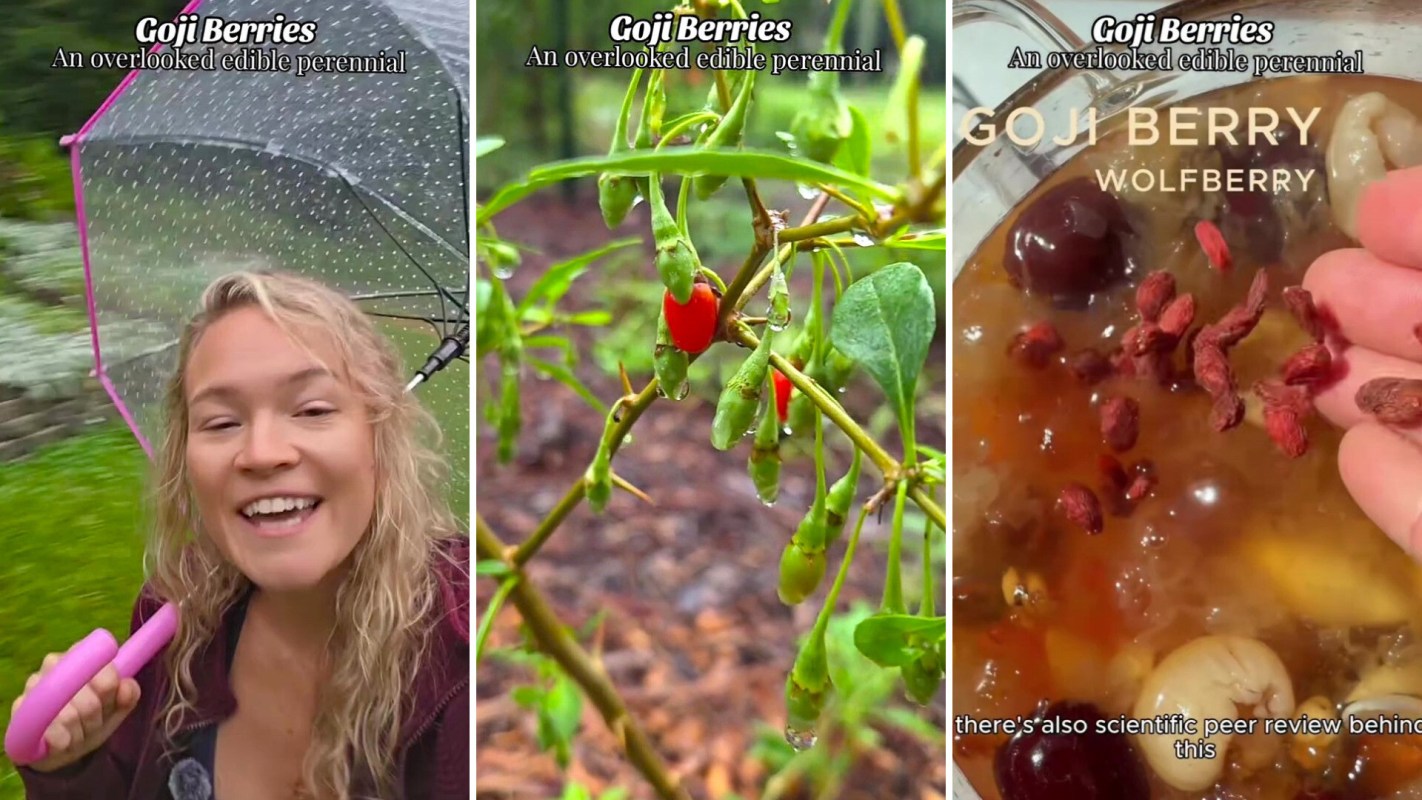
Goji berries are hardy shrubs that can handle clay soil, and one creator on TikTok says they deserve more space in gardens.
Here's what to know
A content creator who posts as Hygge Haven (@hygge.haven) on TikTok drew attention to goji berries, also known as wolfberries, as a perennial edible that many gardeners may be overlooking.
According to the creator, the shrub was already loaded with fruit during its first season after going into the ground.
"This is the first year that I planted it," the creator said. "I planted it this spring, and it's got so much fruit already on it."
In the creator's description, the plant handles challenging conditions well. It is "relatively low maintenance," grows in clay, and becomes "relatively drought tolerant once they're established."
Perennial food plants can continue producing year after year, reducing the need for constant replanting while helping households harvest more food at home.
TCD Picks » Quince Spotlight
💡These best-sellers from Quince deliver affordable, sustainable luxury for all




More background
Interest in edible landscaping has been growing as more people look for ways to lower grocery bills and get more from their yards.
Fruit-bearing perennials can be especially appealing because they combine ornamental value with repeat harvests.
Growing food at home can also mean better flavor than store-bought produce since fruit can be picked fully ripe instead of being shipped long distances.
For many people, gardening also offers physical activity and stress relief, bringing mental and physical health benefits alongside the harvest itself.
Goji berries may be less familiar to many U.S. gardeners than blueberries or raspberries.
The creator also said the taste was unexpected.
"It tastes like a pepper and a tomato," the creator said. "Sweet at the beginning, but a little bit of heat on the back end."
What can be done?
If you're interested in growing your own food, goji berries may be worth considering as part of a mix of productive plants.
A useful approach Hygge Haven suggested is to choose plants based on the role they need to fill. That might mean looking for plants that are easy to harvest or have drought tolerance
Because goji can spread and enlarge over time, gardeners thinking about adding it should account for both its mature size and its tendency to sucker. A site with enough space can make it easier to manage suckers and keep the plant from crowding neighboring plants.
"I don't want you to think what will look just pretty in that area, but instead I want you to think about what plants will give back to you," the creator said. "Or what specific job or role is this plant going to do in your food forest."
Where can I learn more?
Goji berries are just one of many ways that gardeners are getting more from edible landscapes.
• A food forest built around fruit trees and herbs shows perennials carrying the harvest.
• Foragers found an unexpectedly delicious solution in autumn olive berries crowding out native plants.
• In Indiana, a forager learned mystery berries are edible mulberries and worth harvesting.

Get TCD's free newsletters for easy tips, smart advice, and a chance to earn $5,000 toward home upgrades. To see more stories like this one, change your Google preferences here.






