


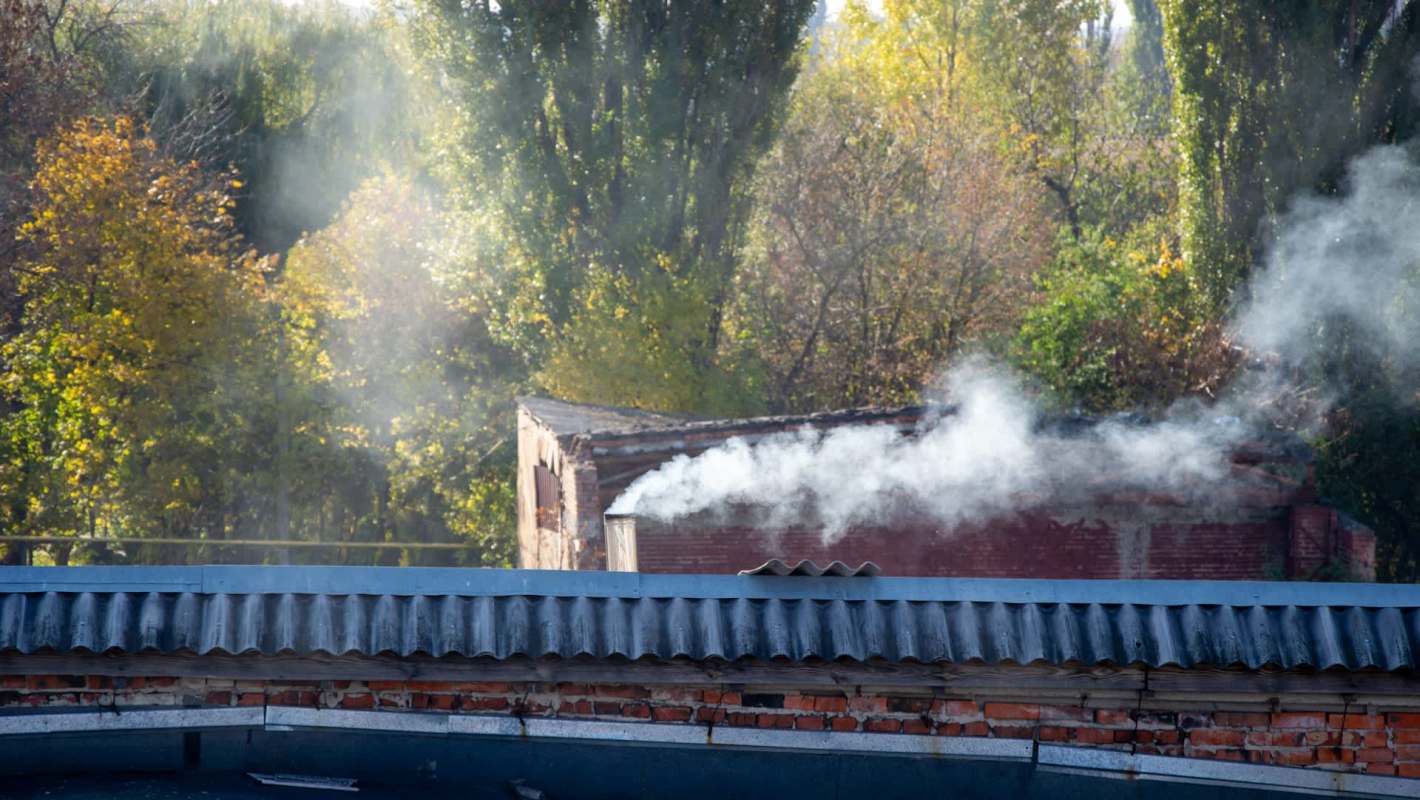
Smoke near the roof of a Glen Carbon, Illinois, home caught a neighbor's attention, and that quick warning may have kept the situation from turning into a much larger emergency.
When firefighters investigated, they did not find a blaze. Instead, they traced the smoke to a faulty water heater vent — a reminder that even routine household appliances can become costly hazards when something goes wrong.
What happened?
According to The Intelligencer, crews were called at about 8:20 a.m. on July 10 to a home in Dogwood Estates.
The homeowner called 911 after a neighbor noticed smoke near the roof and sounded the alarm. Firefighters from Glen Carbon and Maryville responded, while a Troy Fire Protection District ambulance provided station coverage.
Glen Carbon Fire Protection District Chief Jason Whitaker said there was no fire and no damage. He said the smoke was coming from a malfunctioning water heater vent.
Why does it matter?
Water heaters are easy to overlook because they often sit out of sight and run quietly in the background. But when a vent or heating component malfunctions, homeowners can end up dealing with smoke, wasted energy, expensive repairs, or dangerous indoor air problems.
TCD Picks » Quince Spotlight
💡These best-sellers from Quince deliver affordable, sustainable luxury for all




A faulty vent can also be a sign that an appliance is not operating efficiently, especially since water heating is one of the biggest energy expenses in many homes.
The Glen Carbon incident ended without damage, but a relatively small mechanical issue still prompted an emergency response.
What can I do?
Treat a water heater like any other major system that needs occasional attention. If you notice smoke, scorching, soot, unusual odors, or moisture around the unit or vent, shut it down if it is safe to do so and call for help right away.
Regular maintenance can also pay off. An inspection by a qualified technician can uncover venting issues, corrosion, or failing parts before they turn into emergencies, and addressing those issues early can help avoid bigger repair bills later.
If a water heater is older or repeatedly malfunctioning, replacement may make more sense than repeated repairs. A heat pump water heater, for example, can dramatically cut energy use compared with a standard electric model.
Even without replacing a unit immediately, homeowners can still make a difference by keeping the area around the heater clear, scheduling routine service, and paying attention to unusual changes.

Get TCD's free newsletters for easy tips, smart advice, and a chance to earn $5,000 toward home upgrades. To see more stories like this one, change your Google preferences here.






