


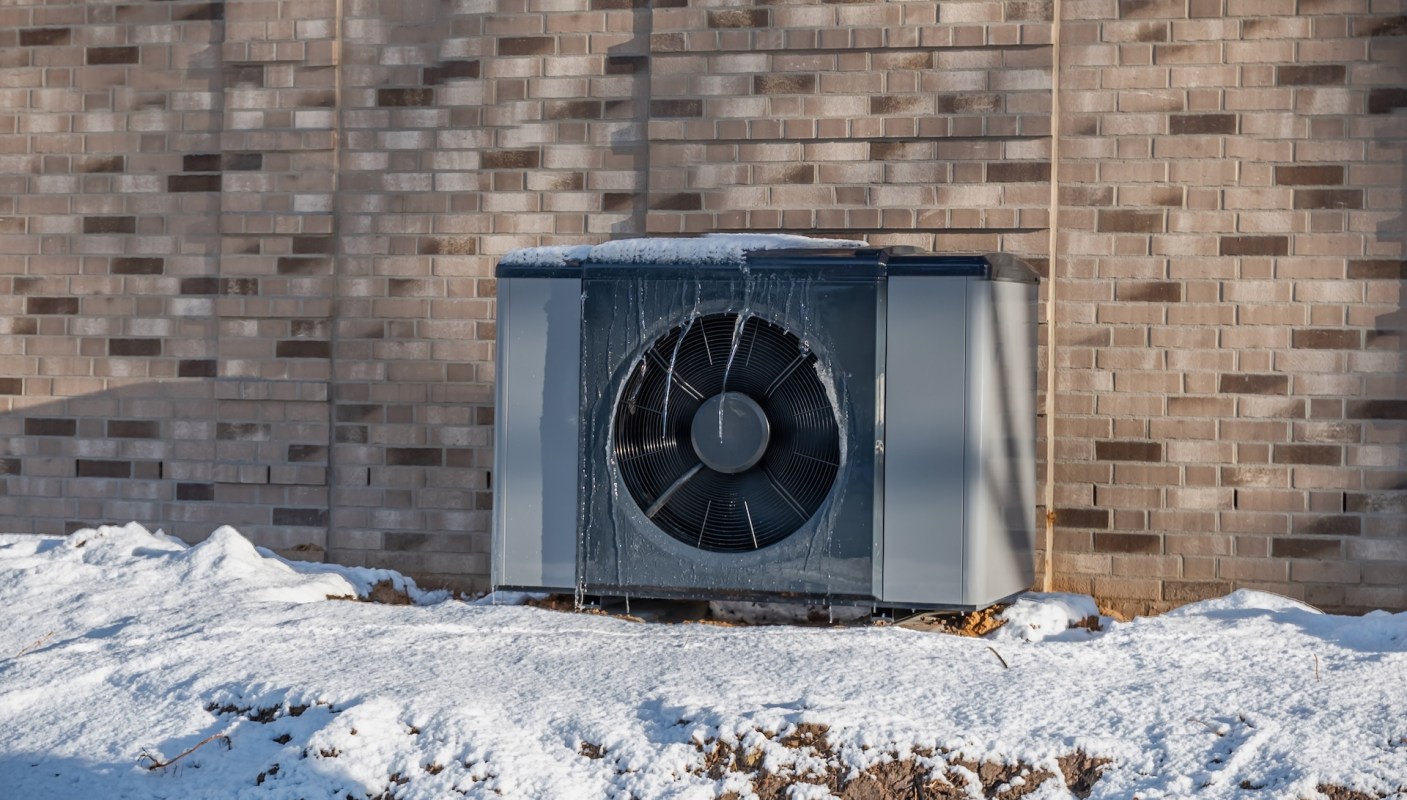
A homeowner in the Northeast United States is trying to figure out how to keep a 16-kilowatt Generac Guardian ready for winter outages without having to shovel out the standby unit after each big snowfall.
Here's what to know
In a Reddit thread, the poster said their standby generator is about 7 years old and sits in an area where one storm can dump 12-24 inches of snow. After what they described as "any significant snow event," they said they must "dig out around it so the intakes and vents are all clear."
They explained that clearing the area has become harder with age, and that they are trying to make the job "less time critical" because outages are most likely during winter storms. To do that, they floated the idea of setting wooden A-frame shrub guards over the generator in winter so the slatted cover might interrupt snowfall enough to prevent blocked airflow.
Safety issues came up quickly in the replies. One commenter wrote: "Nothing combustible with in 18" of the back. 36" inches from the other sides. Nothing combustible less than 60" from the top." That same person also suggested another option: "How about using standing seam roofing material and some strut to make A frames?"
More background
According to the OP, the generator is exposed to "straight" snowfall rather than snow shedding off the house. In other words, they are dealing with accumulation in an open area, not a roofline problem that could be handled with something like a gutter or snow guard.
The point of any workaround would be to keep the vents and intakes clear on a 16-kilowatt standby generator during storms that can also knock out power.
TCD Picks » Quince Spotlight
💡These best-sellers from Quince deliver affordable, sustainable luxury for all




Some commenters said a homemade cover might solve one issue while creating another. One wrote, "I'd be concerned about it becoming a wind tunnel and really packing snow deeper," and another offered a different idea entirely: "Can you get a small carport or something that would be for a lawnmower to cover it?"
What can be done?
The discussion centered on whether any winter cover could be used without violating the generator's required clearances.
To avoid putting wood near an operating unit, one commenter proposed building a similar A-frame shape from standing-seam metal roofing and strut.
After that suggestion, the poster said they intended to look at possible supplies during a trip to a home improvement store.
The homeowner appeared open to changing course after the metal idea was raised, responding: "That's a nifty idea (the metal)...I hadn't thought about that. I need to wander the home improvement store and see what I could put together."
Where can I learn more?
Here are a few related stories on winter equipment protection, generator airflow, and backup-power safety.
• In Vermont, one homeowner built a roof-like shelter to keep heavy snow off HVAC equipment.
• Generator owners are debating whether noise-cutting enclosure setups restrict airflow or threaten warranties.
• In South Carolina, officials warned that carbon monoxide from generators can turn deadly during winter outages.

Get TCD's free newsletters for easy tips, smart advice, and a chance to earn $5,000 toward home upgrades. To see more stories like this one, change your Google preferences here.






