


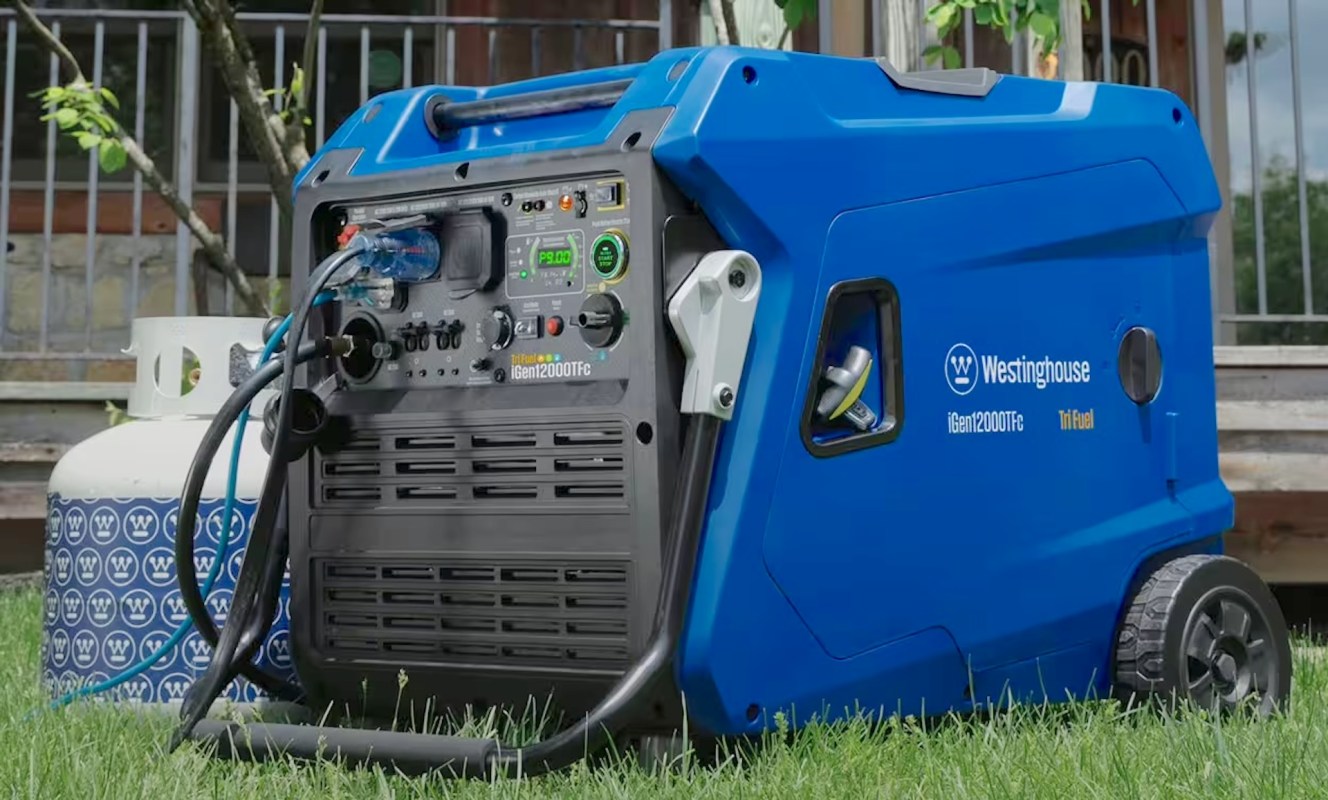
When it comes to a home's generator, bigger is not always better.
After one homeowner took to Reddit's r/Generator community for help and recommendations for their "3-4 bedroom house," most suggestions did not automatically point to the biggest machine available.
Here's what to know
In Reddit's r/Generator forum, the original poster wrote, "What's the best generator for home? Need some guidance… If you've been through an actual multi-day outage, what wattage/size ended up being the sweet spot for you? Trying to learn from real experience instead of just spec sheets before I pull the trigger."
Several commenters treated 10,000 to 12,000 running watts as the range where whole-house backup generally begins. They said that level is typically enough to run central air, a well pump, a fridge, and lights without requiring too much load juggling.
A lot of the advice also centered on loads, not square footage. Commenters said homeowners can get a clearer answer by listing the appliances and systems they want to keep on during an outage than by shopping based on house size alone.
Users also stressed that this is not a one-size-fits-all number. In milder climates, or in homes that do not rely on central AC, people said 7,500 to 9,000 watts can often cover the basics. And that smaller class can have real practical advantages, since it often lowers the purchase price and takes up less room in the garage.
TCD Picks » Quince Spotlight
💡These best-sellers from Quince deliver affordable, sustainable luxury for all




For a family planning around occasional outages, commenters said there may be little reason to power every circuit in the house if a smaller unit can reliably run refrigeration, lighting, internet, and a few comfort items.
More background
The thread also turned into a model-recommendation exchange, with some Redditors singling out the Westinghouse 12,000W Tri-Fuel as a strong all-around choice and the Kohler 20RESC as a leading option for whole-home standby backup. The OP later updated their post to state that they went with the former.
One point drew near-universal agreement: A safe hookup is nonnegotiable. Commenters urged the homeowner to plan for a transfer switch rather than depending on extension cords run through a window.
Where can I learn more?
These articles get at the same practical question Redditors were sorting out: how much backup power a home really needs, and whether a conventional generator still makes sense.
• After repeated outages, one parent found fridges, 2 ACs, and winter heaters quickly defined real backup needs.
• Homeowners weighing old equipment found next-gen models increasingly appealing when outages made fuel logistics harder.
• Families replacing gasoline units turned to safer upgrades that reduce fumes, noise, and maintenance demands.
These stories broaden the picture beyond wattage to include safety, fuel availability, and other backup options.

Get TCD's free newsletters for easy tips, smart advice, and a chance to earn $5,000 toward home upgrades. To see more stories like this one, change your Google preferences here.






