


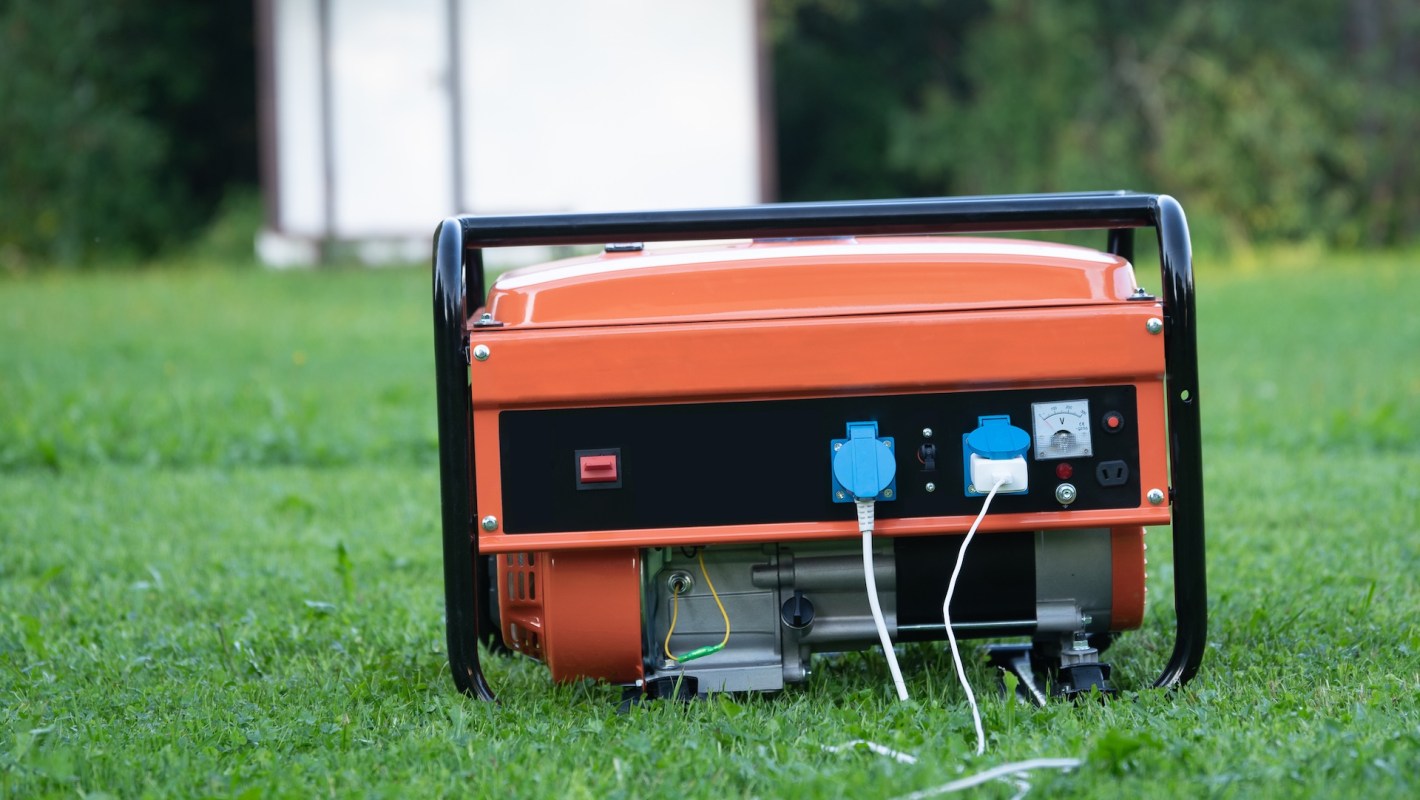
Summer storms in parts of New Jersey have done more than leave neighborhoods in the dark.
As more families and businesses turn to portable generators during outages, local officials are warning that a common shortcut can transform a power loss into a deadly situation.
What happened?
After severe weather knocked out electricity for some residents in Scotch Plains and Fanwood, the Scotch Plains Office of Emergency Management told households to review generator safety before the next set of thunderstorms arrives.
As TAPinto Scotch Plains/Fanwood reported, portable generators can be valuable during extended outages, but using them improperly can create risks including CO exposure, fires, electrocution, and other serious dangers.
Officials said the most dangerous hidden threat is carbon monoxide. Generators burn fuel, and that process creates a gas with no color or smell that can become deadly very quickly.
For that reason, generators should not be operated inside a home or in enclosed or partially enclosed spaces such as garages, basements, sheds, or similar areas, even if windows or doors are open.
TCD Picks » Quince Spotlight
💡These best-sellers from Quince deliver affordable, sustainable luxury for all




Instead, officials say the unit belongs outdoors in open air, at least 15 feet from buildings, with its exhaust aimed away from windows, doors, and vents.
They also warned residents not to use a regular wall outlet to connect a generator to the house, a hazardous practice known as backfeeding.
Why does it matter?
Generator-related accidents often happen after the storm has passed, when tired residents are focused on staying cool, saving groceries, and getting daily life back on track.
In those moments, a rushed setup can expose an entire household to toxic fumes or serious electrical hazards.
Taking time to think through safe placement, proper extension cords, and working CO alarms can be far less costly than replacing equipment or dealing with an emergency.
Backfeeding is especially dangerous because the harm can reach beyond the home using the generator. When electricity is sent onto utility lines, utility workers, neighbors, or family members can face serious injury or death.
What may look like a quick fix can create a life-threatening situation far beyond a single property.
What can I do?
Officials recommend making a plan before the next outage. That means reading the generator manual, deciding ahead of time where the machine will be placed and who will operate it, and ensuring it stays dry under an open canopy or tarp that still allows exhaust to escape.
Residents should also use outdoor-rated extension cords that are in good condition, keep cords out of walkways when possible, and avoid going beyond the generator's rated capacity.
If several appliances need power, staggering their use can reduce strain and help prevent damage. Children and pets should also be kept away from generators, which can become extremely hot during operation.
Carbon monoxide alarms are another crucial safeguard. Officials recommend battery-powered CO alarms throughout the home, including outside sleeping areas, and say they should be tested regularly.
When it is time to refuel, the generator should first be turned off and allowed to cool completely. If a CO alarm sounds, residents should get into fresh air immediately, contact emergency help from somewhere safe, and remain outside until responders say they can return.

Get TCD's free newsletters for easy tips, smart advice, and a chance to earn $5,000 toward home upgrades. To see more stories like this one, change your Google preferences here.






