


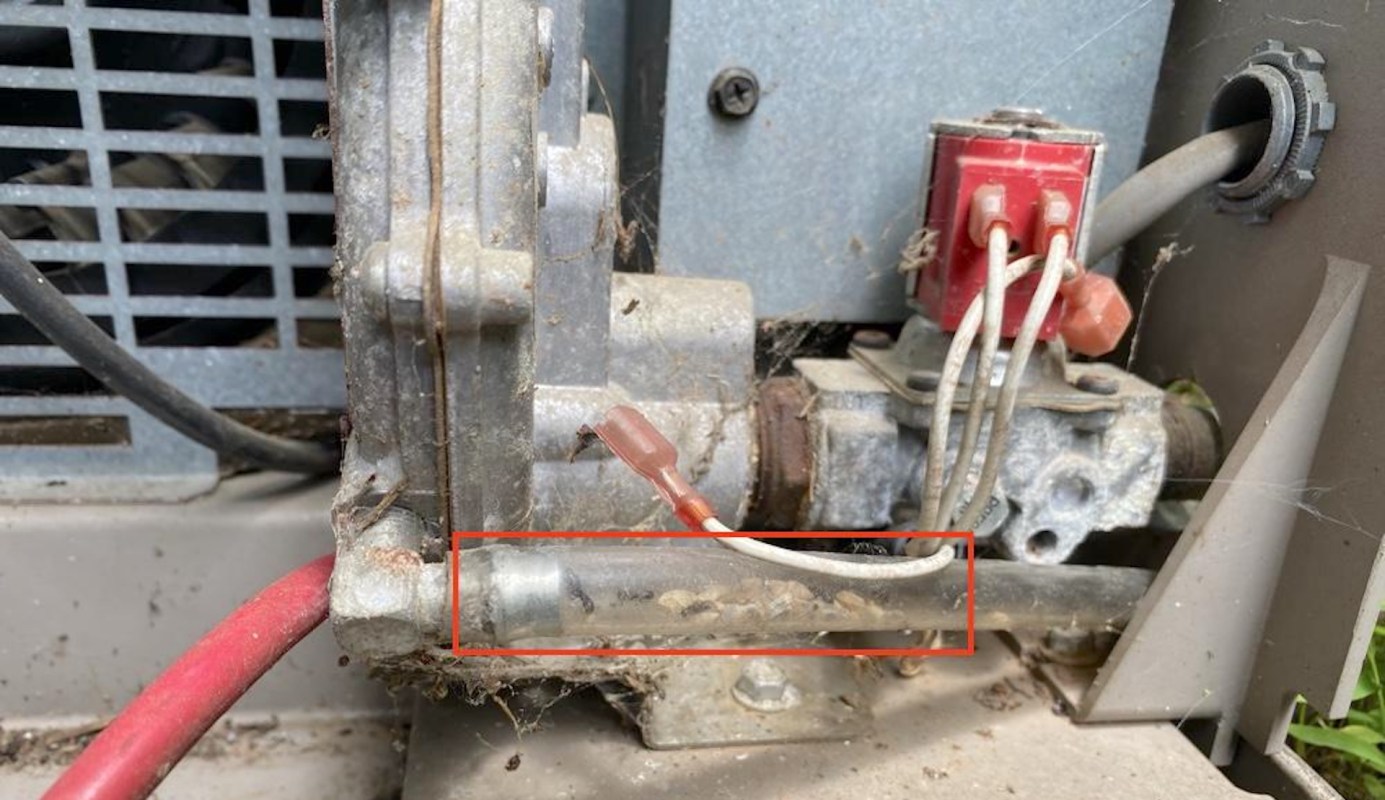
A homeowner has shared their story after discovering that ants had nested inside the fuel regulator of a propane standby generator, leaving the unit unable to start and creating a frustrating repair issue.
Here's what to know
The problem surfaced in a post to Reddit's r/Generator community. The original poster said ants had gotten into the regulator's air vents.
Despite fresh oil, spark plugs, an air filter, a battery, and a checked solenoid, the generator would only run after someone sprayed carburetor cleaner into the intake.
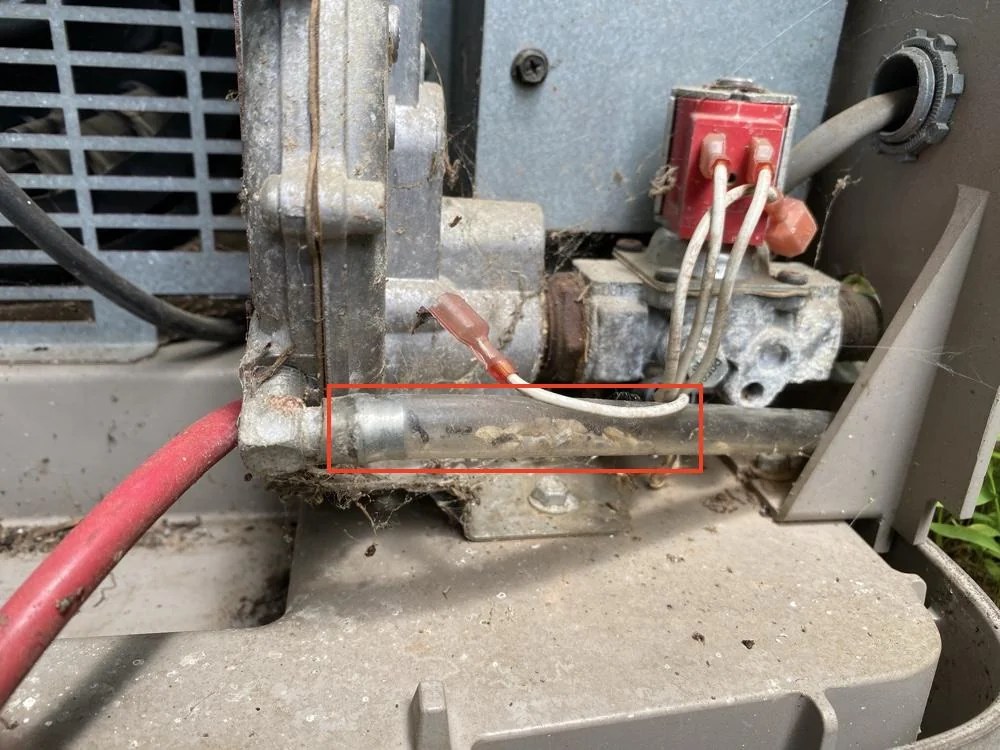
Even with those clues, the OP wasn't sure the regulator was definitely at fault. They wrote in the thread, "I focused on the regulator because that's where the ants were, but I am not sure that's the problem." They then asked the forum, "Do I just need to change the regulator?... Do you have an estimate on how much it would cost?"
Some commenters urged the owner to open the part and inspect the diaphragm, with one saying, "maybe they built a nest on the back side of the diaphragm there and are locking up the action of the regulator." Another described the issue more simply, jokingly adding, "They built a nest in the regulator and the regulator can no longer regulate."
A third user explained, "If the regulator is damaged or you're not comfortable taking it apart, buy a new Garretson KN demand regulator. Around $100."
TCD Picks » Quince Spotlight
💡These best-sellers from Quince deliver affordable, sustainable luxury for all




Once the regulator was disassembled, the OP confirmed the damage and posted an update, writing, "Thanks for the advice. I took it apart today and found that the ants had made a hole in the membrane. I'll look for a new one."
Clearly, even when a generator is otherwise well maintained, small pests can still put it out of service by invading vents, tubes, and regulators.
What can be done?
Identifying the issue first, then deciding whether to bring in a professional only for the final repair, may be the most cost-effective approach while still keeping the system safe.
Rather than assuming the whole generator has failed, commenters suggested starting with the regulator itself. Another piece of advice was to photograph each step during disassembly and then check carefully for leaks after reassembly. One commenter recommended, "spray it with soapy water and sniff around to see if you smell or see any leaks."
Prevention also came up repeatedly. One commenter wrote, "Put screen on tube to keep them out," to which the OP replied, "I wish I had done it earlier!"
Where can I learn more?
Small pest problems can knock out important home equipment fast, and generator owners often have to weigh repair costs against the bigger maintenance picture. These articles stay in that lane, from generator setup tradeoffs to ants taking over other electronics and simple household tweaks that can ease pressure on a budget.
• Homeowners weighing backup power also face noise, airflow, and warranty tradeoffs with generator enclosures.
• A TV owner found a surge protector swarmed with ants, signaling a broader infestation.
• Even small thermostat changes can cut an AC bill in half when budgets tighten.
Read alongside this generator repair story, these articles offer a broader look at backup power, pests, and the cost of keeping home systems reliable.

Get TCD's free newsletters for easy tips, smart advice, and a chance to earn $5,000 toward home upgrades. To see more stories like this one, change your Google preferences here.






