


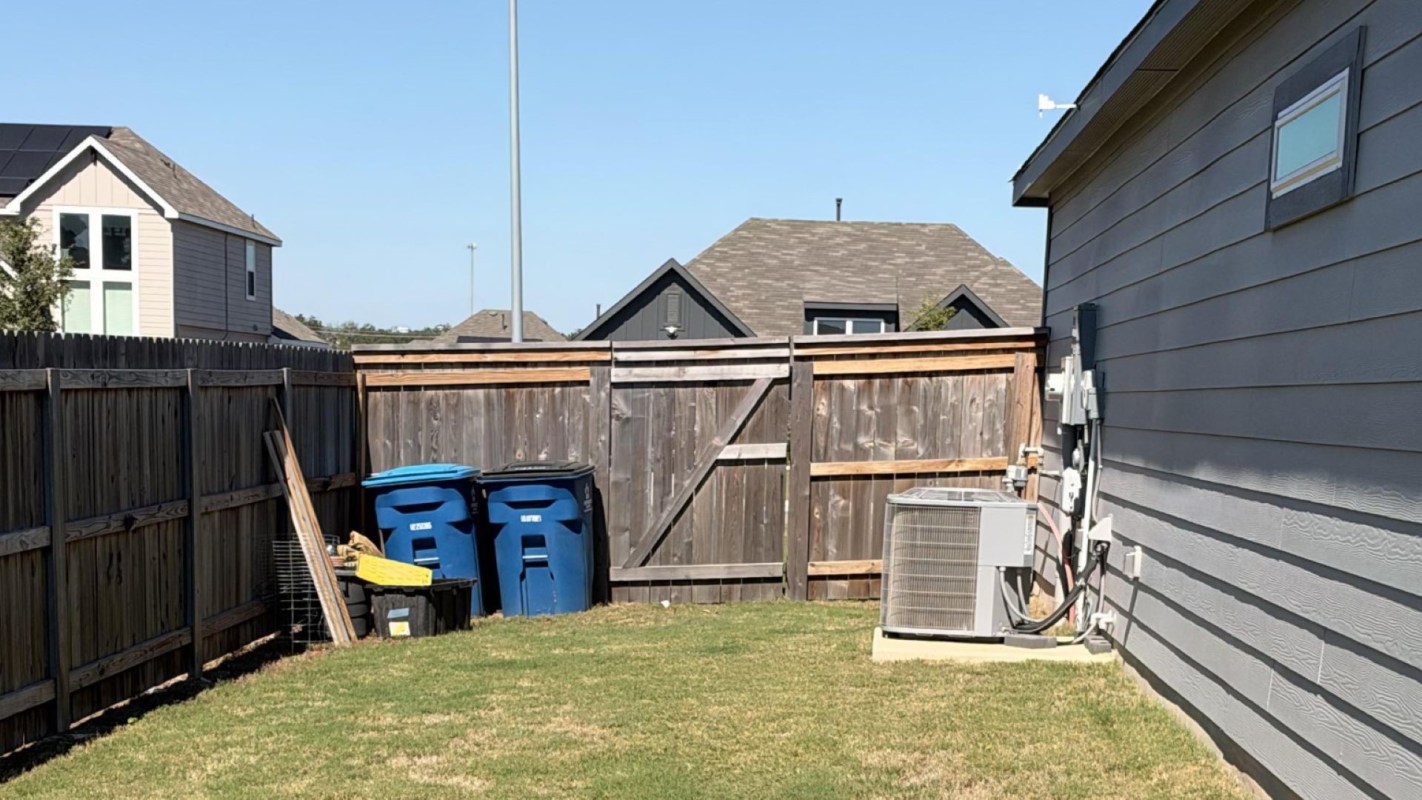
Even with half an acre of land to work with, one homeowner found that safe generator placement can still be surprisingly difficult. Their generator inlet, gas line, and electrical panel all sat in a side yard just 16.5 feet wide, turning a seemingly large property into a tight-fitting puzzle.
Here's what to know
The homeowner wondered whether the narrow strip of land would be able to house their generator after finding out that the recommended setback had increased from 10 feet to 25 feet. The soffits that ran the length of the roof overhang added another layer of concern.
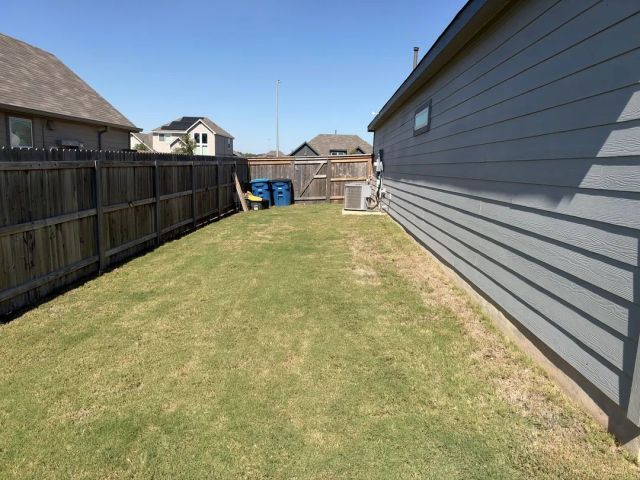
The homeowner shared their situation in a Reddit thread on r/Generator. In response, commenters explained that the spacing rules were mainly about two hazards: carbon monoxide getting indoors and fire reaching the house. As one commenter pointed out, other circumstances, such as open windows, can also impact safety.
The homeowner responded that the nearby window was "sealed shut" and went to a shower. They also explained why the inlet was installed there, writing, "This is where the gas line is (soon will be plumbed for quick disconnect) and main panel all in one spot, so it seemed appropriate at the time to put the inlet here as well."
More from the comments
Several Reddit users stressed that the problem was not just about openings on the house. One commenter asked how far the setup would be from the neighbor's home, while another added that some entities enforce minimum clearances from "any door or window, not just yours."
One idea raised in the thread was to use the corner of the original poster's yard near where they stored their trash cans, but only if the exhaust could be routed so fumes would not build up in that confined area between the fence and the side of the house. The homeowner added that, as a precaution, they intended to buy more carbon-monoxide detectors to supplement the two inside the house.
TCD Picks » Quince Spotlight
💡These best-sellers from Quince deliver affordable, sustainable luxury for all




What can be done?
The best alternative discussed was pushing the generator into the backyard and making up the distance with a cord. According to the commenter who mentioned the fence, a 75-foot run would work with about a 1.5% voltage drop, while 100 feet would cost 2%.
A different proposal they offered kept the generator near the side-yard utility connections while using an exhaust extension to carry fumes out of the "dead space" by the fence. That approach would let the homeowner stick with the 25-foot cord they had on hand and avoid needing "a really long gas hose or run a gas line extension."
The homeowner wrote that the generator would have to run on propane or gasoline for the time being, with propane preferred until a gas connection could be added. They also said the backup-power setup depended on installing a soft start system on the air conditioning unit, which had 120 locked rotor amps startup demand.
"This is a multistep process, with placement being my No. 1 priority at the moment," the homeowner wrote.
Where can I learn more?
The following stories look at similar generator-setup challenges, including setback rules, carbon monoxide risks, exhaust concerns, property-line conflicts, and noise worries.
• One homeowner learned the 20-foot rule also applies near detached garages.
• After a carbon monoxide leak, a homeowner was warned that the standby unit's spot was unsafe.
• In the Pacific Northwest, a deck plan failed because of exhaust risk.
• In Texas, an owner feared a generator by the property line could turn hazardous.
• One homeowner clocked a standby unit at 93 decibels, and tight side-yard walls made it worse.

Get TCD's free newsletters for easy tips, smart advice, and a chance to earn $5,000 toward home upgrades. To see more stories like this one, change your Google preferences here.






