


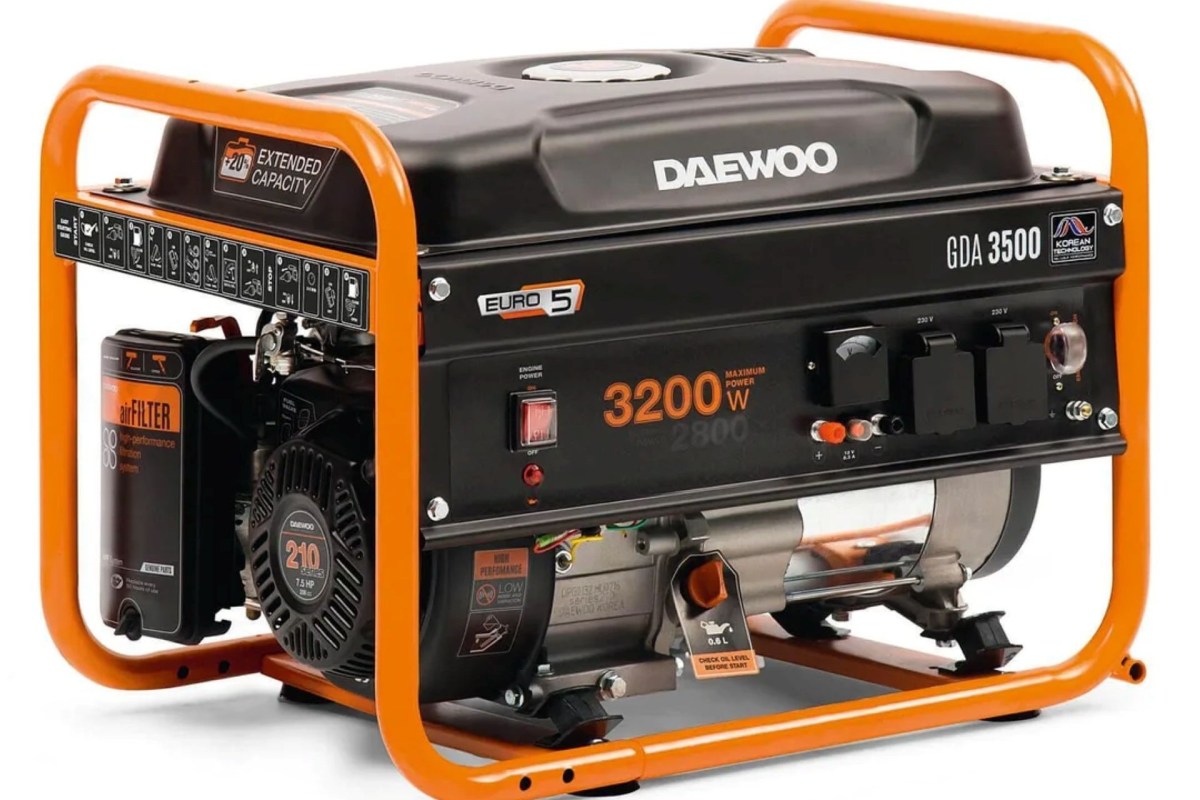
Power outages have a way of changing how homeowners think about preparedness. What can seem like an unnecessary purchase on a normal day can quickly feel essential when the lights go out, the fridge starts to warm, and the house falls quiet.
That was the dilemma one homeowner described in a post on Reddit, explaining that they were finally ready to buy a portable generator after repeatedly wishing they had one during outages.
What's happening?
Their yard offered one workable location: a corner area that was separated from trees and shrubs, not often used by dogs or visitors, far from the house so sound would be less disruptive, and in position for a short run to their electrical panel.
What gave the homeowner pause was the surface itself, since that part of the yard was all grass. As a first-time buyer, they were worried about whether it was appropriate given concerns about heat, exhaust, vibration, and fire risk and asked for a simple explanation about how to make sure a spot was "stable and level, not prone to excessive vibration, fire safe" and that the generator was "installed according to good practice." They noted pouring concrete felt like overkill.
One commenter agreed that a portable generator could be convenient, writing, "They are designed to be easily moved, are either light enough to carry, or have wheels to move them around." They also offered advice on where to safely put the appliance, stating: "As for preparing a place for it, many will just set it on the ground and run it, but if you have issues with high water, you want it up. Many will just use something like concrete pavers or bricks to make the base, or use some rocks."
It is a practical question, and one many homeowners are increasingly confronting as blackouts become more common in some areas. Buying a generator is one part of the equation; figuring out how to use it safely is another step that shouldn't be overlooked.
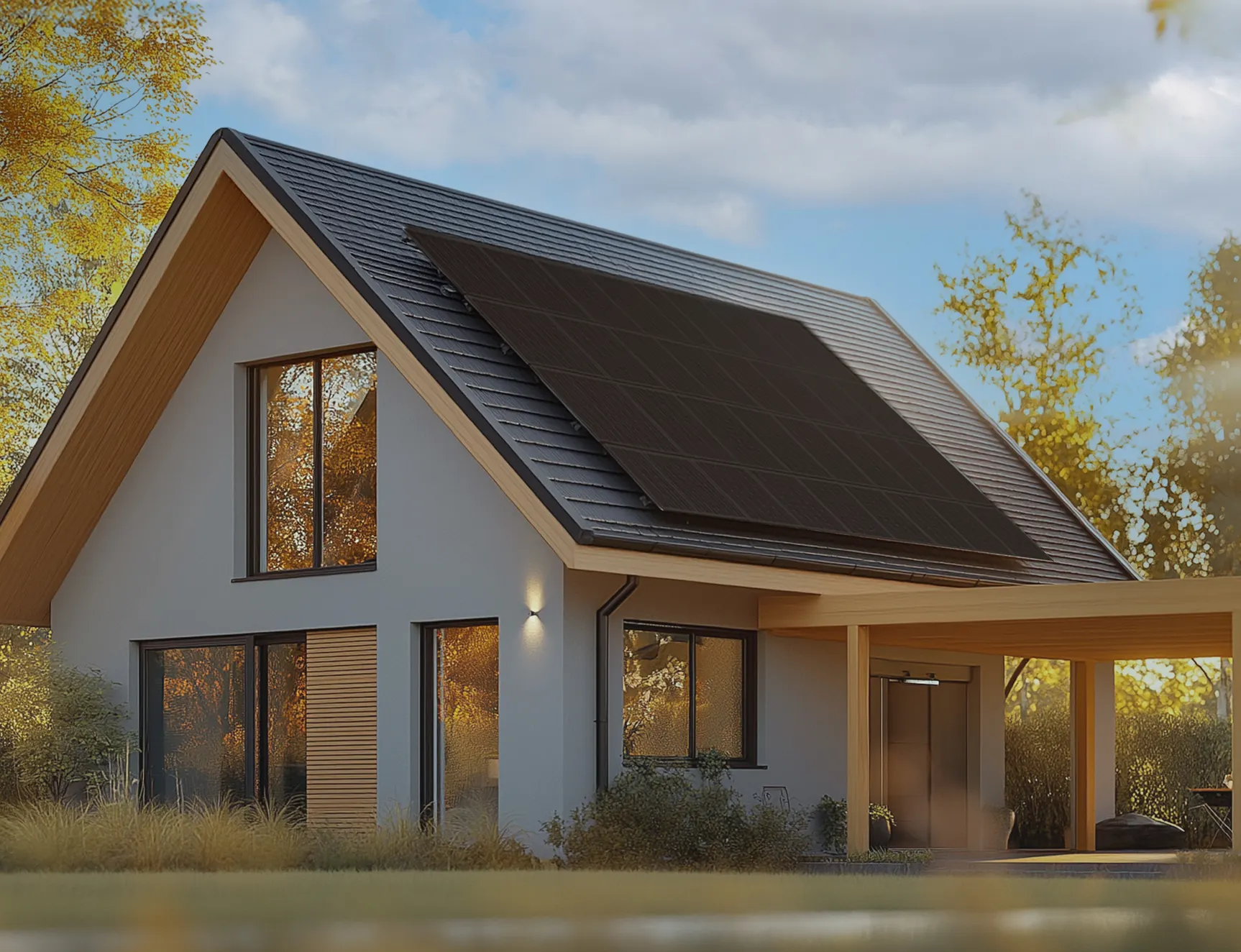
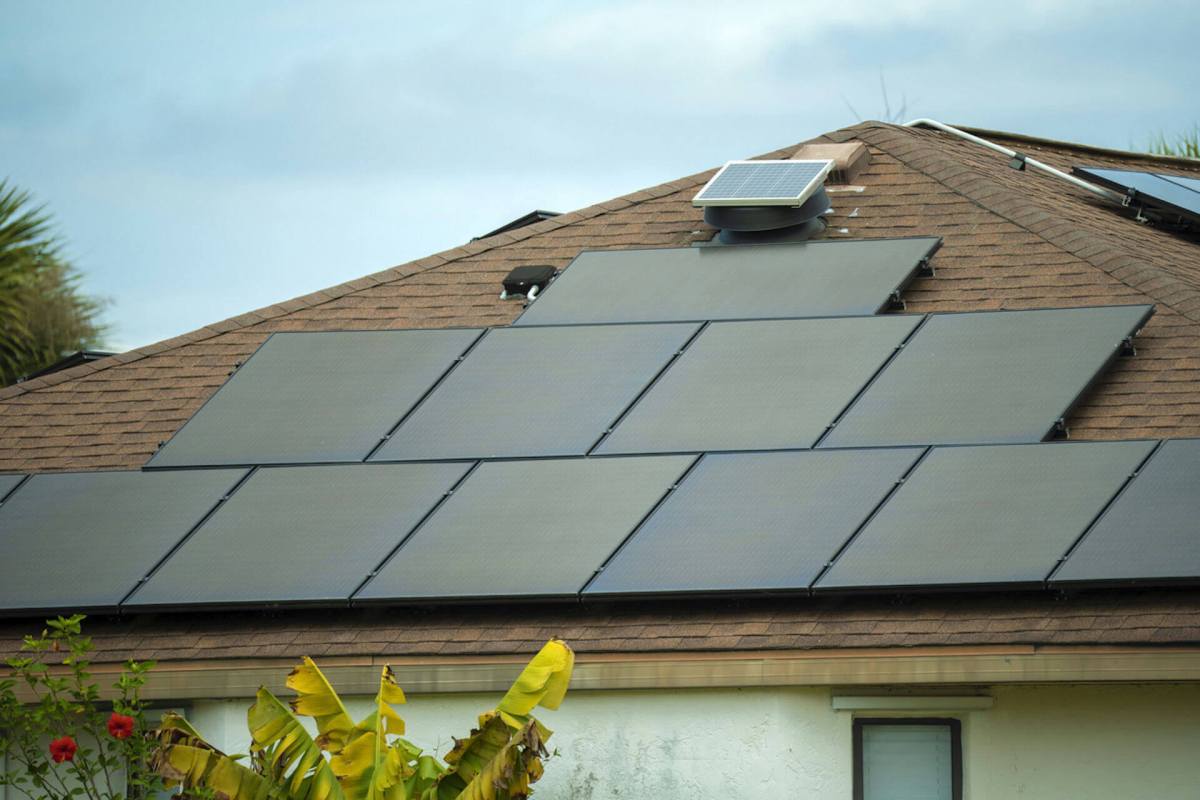
Apart from backup power systems, solar panels are an ever expanding market that many households, even those in climates with cloudy or cool weather, may want to consider. Going solar is one of the best ways to save money on home energy. EnergySage's free tools can open you to new opportunities for quick solar installation estimates and help you compare quotes.
Why does it matter?
A poorly placed generator can create several problems, from uneven operation and excess wear to damaged grass and increased fire risk. Even a seemingly minor setup decision can affect safety, noise, convenience, and whether the equipment is easy to use when it is needed.
Save $10,000 on solar panels without even sharing your phone number Want to go solar but not sure who to trust? EnergySage has your back with free and transparent quotes from fully vetted providers that can help you save as much as $10k on installation. To get started, just answer a few questions about your home — no phone number required. Within a day or two, EnergySage will email you the best local options for your needs, and their expert advisers can help you compare quotes and pick a winner. |

There is also a financial consideration. Homeowners may spend hundreds or even thousands of dollars on backup power, and shortcuts can lead to wasted fuel, preventable repairs, or having to redo the installation later.
The post also captures a common mental back and forth: Outages can make backup power feel urgently necessary, only for that sense of urgency to fade once electricity returns.
What can I do?
For beginners, the goal is typically a flat, sturdy, nonflammable surface in an open outdoor area, with enough distance from the house to ensure safety and reduce noise. Many homeowners look for simpler options than pouring concrete, such as a compacted gravel base or a paver pad, provided the setup remains level and complies with the generator's manual and local code requirements.
EnergySage's free services can be especially useful for homeowners who are already thinking beyond a gas generator. With EnergySage's help, the average person can save up to $10,000 on a solar purchase and installation. And EnergySage's solar map shows the average cost of a home solar panel system as well as details on solar panel incentives by state, helping readers get the best price for rooftop solar panels and access available incentives.
More From EnergySage
💡Go deep on the latest news and trends shaping the residential solar landscape
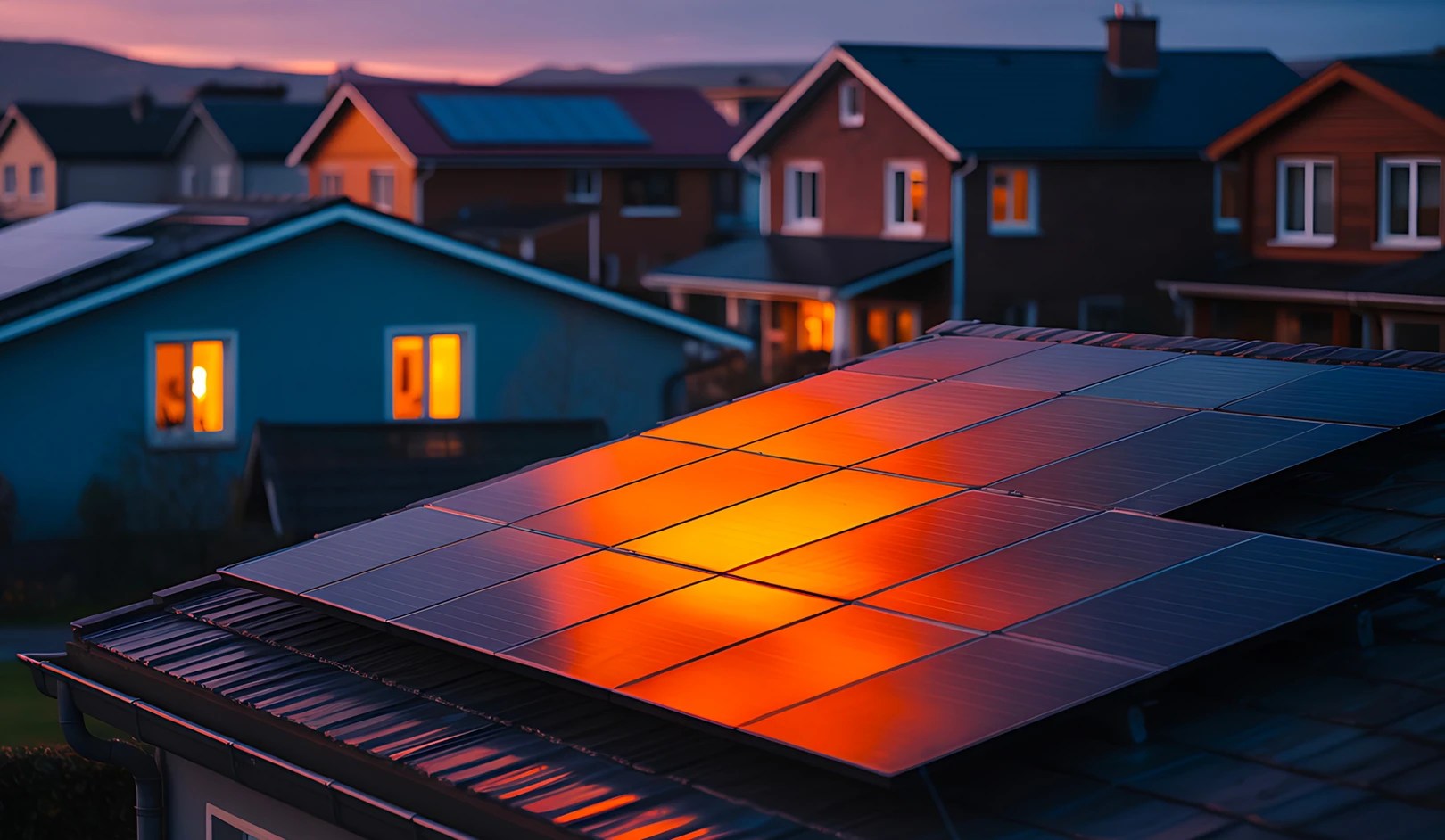

Adding battery storage to a solar setup is one of the best ways to protect your home during outages, save money on energy, and go off-grid. It can keep critical appliances running without the noise, fumes, and fuel concerns that come with a portable generator. Readers can explore EnergySage's free tools for information about home battery storage options, including competitive installation estimates.
At the center of the post was a familiar feeling: During an outage, the homeowner wrote that they would often think, "Damn, I should've bought a generator already," but once service was restored, they would decide, "Nah, it wasn't really worth it for just a few hours."

Get TCD's free newsletters for easy tips, smart advice, and a chance to earn $5,000 toward home upgrades. To see more stories like this one, change your Google preferences here.






