


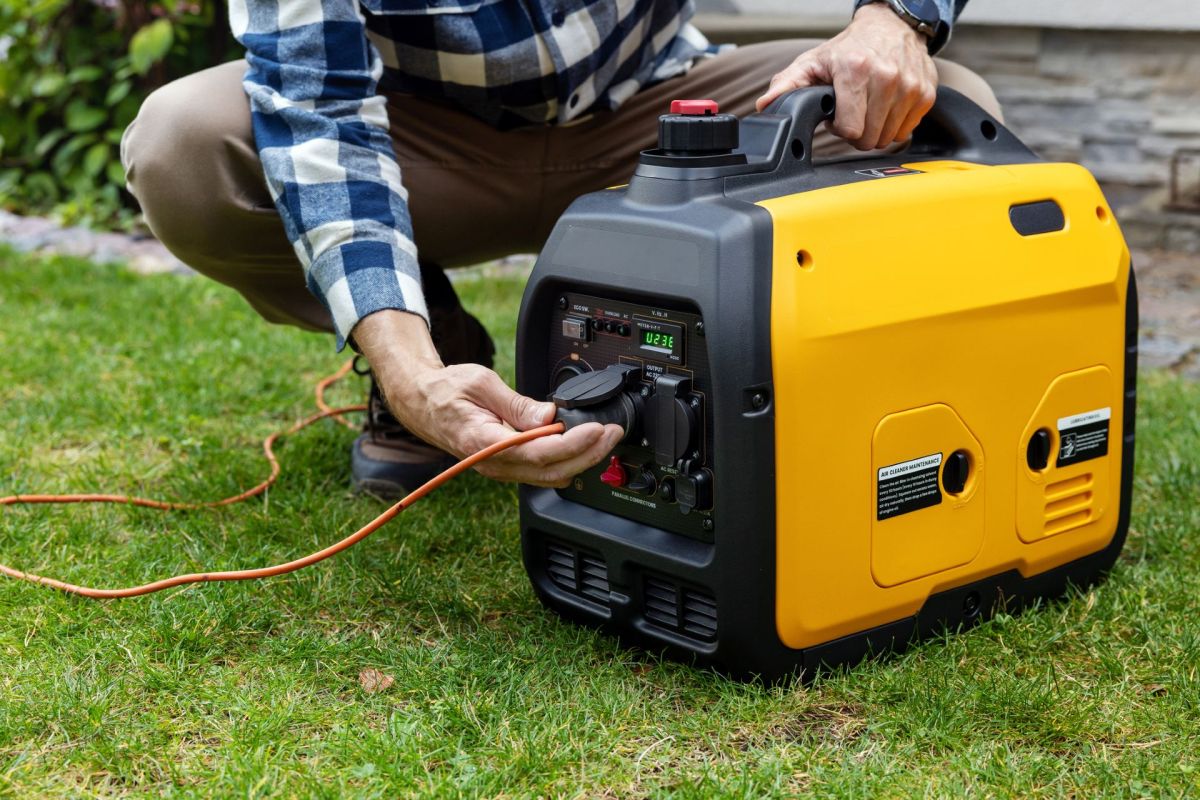
A Reddit user celebrating a new Champion 11k inverter generator got a quick lesson in backup-power safety after asking whether bargain 50-amp cords on Amazon were good enough for home use.
Here's what to know
Posting to Reddit's r/Generator forum, the original poster expressed their excitement over their new inverter.
"I just got my new Champion 11k inverter generator today and I am absolutely ecstatic," the OP wrote.
However, the conversation quickly shifted as the OP asked about what to do next.
"With the initial purchase out of the way I have the next steps to getting this bad boy able to connect to my house," they explained.
The OP shared that they had begun looking at 50-amp cords on Amazon but were confused by the wide range of options and prices.
TCD Picks » Quince Spotlight
💡These best-sellers from Quince deliver affordable, sustainable luxury for all




"The pricing ranges all over the board," they wrote. "More trusted/known brands are double or triple what some of the lesser known Amazon brands are."
"Are there big differences between these in terms of safety/reliability?" they asked.
Commenters jumped into the conversation to give their takes.
Several emphasized that saving money up front on cheaper, less-reliable components can end up costing more in the long run.
"You get what you pay for!" exclaimed one user. "The cord (primarily the connections) is one place you don't want to be cheap."
Another commenter said cheaper cords may work, but they often use lower-grade materials and less durable connections. The same person also stressed that the proper cable has to match both the generator outlet and the home's inlet, adding, "UL or ETL rated cables are what you are looking for."
Others cautioned that not every backup-power system uses the same hardware, and the key point is that the generator, inlet box, and panel setup all need matching ends.
More background
People often buy portable generators for power outages, storms, and other emergencies. A reliable setup can help keep refrigerators cold, sump pumps running, and essential household devices online, potentially saving families from spoiled groceries, water damage, or hotel stays.
For those relying on electricity to power home medical devices, a backup power source can be a matter of life or death.
With so much on the line, generator hookups are one area where cutting corners can backfire fast. Plug types that look similar may serve very different purposes.
What can be done?
When determining what the right cable for the job is, the safest move is to identify the exact outlet on the generator before ordering any cable. Even within a 50-amp setup, the required connection may be a 14-50 style, a twist-lock connector, or something else entirely, depending on the machine and the house-side inlet.
Installing the home inlet and interlock or transfer setup first can help narrow the cord choice.
"Get your inlet setup on your house then get the cord you need to match what you have," advised one commenter.
When it comes to saving money on essential purchases, shoppers should focus on verified value, not just the lowest price. That means checking for certifications, connector quality, wire gauge, flexibility, and weather resistance.
Taking these steps can help avoid wasting money on both inexpensive but unreliable cords on the lower end and overpriced cords on the high end.
A midpriced UL-listed cord can be a better deal than either a bargain-bin cable or a premium brand-name product that costs two or three times more.
Others raised the stakes even further by framing the OP's original question as a safety issue.
Commenting on a particular type of cord, one user warned, "That is referred to as a 'suicide cord' and it is not code compliant (actually illegal in some areas) as well as being potentially deadly to the user and others."
Where can I learn more?
The Reddit thread touched on a range of backup-power questions beyond just cord shopping. The following stories look at generator inlet mismatches, carbon monoxide risks, DIY wiring mistakes, EV home backup, and other outage-prep options.
• A homeowner learned the hard way that a 20-amp bottleneck at home can limit generator options.
• After Hurricane Beryl, experts warned that carbon monoxide from generators can turn outages deadly.
• In home garages, proper wiring and outlets made the difference between charging and melted hardware.
• Some homeowners found an EV offered emergency power without noise when storms threatened fuel supplies.
• Energy experts say portable backup beyond generators can keep essentials running through grid outages.

Get TCD's free newsletters for easy tips, smart advice, and a chance to earn $5,000 toward home upgrades. To see more stories like this one, change your Google preferences here.






