


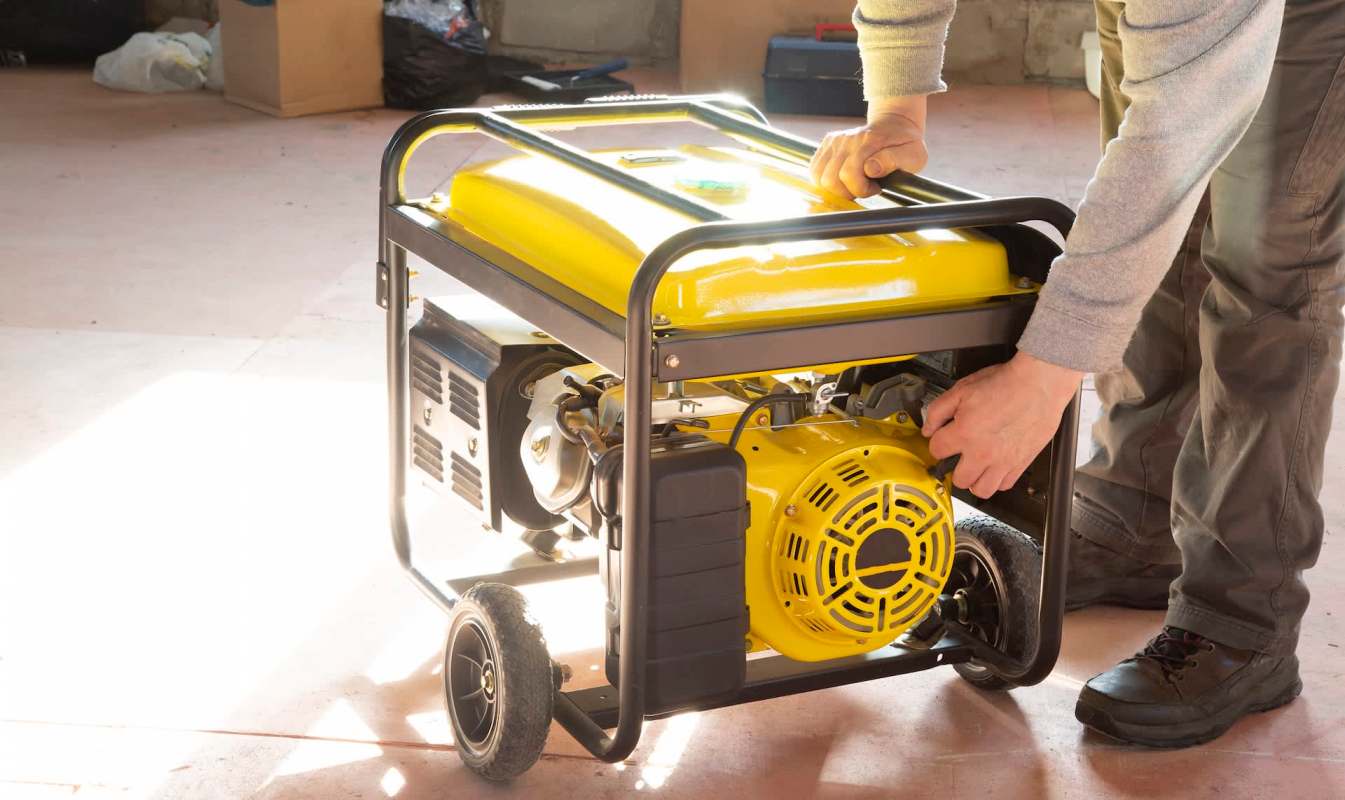
For one rural resident, a roughly half-day power outage became the first real test of a Champion portable generator they had maintained and test-run for about three years.
The test showed both how much a backup setup can help and also which gaps still matter when the lights actually go out.
Here's what to know
The first real test came when a roughly half-day outage hit their area. After the blackout, they took to Reddit's r/Generator community to share their story.
The original poster said a Champion portable generator they had owned for about three years, and maintained with routine upkeep and a few trial runs each year, was finally put to use, and thankfully, it mostly did what it was meant to do.
OP then wrote, "Here is what I learned when all was said and done."
According to the post, the setup was enough to keep cooking possible, preserve food in two refrigerators, and maintain an internet connection. Still, issues quickly arose.
TCD Picks » Quince Spotlight
💡These best-sellers from Quince deliver affordable, sustainable luxury for all




The problems that surfaced were mostly logistical. One extension cord was not long enough for its intended job, routine tasks became much harder once the overhead lights were gone, and a carbon monoxide detector near the generator depended on AC power, meaning it needed its own dedicated cord.
Two main learnings were that "it took almost an hour to get the generator all set up and running" and that "the dogs get overly excited when the generator is running. I am not sure why but they bark at it and stand in the yard where the exhaust comes out."
Another lesson was about when to begin the switchover. The poster waited before pulling out the generator, and by the time backup power was being set up, the computer's UPS had already run out. Since the same UPS also supported the Wi-Fi equipment, the internet went down too, which made getting everything restored more of a hassle.
One commenter suggested a quick-fix solution to one of the problems, writing, "You should have a battery back up CO detector regardless."
Multiple other users suggested that OP invest in battery-powered lights, be they lanterns or flashlights. Still, many appreciated their breakdown of the experience.
What can be done?
When you get new backup equipment, you should practice the full outage routine, and that goes beyond just starting the machine. It means thinking through what happens to lighting, refrigeration, internet equipment, cooking, and safety devices when the grid goes down.
A battery-backed carbon monoxide detector is one of the clearest upgrades. Dedicated extension cords for critical appliances can also help prevent last-minute scrambling in the dark, especially for alarms, refrigerators, routers, and communication or medical equipment.
Portable plug-in lamps are another relatively inexpensive fix that can make a major difference in kitchens and common areas. Labeling cords by room or appliance, checking lengths ahead of time, and deciding when to shut down computers before a UPS drains can all make the next outage easier to manage.
For some households, a power inlet may still be worth considering.
Where can I learn more?
These stories explore the same backup-power questions that came up during this real-world generator test.
• After Hurricane Beryl, families faced carbon monoxide risks from generators that battery backups can avoid.
• One homeowner found an EV offered emergency power without generator noise during hurricane season.
• Across the U.S., installers say backup batteries paired with solar are replacing old generator routines.

Get TCD's free newsletters for easy tips, smart advice, and a chance to earn $5,000 toward home upgrades. To see more stories like this one, change your Google preferences here.






