


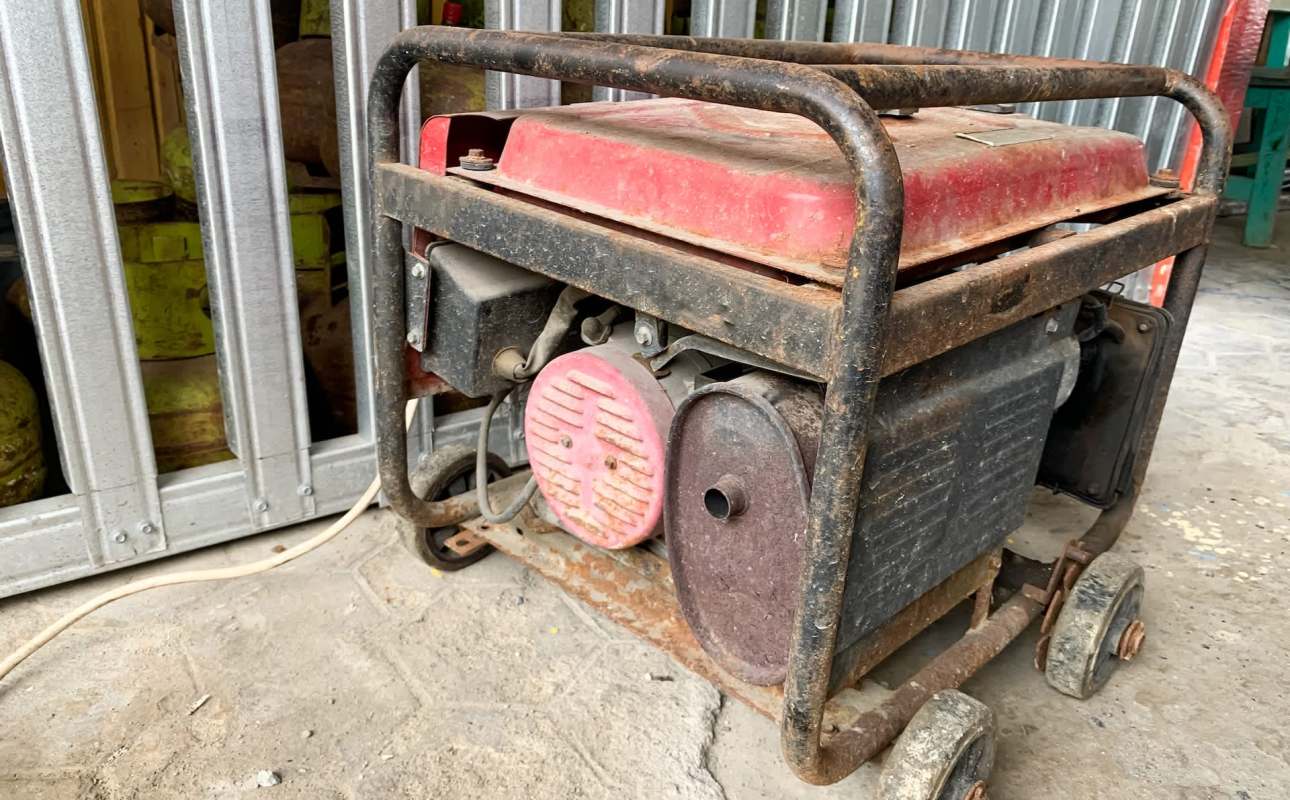
A homeowner who bought a portable generator as storm insurance confronted the maintenance burden behind the gas machine.
Here's what to know
Heavy rain turned an untouched emergency generator into a fresh worry for one homeowner. In a Reddit thread, they said they bought a Brute 030634 to keep a sump pump running during outages, then assembled it and left it in the garage.
"I've never started it up. Never put oil or gas in it," the original poster wrote. They asked whether that 10-year stretch of dry storage may have harmed the generator and whether finally starting it would mean being stuck with maintenance requirements.
Commenters focused on the risk of waiting for a storm outage to learn whether the machine worked. "How happy are you gonna be when you need the gen to run your pump and you find out it doesn't work?" one asked.
The consensus was that even a basic test is better than no plan at all. Several Reddit users said to add oil, start the generator, verify that it produces electricity, and avoid leaving fuel sitting in the system for extended periods.
More background
A generator can prevent a flooded basement, damaged drywall, ruined flooring, and the loss of stored belongings. That is if it starts and runs when the grid goes down.
TCD Picks » Quince Spotlight
💡These best-sellers from Quince deliver affordable, sustainable luxury for all




Much of the discussion centered on gasoline storage rather than oil changes. One commenter said extremely light use does not necessitate yearly oil changes, while others recommended testing the unit with only a small amount of fuel and then running it dry so the carburetor is less likely to gum up.
Redditors also noted that neglect can create problems. One recalled a neighbor who first opened a generator during a major hurricane and discovered that fittings had rotted.
A generator sitting under a cover may feel like protection, but if it has never been tested, it could leave a homeowner to face costly water damage or a rushed replacement purchase.
What can be done?
Commenters recommended following a low-maintenance routine. Their first suggestion was to find out the condition of the machine by checking whether the shaft turned freely, adding oil and fuel, and confirming that it can produce power under load.
From there, many advised keeping test runs short and simple: Use only a little fuel, choose ethanol-free gas, and run the generator dry before storing it again. That approach can limit varnish buildup and carburetor clogs, which may save money on repair visits, replacement parts, or buying a new generator during an emergency.
People differed on how often they ran theirs, with some saying every few months and others saying occasional checks were far better than none. A few also pointed to propane or dual-fuel models as low-maintenance alternatives because they avoid some of the storage issues tied to gasoline.
Even the most expensive maintenance routine is likely far cheaper than discovering a dead generator during a blackout and then paying for flood cleanup afterward.
"Run it to make sure it works. Couple times a year. Not only the engine runs but that it makes electricity as well," one commenter wrote. "Better to know if it does work or doesn't and remedy that. Store it with no gas in the tank or carb bowl is about it. Change the oil after a couple/few days' use."
Where can I learn more?
For homeowners weighing backup power options, these stories explore clean alternatives, setup tradeoffs, and the safety risks that can come with portable generators.
• Homeowners are being told backup solar and batteries solve problems gas generators never will.
• In Texas, one homeowner found that a 190-pound generator may be useless at 2 a.m.
• Generator owners weighing a noise complaint said "zombie box" enclosures can raise airflow and warranty worries.
• After Hurricane Beryl, families were warned that carbon monoxide from generators can be deadly.
• Many families say home battery backups are safer than gasoline generators.

Get TCD's free newsletters for easy tips, smart advice, and a chance to earn $5,000 toward home upgrades. To see more stories like this one, change your Google preferences here.






