


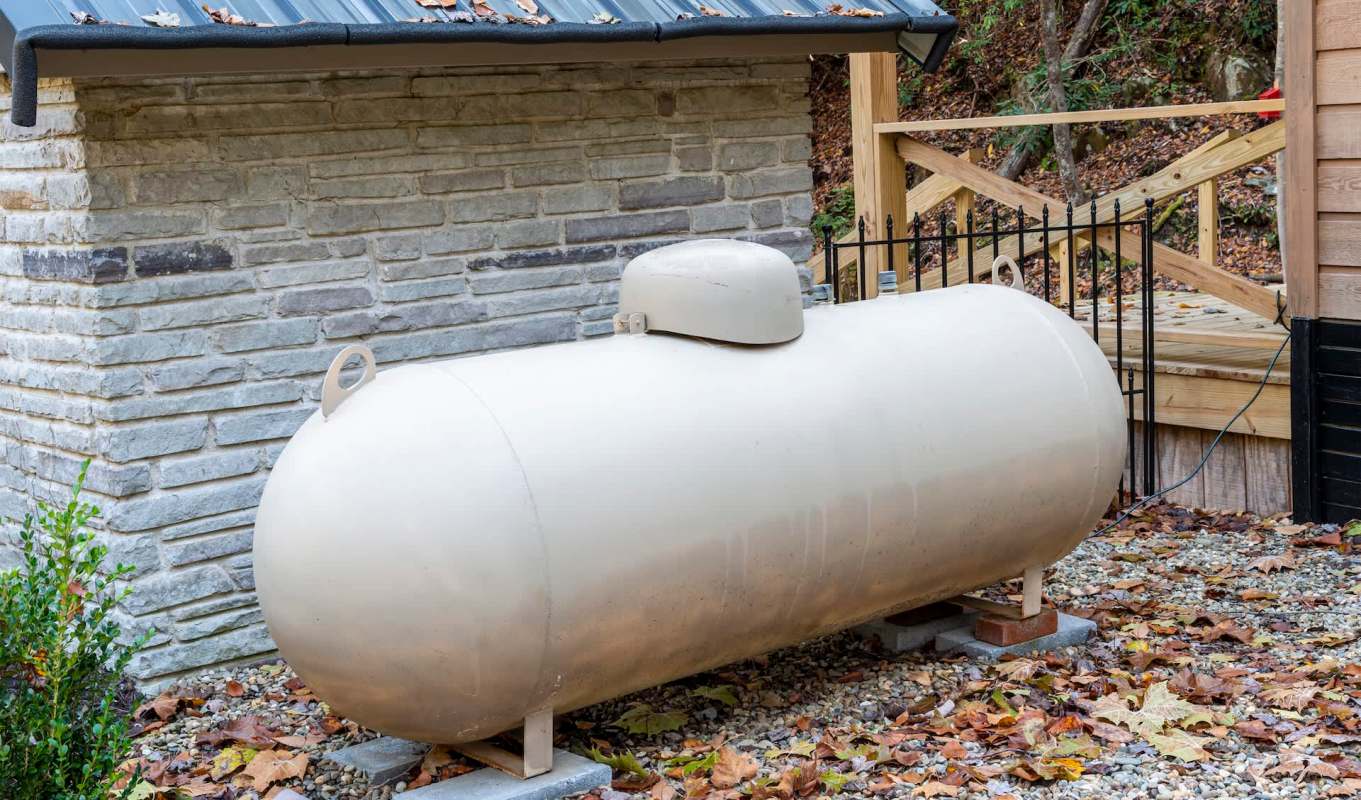
A backup-generator estimate gave one homeowner pause.
The company suggested installing propane tanks along one side of the property and bringing the fuel line through the garage and attic instead of burying it outside.
That left the homeowner wondering whether the plan was a routine installation method or a warning sign that could create extra cost or trouble down the road.
What happened?
The question came from a ranch homeowner in a post on Reddit who was comparing two possible generator layouts.
One proposal called for two 120-gallon above-ground propane tanks on the west side of the house, with gas piping run through the garage and attic. The other would place the tanks toward the back of the yard and use a trench for the line.
The homeowner summed up the concern plainly: "The first option for gas piping seems very strange to me and I am curious if anyone has done this and if this is a red flag or concern?"
TCD Picks » Quince Spotlight
💡These best-sellers from Quince deliver affordable, sustainable luxury for all




People in the comments said attic routing, by itself, is not considered unusual.
One commenter wrote, "We run gas through the attic all the time," and another said flexible "Arc Resistant CSST" can be used for that type of job.
Even so, that same commenter still favored burying the line, saying, "Always underground if possible. That would be my first choice."
Later in the thread, the homeowner said the installer expected little difference in price between the two approaches, describing underground trenching versus attic routing as "basically a wash."
Why does it matter?
Because generator projects are already costly, the route chosen for the gas line can become a meaningful part of the decision.
If two installation methods end up near the same price, homeowners may be left weighing code compliance, durability, personal comfort, and how much disruption each option creates.
Choosing the stronger route at the start may lower the chance of paying later for rerouting, permit complications, or repairs.
The discussion also touched on fuel storage.
One commenter suggested 120-gallon tanks are often part of a plan when available space is limited, but added, "My typical recommendation is 500 gallons."
Smaller tanks may be easier to place, though they could also require more frequent refills during long outages.
So while a line through the attic may be acceptable, similar pricing could still push some homeowners toward an underground run instead.
What can I do?
If you're planning a generator install, it can help to collect several bids and ask each contractor to price both an underground route and a through-house route.
It is also worth confirming exactly what piping materials will be used.
One commenter advised homeowners to "Make sure if they use Arc Resistant CSST with the black jacket and not the older style yellow jacket CSST if they go with the flex option."
The thread included another practical tip for buried lines: "If they do run underground make sure they run a trace tape with it for locator purposes."
Homeowners may also want to verify who will actually handle the gas piping.
As one commenter put it, "I hope the generator company is using a licensed plumber to run the propane line."
Early questions about layout matter too, especially on oddly shaped lots. This homeowner described the property that way, and issues like tank placement, window clearances, and spacing around other equipment can add labor fast if they are discovered late.

Get TCD's free newsletters for easy tips, smart advice, and a chance to earn $5,000 toward home upgrades. To see more stories like this one, change your Google preferences here.






