


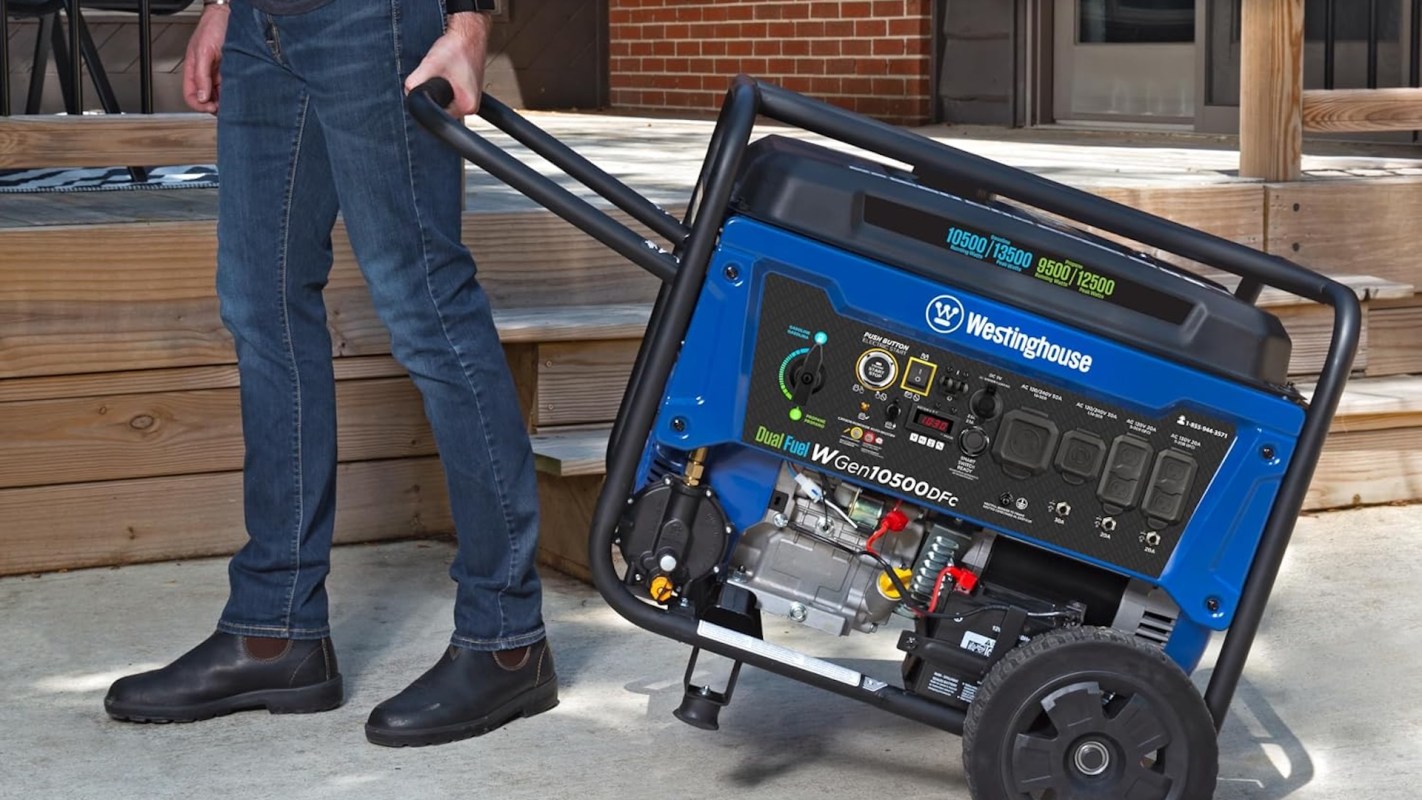
Buying a generator that looks big enough on paper can still leave a home without air conditioning when the power goes out. That was the problem facing one homeowner trying to determine whether a portable generator could handle an HVAC startup.
Here's what to know
The question came up in a Reddit thread on r/Generator, where the original poster was looking at a 13,500-peak-watt Westinghouse and wondering why so much of the advice they found still pointed to adding a soft starter.
Even with what looked like plenty of headroom, the homeowner was not convinced the numbers told the whole story. They described the system as a standard 18-to-30-amp, 203-to-230-volt HVAC setup and estimated normal electricity use at about 1,800 to 2,300 watts. "This seems there would be more than enough spare wattage for start up. Is this soft starter a must or another $$$ trap?"
The replies largely focused on the brief surge at startup rather than the lower demand once the system is running. When the compressor kicks on, an air conditioner can pull far more power for a moment, which is why backup-generator sizing gets complicated fast.
One commenter put it plainly: "Any generator mfg claiming/implying it can handle an HVAC start without knowing anything about the connected equipment is just making stuff up. Buy a soft start."
Later in the discussion, the OP shared more specifics about the unit. They said it was 2.5 tons and listed the locked rotor amps as 72.5, which led one commenter to reply: "By that math, you are close to 18kw on startup so soft start."
TCD Picks » Quince Spotlight
💡These best-sellers from Quince deliver affordable, sustainable luxury for all




More background
That gap between running watts and startup watts is what makes air conditioning one of the easiest ways to overload a portable generator. A system that seems manageable during normal operation can hit the generator with a sharp surge, leading to voltage sag, rough starts, or even a shutdown.
Not everyone said a soft start was required, but several users described it as a way to soften that initial hit. One commenter with the same generator said they get by without one by staging loads carefully: "I just turn on handler first and wait until it's running/thermostat works, then start the compressor. Once that has kicked in I turn on the rest of the needed circuits in the house"
The decision is also about cost. If a soft start allows an existing portable generator to handle a 2.5-ton system more smoothly, that could mean buying a kit instead of upgrading to a much larger generator.
Some users said the benefits could extend beyond outage use. One commenter who added a soft start to an older system said it "sounded better" and "started easier."
What can be done?
Commenters suggested starting with the air conditioner's specifications instead of relying on a generator's headline wattage alone. The unit's tonnage, locked-rotor amps, fuel type, and whether it is an older capacitor-based system or a newer inverter design can all change the answer.
A soft start will not magically make every air conditioner generator-friendly, but it can reduce the startup spike enough to make an existing setup more workable. That can be especially helpful for households trying to stay comfortable during outages without buying a full standby system.
Users also warned that the compressor may not be the only thing drawing heavily at that moment. A microwave, sump pump, or blower motor switching on at the same time can add to the load.
Where can I learn more?
For more on backup air conditioning, newer home battery options, and generator safety warnings, these stories are a good place to start.
• In Texas, a homeowner worried a 190-pound generator would be too much during overnight outages.
• Across the U.S., homeowners are opting for next-gen home batteries instead of older generators.
• After Hurricane Beryl, experts warned that generator carbon monoxide dangers can turn outages deadly.

Get TCD's free newsletters for easy tips, smart advice, and a chance to earn $5,000 toward home upgrades. To see more stories like this one, change your Google preferences here.






