


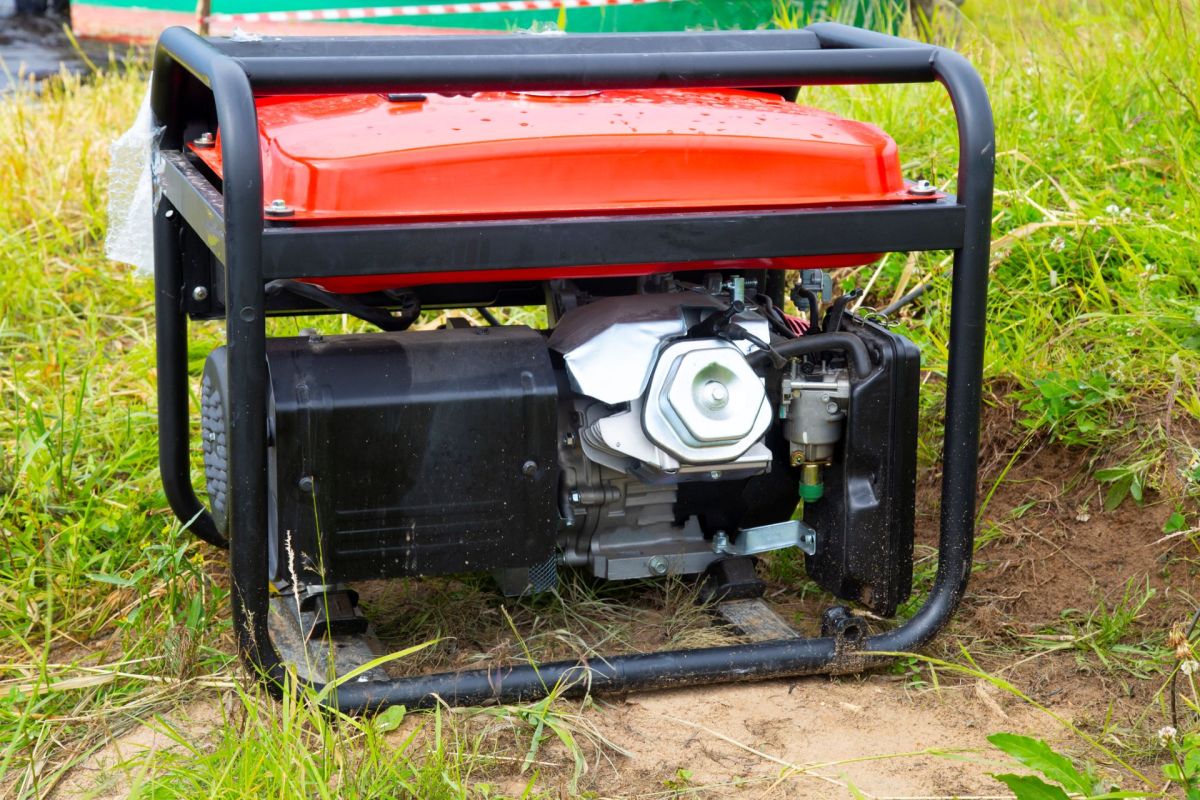
A portable generator being used to power welding work caused a fire in a North Carolina shed after its fuel line ruptured and leaked fuel onto the hot engine, leaving one man burned as he escaped.
The incident is a reminder of how quickly generators can turn dangerous when fuel leaks, heat, and combustible clutter are all in the same place.
Here's what to know
On Christa Drive in New Hanover County, fire crews extinguished a shed blaze after fuel from a damaged generator line leaked onto the unit's hot engine and caught fire, WECT reported. A man escaping the shed was burned on his back and legs, and officials said no one else was injured.
Deputy Fire Marshal Raymond Griswold said the fire broke out during welding work that relied on the generator for power, according to WECT.
This kind of fire can spread quickly and threaten more than a single shed. Griswold explained that many combustible items were too close to the generator, making the fire even worse.
More background
Portable generators are common tools for home improvement projects, storm recovery, and temporary electricity, but they require routine inspection. Fuel lines can wear down over time, particularly when exposed to heat, vibration, or improper storage. If a line cracks or ruptures, spilled gasoline can ignite almost immediately on a hot engine.
TCD Picks » Quince Spotlight
💡These best-sellers from Quince deliver affordable, sustainable luxury for all




A structure filled with combustible materials can rapidly become a danger to nearby property, while smoke and burning fuel can pollute the air around neighboring homes and yards.
Crowding a working generator with easily ignited items can turn a small mechanical problem into a much larger emergency. In a shed, that kind of setup can threaten not only the operator if flames spread, but also relatives, nearby residents, and responding firefighters.
Avoidable fires can damage property, strain emergency response resources, and send harmful smoke into the surrounding neighborhood.
What can be done?
Inspect generators before use, paying close attention to fuel lines, fittings, and tanks. If anything appears cracked, brittle, or loose, the equipment should not be used until it has been repaired. Running machinery should also be kept well away from clutter, fuel containers, and other combustible materials.
Generators should have a dedicated operating space with proper ventilation and open clearance on all sides. That means taking caution to ensure flammable items aren't near. It's essential to avoid packed sheds or areas where tools, rags, wood, or storage bins are close enough to catch fire easily.
"One of the issues that I got here tonight from a fire prevention standpoint is if you looked in the shed, there was nothing but combustibles stacked all around this generator," Griswold explained. "So, that's one flaw that shouldn't happen."

Get TCD's free newsletters for easy tips, smart advice, and a chance to earn $5,000 toward home upgrades. To see more stories like this one, change your Google preferences here.







