


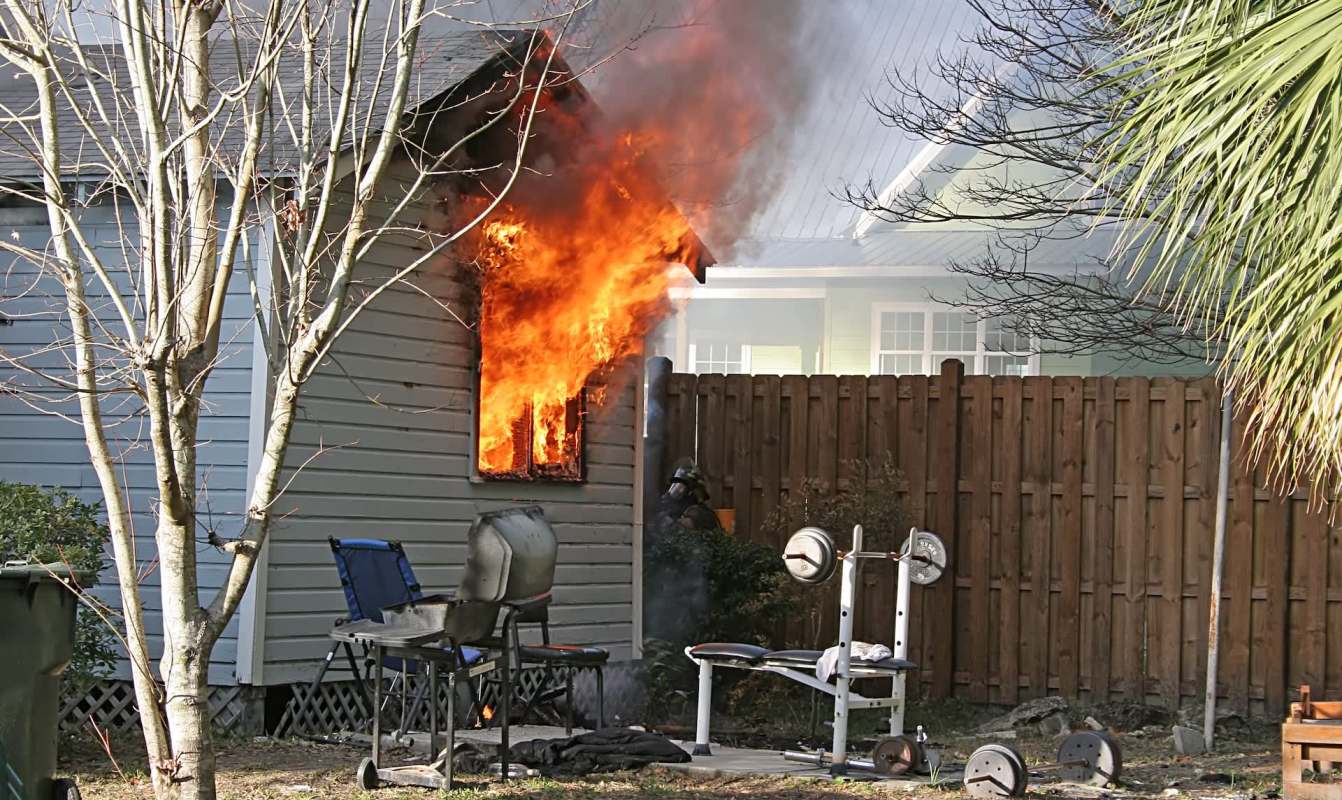
A Minnesota cabin owner said a generator that had run in the same small shed for years suddenly caught fire, prompting a 911 call and a scramble to keep the blaze from spreading.
The close call is now prompting a full rethink of both the generator itself and how it is housed through northern Minnesota winters.
Here's what to know
According to a Reddit post, the owner had kept an 8,000-watt generator in a 4-by-6 shed and said that arrangement had been in use for about three years before the fire.
Use was limited to roughly 20 to 30 days each year, and the same shed had also housed smaller generators in the 4,000- to 6,800-watt range over the previous 12 years.
Despite ventilation measures that included a removable roof, an open front during operation, a roughly 1-square-foot opening facing the exhaust, and a fan pointed at the machine, the owner wrote: "I came out to the generator fully engulfed in flames."
They said the fire department got there in about 15 minutes, and the fire was contained before it spread to the cabin or a storage shed.
TCD Picks » Quince Spotlight
💡These best-sellers from Quince deliver affordable, sustainable luxury for all




Looking ahead, the owner said the 8,000-watt machine was "way bigger than I needed" and is now weighing a replacement in the 4,000- to 5,000-watt range.
More background
The owner didn't identify a firm cause for the fire, and commenters offered several possibilities, including heat buildup, the nearby wood structure, or a problem somewhere in the fuel system.
Among those theories, one commenter wrote, "I would expect that the usual engine fire happens when raw fuel somehow spills onto a very hot exhaust system," while another said an "old fuel line leaking would be my guess as well."
The owner pointed to past fuel-related problems but said this case was different, replying: "I only use fresh 91 octane fuel (no ethanol)." They added that they had already gone through "2 generators in 3 years" after learning "the hard way not to use ethanol and or old fuel."
The owner said the cabin is in northern Minnesota, where winter snow can reach 4 feet deep, so simply placing the next generator out in the open is not the option they want.
What can be done?
A recurring theme in the replies was to rebuild with materials that are less likely to burn. One commenter suggested "a good sized A frame" covered in corrugated metal and built with as little lumber as possible, adding that metal studs could further reduce fire risk.
Heat shielding was another recommendation. After saying, "Use cinder block for the side that is closest to the heat," one commenter described adding "protective layers of metal and fiberglass with air gaps" after noticing wood walls warming up during test runs.
Other ideas focused on combining airflow with noncombustible construction. One reply described a friend's cabin setup with cinder-block walls, a metal-lined door, a peaked roof about 6 feet high, and small lower-door openings for fresh air, while another suggested fine-mesh walls to keep rodents out and roof vents so hot air can escape upward.
Commenters also pushed the owner toward downsizing the equipment, with one advising them to "buy one a little larger than your electricity draw" and to consider an inverter generator that is quieter and needs less fuel.
Where can I learn more?
For more on these issues, these stories cover generator safety, enclosure design, and backup power options.
• Homeowners found noise reduction options carry airflow, safety, and warranty trade-offs around generator boxes.
• Across the U.S., installers say backup batteries paired with solar are replacing aging generators.
• In South Carolina, officials said trying to heat homes with generators can turn deadly in winter.

Get TCD's free newsletters for easy tips, smart advice, and a chance to earn $5,000 toward home upgrades. To see more stories like this one, change your Google preferences here.






