


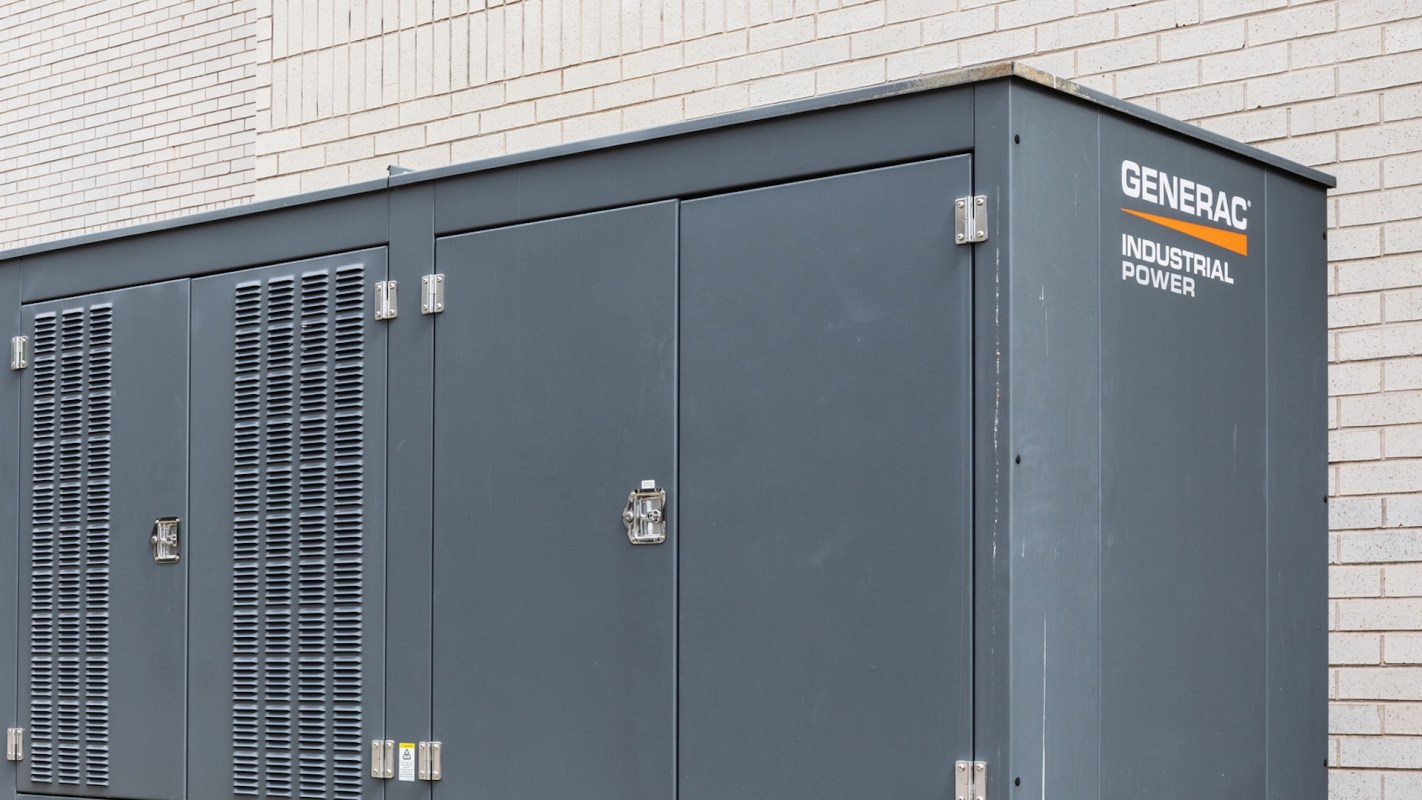
A portable generator that was supposed to make outages easier ended up creating a new problem for one family.
A Reddit user said their grandfather chose a Generac in part for its electric-start feature, then found that the battery apparently does not recharge while the generator is running.
What happened?
Because the cottage usually relies on solar power, the generator is only needed from time to time. In that context, the poster said on Reddit that their 84-year-old grandfather bought a discounted Generac to replace an older Champion unit and was excited about having an electric start.
Once the unit was set up, the family realized the starter system had a limitation. The poster wrote that the battery "doesn't get charged on its own (with the generator running) unless it is plugged in using the included DC wall charger." They added that the charger provides just 800 milliamps and that Generac says a full charge takes "8 to 12 hours."
That left the family with a generator that could be easy to start at first, potentially the right option for many families at its price point, but one that may not stay ready for repeated use without extra planning in the way that more expensive whole-home integrated systems can offer.
For people thinking about more resilient backup options, adding battery storage is one of the best ways to protect your home during outages, save money on energy, and go off-grid. You can explore EnergySage's free tools to learn about home battery storage options and get competitive installation estimates.
EnergySage has also teamed up with Qmerit, a partnership that can help you get the best price on home battery storage solutions. Another option is Pila, which is a good choice if you're looking for a low-cost battery solution for individual devices or appliances, like a fridge.
Why does it matter?
Electric start sounds like a major convenience, especially for older adults, but it becomes far less useful if the starter battery needs separate charging to stay dependable.
Save $10,000 on solar panels without even sharing your phone number Want to go solar but not sure who to trust? EnergySage has your back with free and transparent quotes from fully vetted providers in your area. To get started, just answer a few questions about your home — no phone number required. Within a day or two, EnergySage will email you the best options for your needs, and their expert advisers can help you compare quotes and pick a winner. Solar panels can save you more than $50k over their 25-year lifespan, and EnergySage can help you save as much as $10k on installation. Which begs the question — isn't that worth an email or two? |

The concern may be even greater for off-grid households. If a generator is meant to support a solar setup during cloudy stretches or emergencies, owners may expect it to be more self-sufficient than a model built around occasional wall-outlet charging.
A dead starter battery can lead to replacement costs, added maintenance, wasted fuel during troubleshooting, and potentially spoiled food or lost comfort during outages.
Battery storage can help reduce those risks while also allowing households to store power for later use, cut reliance on expensive peak electricity, and keep key appliances running without the noise and fumes of a gas generator.
What can I do?
If you are shopping for a generator, check one detail that can be easy to miss: whether the electric-start battery charges while the engine is running. Owners may also want to review the charger type, charging time, and whether the unit is intended for frequent stop-and-start use.
For people who already own a unit like this, the simplest step may be to keep the starter battery maintained on the schedule recommended by the manufacturer and test the setup before storm season or a remote trip. If the system is tied to solar, a qualified technician may be able to recommend a compatible charging workaround.
Many households may find that battery backup is a better fit for routine outage protection. Portable batteries can handle smaller loads at a lower upfront cost, while home battery systems can provide larger backup capacity and help trim utility bills over time.
"This generator is only used when required," the original poster wrote. "At most he would only use the generator for a few hours once every few weeks, however some days he may start and stop the generator a few times in one day."

Get TCD's free newsletters for easy tips, smart advice, and a chance to earn $5,000 toward home upgrades. To see more stories like this one, change your Google preferences here.






