


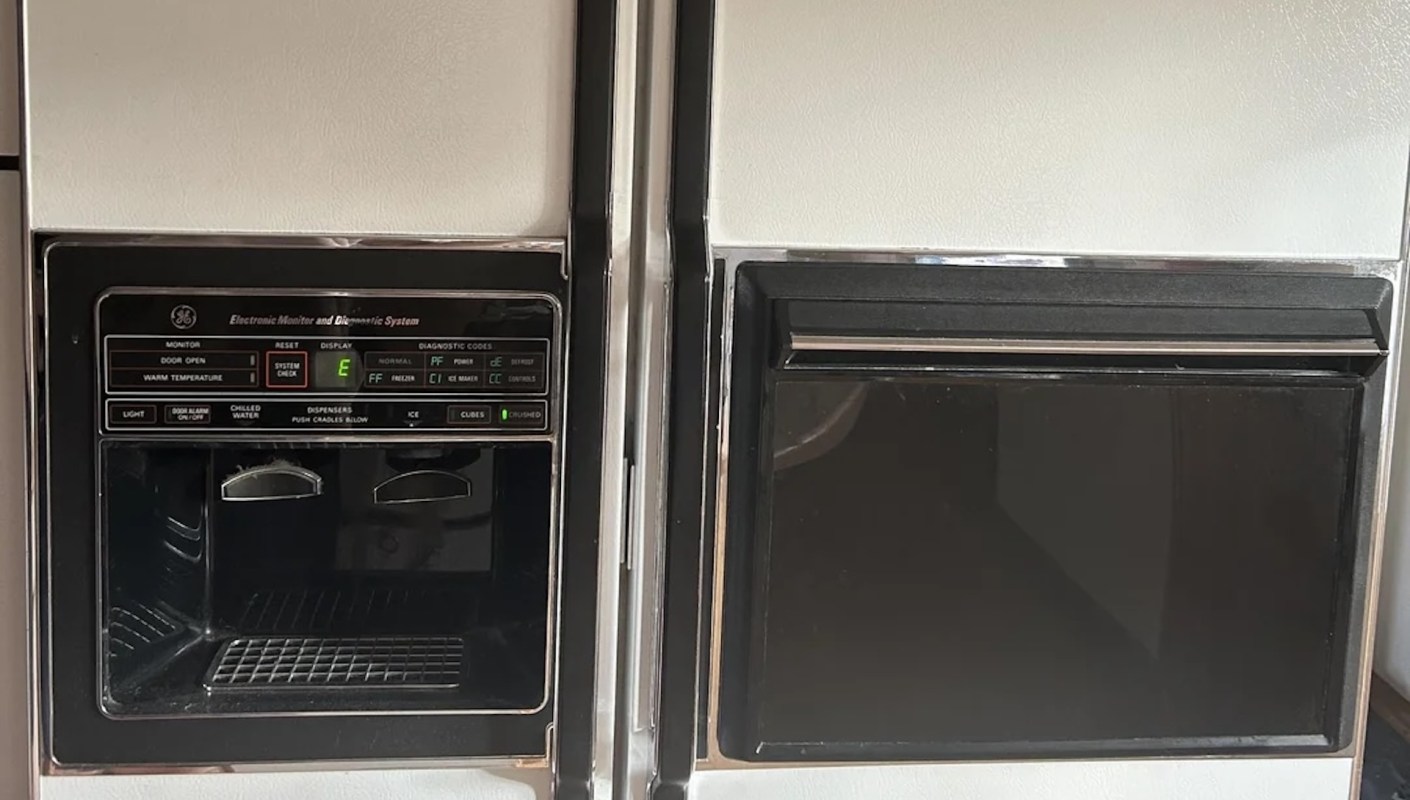
When appliances are built well, they can last for decades. That was the case for one homeowner who took to Reddit to share that their fridge, believed to be from 1991, is finally getting an upgrade despite still functioning well.
What happened?
The owner recounted the fridge's final day in Reddit's r/BuyItForLife forum, explaining that the GE unit was still operational when it was taken out.
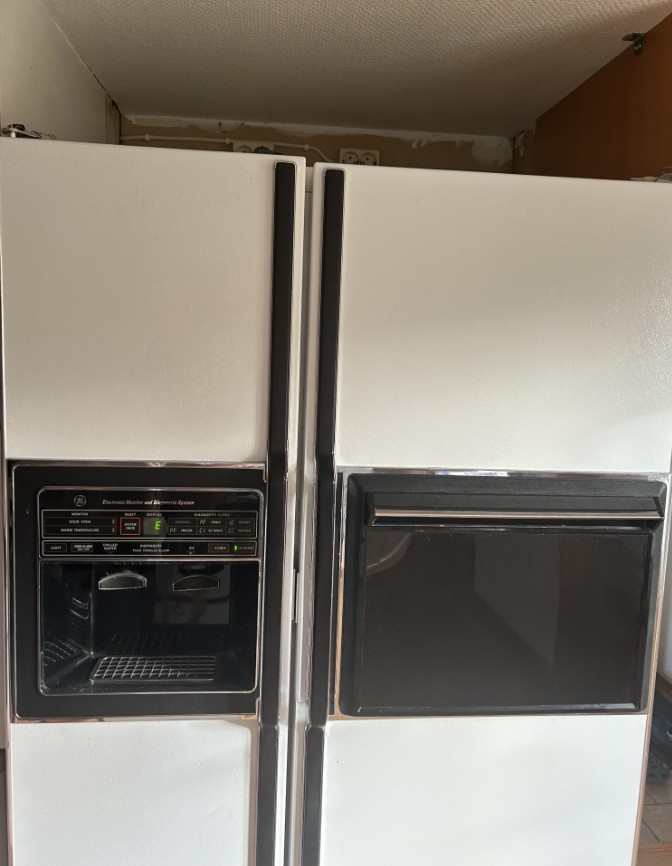
"Pretty sure it's from 1991 after some research," the poster wrote. "I grew up with this fridge and used it now for about 23 years. It came with the house."
The owner added that the unit "still works!" but said that "the plastic spacer on the bottom of the right door broke so we decided it was time for a replacement finally."
Users in the comments shared similar stories of appliances lasting long after their warranties expired.
One commenter wrote, "We have a deep freezer from 1999. Still kicking. Since we bought it we've been through 4 refrigerators."
TCD Picks » Quince Spotlight
💡These best-sellers from Quince deliver affordable, sustainable luxury for all




Some of the reaction focused on whether today's models are built to last the same way, with one commenter saying, "Too bad. The one you replace it with won't be anywhere close to as reliable."
Why does it matter?
The post touches on two practical issues for homeowners: how long big appliances last and what replacement decisions cost.
A fridge that keeps working for more than 30 years can help a household avoid repeated spending on new units, delivery charges, and the disruption of replacing a major appliance every decade or so.
Longer use can matter environmentally as well. Extending the life of a working appliance can reduce the need for new raw materials, manufacturing, and disposal, which in turn can mean less waste entering landfills or recycling systems.
But durability is not the only factor commenters raised. Older refrigerators can also consume more electricity than newer ones.
One person who replaced an older GE unit said, "The new fridge uses half as much electricity so it pays for itself over time."
What can I do?
If you have an older fridge that is still running, it may be worth starting with the basics before assuming it is done for. Replacing worn door gaskets, broken shelves, or small plastic parts can be far cheaper than buying a new unit, and routine coil cleaning can help a refrigerator operate more efficiently.
If a repair is more serious, compare the cost of fixing it with the expected energy savings of a newer model. An appliance that still works but uses a lot of electricity may be costing more each month than it appears.
If you do replace it, look for a model with strong efficiency ratings and fewer extra features that can be expensive to repair. Simpler designs often appeal to buyers focused on lasting value.
Finally, make sure the old unit is hauled away responsibly. Many retailers, municipalities, and utility programs offer appliance recycling or pickup options, and some even provide rebates for upgrading to a more efficient refrigerator.

Get TCD's free newsletters for easy tips, smart advice, and a chance to earn $5,000 toward home upgrades. To see more stories like this one, change your Google preferences here.






