


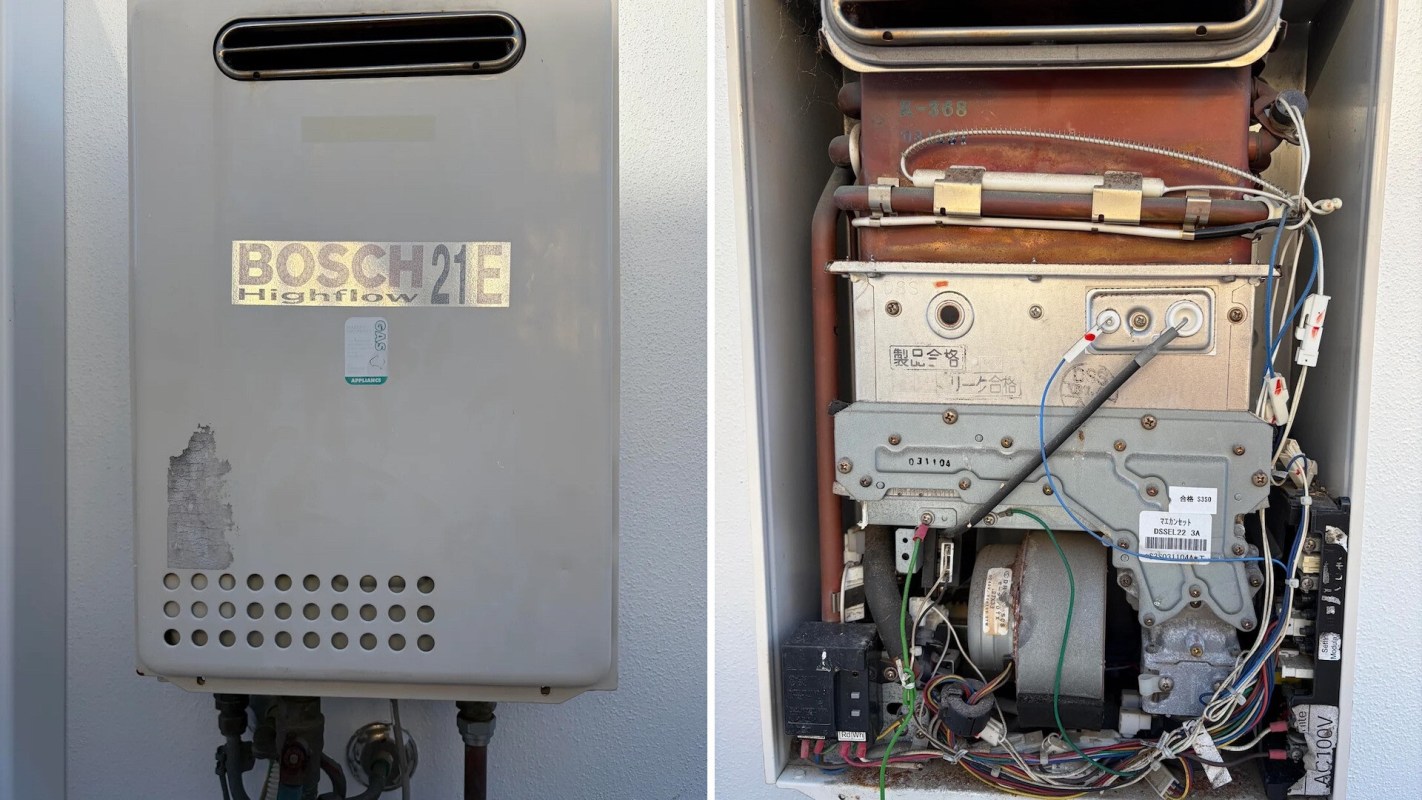
A homeowner in Australia who moved into a house with an aging gas water heater received a blunt warning from a tradesperson online: Yes, the unit may still be serviceable, but once a system gets old, replacement pitches can come fast.
The exchange highlights a familiar dilemma for households deciding whether to repair old gas appliances or use a breakdown as an opportunity to switch to something cheaper to run.
Here's what to know
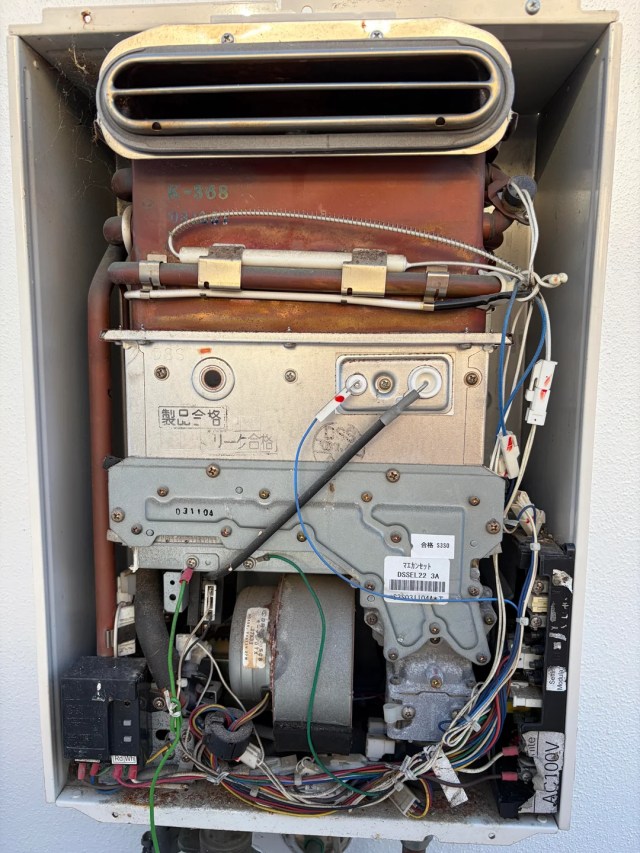
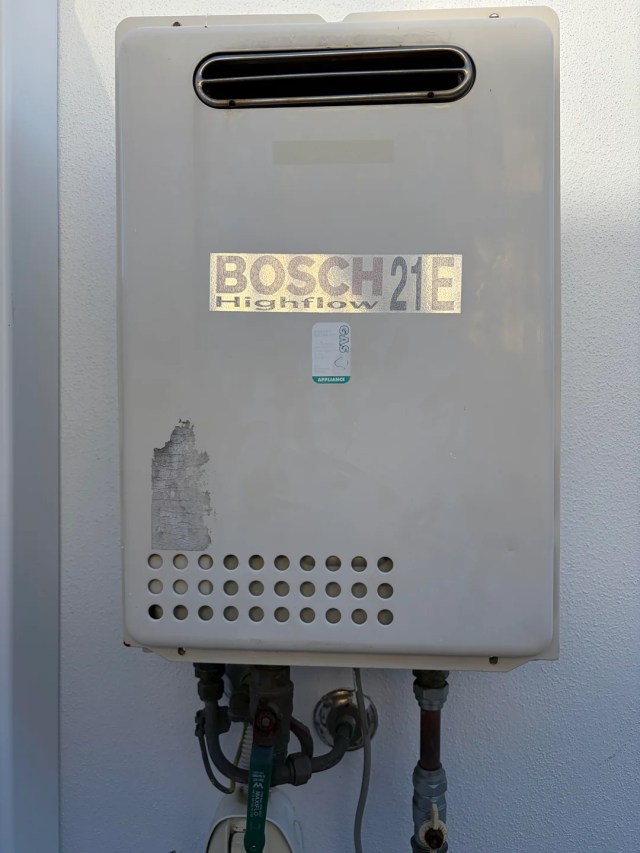
The homeowner said the instantaneous gas unit appeared to date back to the house's 2002 construction.
In a post on Reddit, they described a recurring issue, writing, "Just moved into a new place and the instant gas hot water randomly trips out every week or 2."
They added that a reset would get it working again for "another week or 2."
Heat pump water heaters generally use far less energy than conventional electric-resistance systems and can help households reduce or eliminate gas costs, especially if the home already has solar panels or battery storage.
A self-identified plumber said the old unit was not necessarily beyond repair, writing, "It's serviceable, though I'd be checking the data plate on the side of the unit and just replacing it if it's over 7 years old."
That same commenter cautioned homeowners about anyone too eager to condemn the appliance: "most plumber's will try to convince you that there's some major fault that requires replacing the entire unit because they're not competent at servicing these units."
Crushed by your bills? See instant solar savings from vetted installers in just a few clicks With energy prices through the roof, there's never been a better time to go solar — and EasyHome can help you find the best prices from the best installers in your area. EasyHome takes the guesswork and headaches out of energy upgrades by showing you estimated savings from a network of vetted local partners. To get started, just enter your ZIP and share a few details about your home — seeing your estimate is really that easy. |

More background
A second commenter backed that up with a family example, writing, "Described what happened to my dad… a competent plumber cane by fixed it and left without charging much because it was something stupid."
Still, several users said the heater's age could not be ignored.
One commenter called Bosch units like this "notoriously bad" and said sourcing parts for something that old might be a challenge.
Another wrote, "24 years is a good run — just replaced a similar Bosch that started leaking after 13 years."
Even if a repair is possible, older gas systems can become more expensive and less reliable over time.
And once a homeowner is already considering replacement, higher-efficiency electric options may start to look much more appealing.
What can be done?
Instead of assuming the heater was finished, the plumber said the homeowner should contact the manufacturer and ask for its preferred service representative in the area.
The homeowner indicated they were already weighing replacement options, writing that they had explored "a heat pump and electric storage."
The idea of leaving gas behind altogether seemed to be gaining traction.
As the original poster put it: "I'm tending to head to wards electric storage so we can disconnect gas altogether and have the solar and battery system sort out the hot water."
Where can I learn more?
The Reddit discussion raised two practical questions: whether an aging gas unit is still worth servicing, and what an electric replacement could mean for household costs.
The articles below cover both, with examples showing how lower running costs can factor into the equation — along with maintenance demands and warranty frustrations.
• Homeowners who follow critical maintenance tips can often avoid replacing aging water heaters early.
• Many households find heat pump water heaters cut costs when old gas units fail.
• One GE homeowner saw warranty delays stretch a six-month-old heat pump outage to 30 days.
Read together, they offer a clearer sense of what homeowners may face when deciding whether to keep an older heater running or replace it. That includes the potential savings, as well as the trade-offs and risks that can come with either choice.

Get TCD's free newsletters for easy tips, smart advice, and a chance to earn $5,000 toward home upgrades. To see more stories like this one, change your Google preferences here.






