


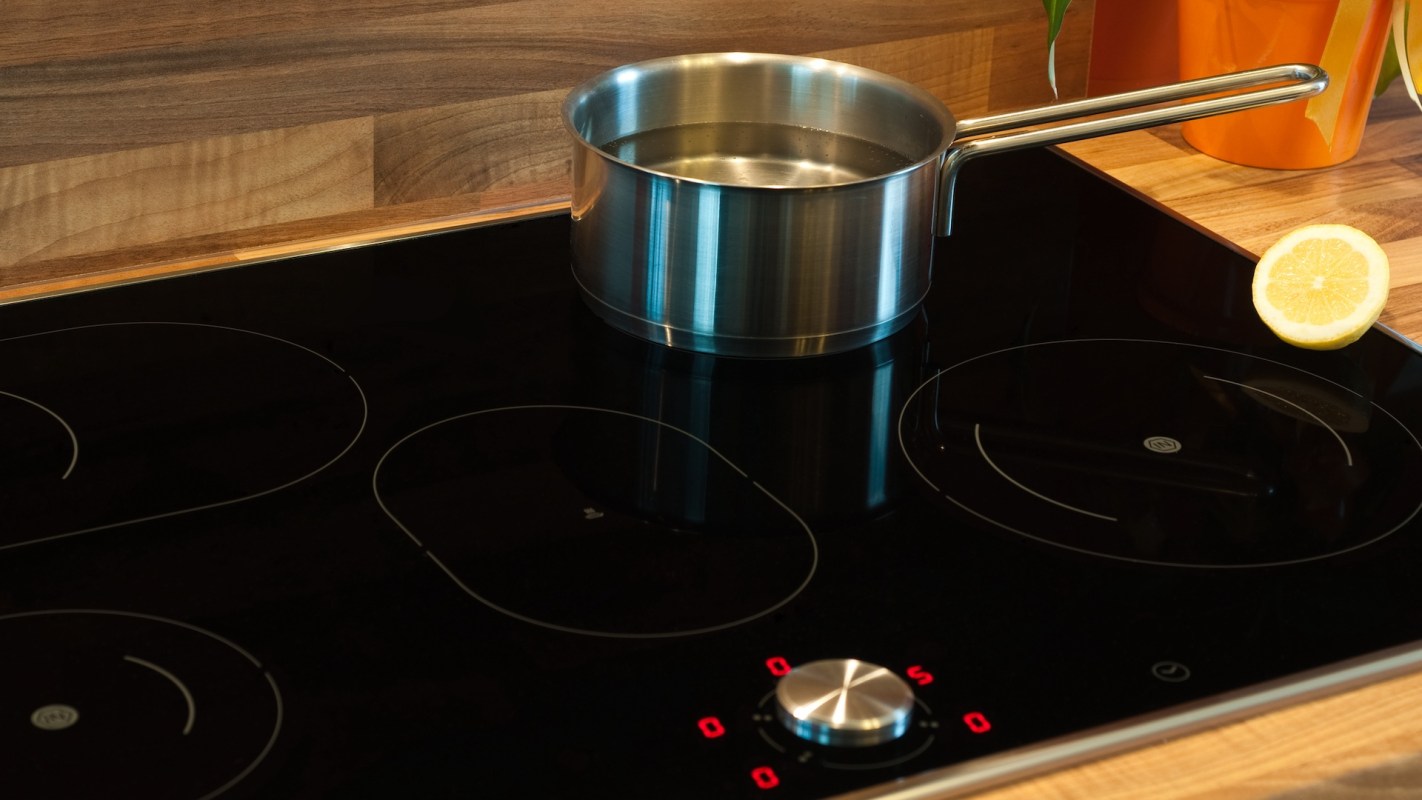
An Australian home cook has reignited one of the debates in the kitchen: gas versus induction.
In a Reddit post, the user argued that a basic gas stove outperformed an induction setup costing roughly $2,000. The site's cooking community overwhelmingly pushed back.
Here's what to know
The original poster wrote that "induction sucks" on Reddit's r/Cooking forum, where they added that "no one can change my mind" and that "I've tried them all."
The OP argued that even though induction is often presented as the premium option, that does not make the choice simple for every shopper. The purchase price, possible electrical upgrades, cookware compatibility, and the overall feel of cooking on it can all affect whether the change seems worthwhile or annoying.
Almost immediately, the OP faced pushback. The top comment reads, "How much are you getting paid to shill for them on Reddit?"
Another user wrote, "This has nothing to do with gas and everything to do with aluminum pans. Aluminum has a much better heat conduction than ferrous metals and, unless you get a dual construction pan with iron and copper, can't be replicated."
TCD Picks » Quince Spotlight
💡These best-sellers from Quince deliver affordable, sustainable luxury for all




Several other users agreed with this sentiment and one commenter added, "You probably got the wrong cookware for it."
An additional commenter described the various benefits of induction, saying, "I do like induction because of the temp control, but moreover the easy cleanup, lack of smell, and not making the entire house 10 degrees hotter in the summer."
Another user added, "And the better lung health for my entire family, and a shot at a world that will still exist for my grandchildren."
In response, a third user linked to a Harvard School of Public Health study that indicates there is "'no safe amount of exposure' to gas stove pollution."
More background
Home electrification is increasingly being promoted as a practical upgrade for everyday living, not only as a health or environmental decision. The kitchen is central to that shift because cooking is one of the most personal ways people interact with appliances at home.
Even so, consumers often run into sticker shock, whether from the price of an induction range or from the wiring work sometimes needed to support one.
For households interested in electrification but hesitant to make a major purchase, a portable induction burner can be a useful first step. It gives people a chance to see how induction feels in real cooking situations without committing to a full kitchen remodel.
It can also help to compare total ownership costs rather than focusing only on the retail price of the stove. Electricity rates, cookware needs, installation costs, and possible gas-service savings can all influence whether induction makes financial sense for a particular home.
If a buyer is serious about making the switch, checking electrical capacity ahead of time can help prevent expensive surprises.
Where can I learn more?
The debate in these stories centers on the same questions about induction, gas, cost, and simple individual preference for either cooking method.
• A homeowner reignited the argument after saying gas still felt easier than induction at home.
• Home cooks insisted you couldn't pay them to return to gas once induction clicked.
• A new homeowner spent months going back and forth before choosing between gas and induction.

Get TCD's free newsletters for easy tips, smart advice, and a chance to earn $5,000 toward home upgrades. To see more stories like this one, change your Google preferences here.






