


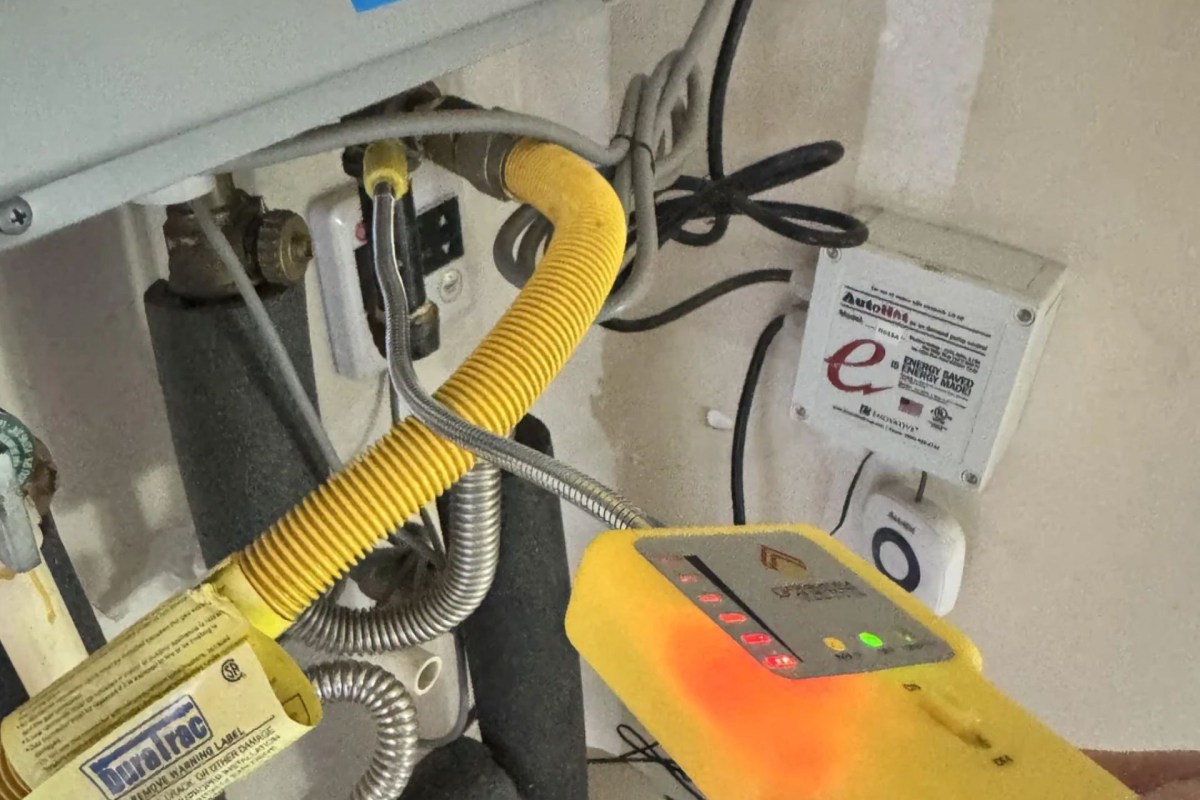
A homeowner who noticed a gas leak near a tankless water heater connection took the right first step: shutting off the gas and asking for help instead of trying to forge ahead.
For households weighing whether to repair or replace an aging gas appliance, a heat pump water heater may be worth considering. These all-electric systems also eliminate the need for an in-home gas connection.
What happened?
The issue surfaced in a Reddit post where the homeowner shared a photo of the suspected leak and wrote, "First time having any issue with this guy. I've never had to touch gas before. If this is on the connection joint, is it an easy fix?"
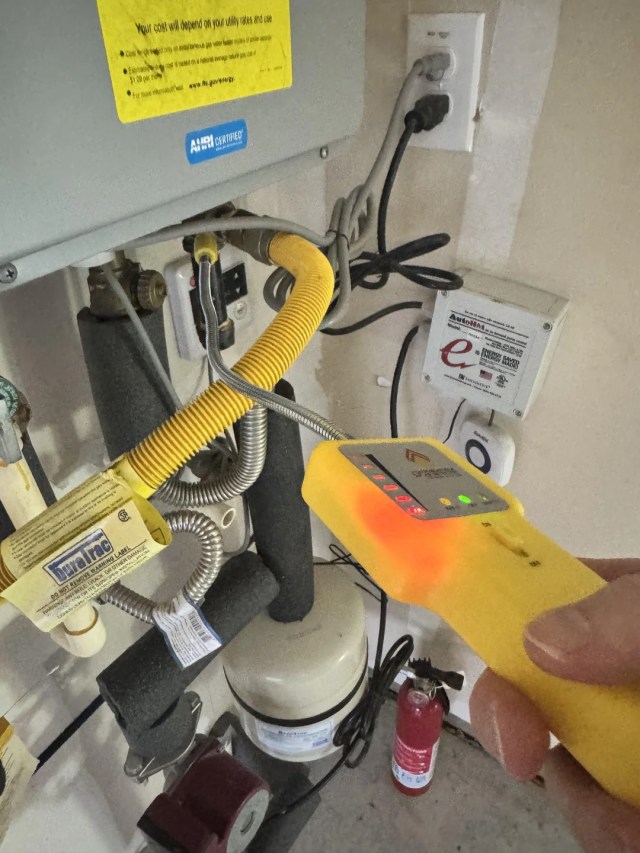
While waiting to hear back from their regular plumber, the poster described the safety step they had already taken: "I have turned off the gas to this connection so it should be stopped for now."
One commenter floated a possible fitting repair and wrote, "Just make sure the gas is off before you try this. Then check with soapy water in a spray bottle and look for bubbles."
A different user urged leaving it to a pro: "I feel like this is not a Reddit question and that you should get a licensed technician to resolve this. Gas is no joke."
Why does it matter?
Even a small gas leak can quickly become a serious problem. Beyond the immediate fire and explosion hazards, leaking gas can waste energy and drive up utility bills, even if the issue appears limited to a single joint or connection line.
It also raises a home-upgrade question: whether it makes more sense to keep repairing combustion-based appliances or switch to electric alternatives. Heat pump water heaters eliminate on-site gas combustion altogether, meaning there is no gas line to the appliance and no chance of that type of leak occurring at the unit.
Save $10,000 on solar panels without even sharing your phone number Want to go solar but not sure who to trust? EnergySage has your back with free and transparent quotes from fully vetted providers in your area. To get started, just answer a few questions about your home — no phone number required. Within a day or two, EnergySage will email you the best options for your needs, and their expert advisers can help you compare quotes and pick a winner. Solar panels can save you more than $50k over their 25-year lifespan, and EnergySage can help you save as much as $10k on installation. Which begs the question — isn't that worth an email or two? |

They can also be much more efficient. For many households, that can translate into meaningful savings, depending on hot water use, local energy costs, and the type of water heater being replaced.
What can I do?
If you suspect a gas leak at home, shut off the gas if you can do so safely, avoid sparks or open flames, leave the area if necessary, and contact a licensed professional or your utility provider. Online advice can be helpful, but gas work requires extra caution.
If your current water heater is nearing the end of its lifespan, it may be worth comparing replacement options instead of continuing to spend money on repairs. Federal tax credits and local rebates can help reduce the upfront cost of efficient electric models.
For homeowners already thinking about replacement instead of another repair, Cala is one company to know. Its customizable smart heat pump water heaters help homeowners decrease their energy bills by heating water exactly when it's needed.
That approach can help cut wasted energy without leaving people short on hot water for showers, dishes, or laundry. Cala's system is built around household usage patterns, which can make the switch to electrified water heating feel more practical for busy families.
It is also worth checking for rebates and tax incentives before buying a new unit, since those programs can bring down upfront costs. For homeowners ready to move away from gas altogether, a smart heat pump model from Cala could offer both bill savings and added peace of mind.

Get TCD's free newsletters for easy tips, smart advice, and a chance to earn $5,000 toward home upgrades. To see more stories like this one, change your Google preferences here.






