


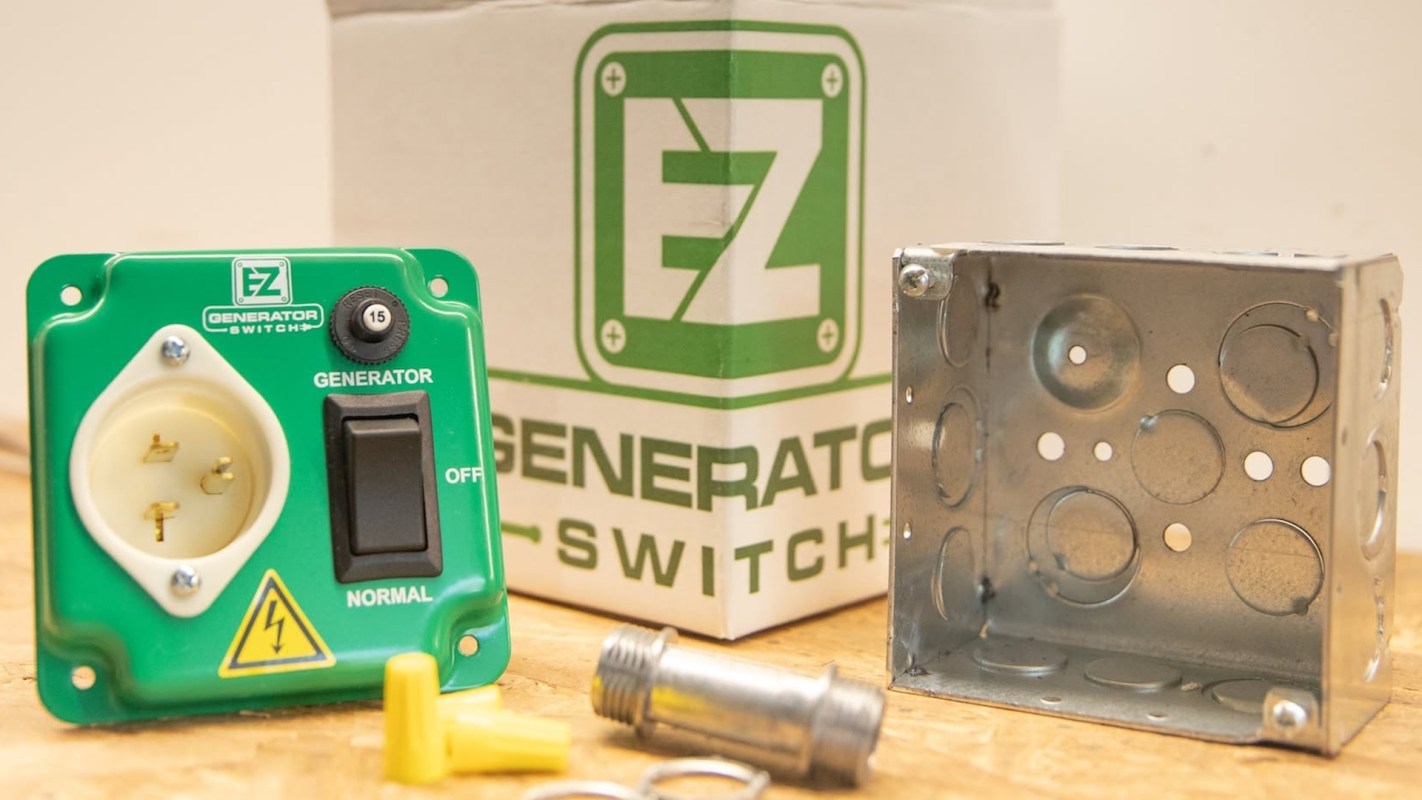
When the power fails in winter, a gas furnace may stop working even if the gas service itself is still on.
On Reddit, one prepper said an $80 installation gave them a way to keep that heat running from a portable power station or generator during an outage.
Here's what to know
After keeping it on a wishlist for about a year, a user in the r/TwoXPreppers community said in a Reddit post that they decided to buy an EZ Generator Switch. They said their home uses a gas furnace, but that equipment still relies on electricity to start, so a blackout could still leave the house without heat.
The poster said they already owned two 1000-watt-hour power stations and a gas generator, and wanted a way to connect that backup power to the furnace. As they explained, "Just flip the switch to generator, plug in your power station and you're good to go!"
Rather than install it themselves, they said they hired a contractor, who completed the job for $80 in under half an hour. They also said the product is made in the U.S. and that having it in place gave them more peace of mind.
Referring to a neighbor's similar setup, one commenter described it as "a relatively cost efficient way to ride out a power outage."
TCD Picks » Quince Spotlight
💡These best-sellers from Quince deliver affordable, sustainable luxury for all




More background
A gas furnace is not the same thing as an off-grid heating system. In the thread, the poster said their furnace burns gas for heat but still needs electricity to get going, and a commenter noted that startup can involve the ignitor, the inducer fan, and the main blower. So even if the gas keeps flowing, a loss of grid power can still shut down the heat during cold weather.
Commenters also pointed to a couple of technical issues: one said the poster should make sure the power station can handle the furnace's startup load, while another said newer furnaces may require a bonded-neutral setup that many power stations do not provide by default.
Another commenter described a rural neighbor with a switch that could power several circuits, including the kitchen, bathroom, main bedroom, a basement storage room with a freezer, and a well pump.
What can be done?
The first step is deciding which appliances matter most in a blackout. For many households, that means prioritizing heat, refrigeration, and a few lights or outlets instead of trying to run the whole house.
It also helps to confirm the electrical demands of the furnace or other essential loads before assuming a portable power station can handle them. In the thread, the original poster checked their furnace model information after commenters raised the concern and then compared it with the output limits of their power stations.
People in the thread also emphasized that installation quality matters. A switch connected to a home's electrical system can be a practical way to use backup equipment a family already owns, but it still has to be installed safely and correctly.
The original poster said, "I found someone who did it for under $100, which I felt was a fair price," and a commenter added, "Also why its something you want to hire a qualified electrician to install."
Where can I learn more?
Households use a range of backup options during outages. The stories here look at EV backup power, portable batteries, and larger home systems that can keep key appliances running when the grid goes down.
• During hurricane season, one homeowner used an EV as backup power instead of firing up a generator.
• An energy expert said the least expensive backup for outages can still cover household basics.
• More homeowners are opting for these next-gen models instead of traditional backup generators.

Get TCD's free newsletters for easy tips, smart advice, and a chance to earn $5,000 toward home upgrades. To see more stories like this one, change your Google preferences here.






