


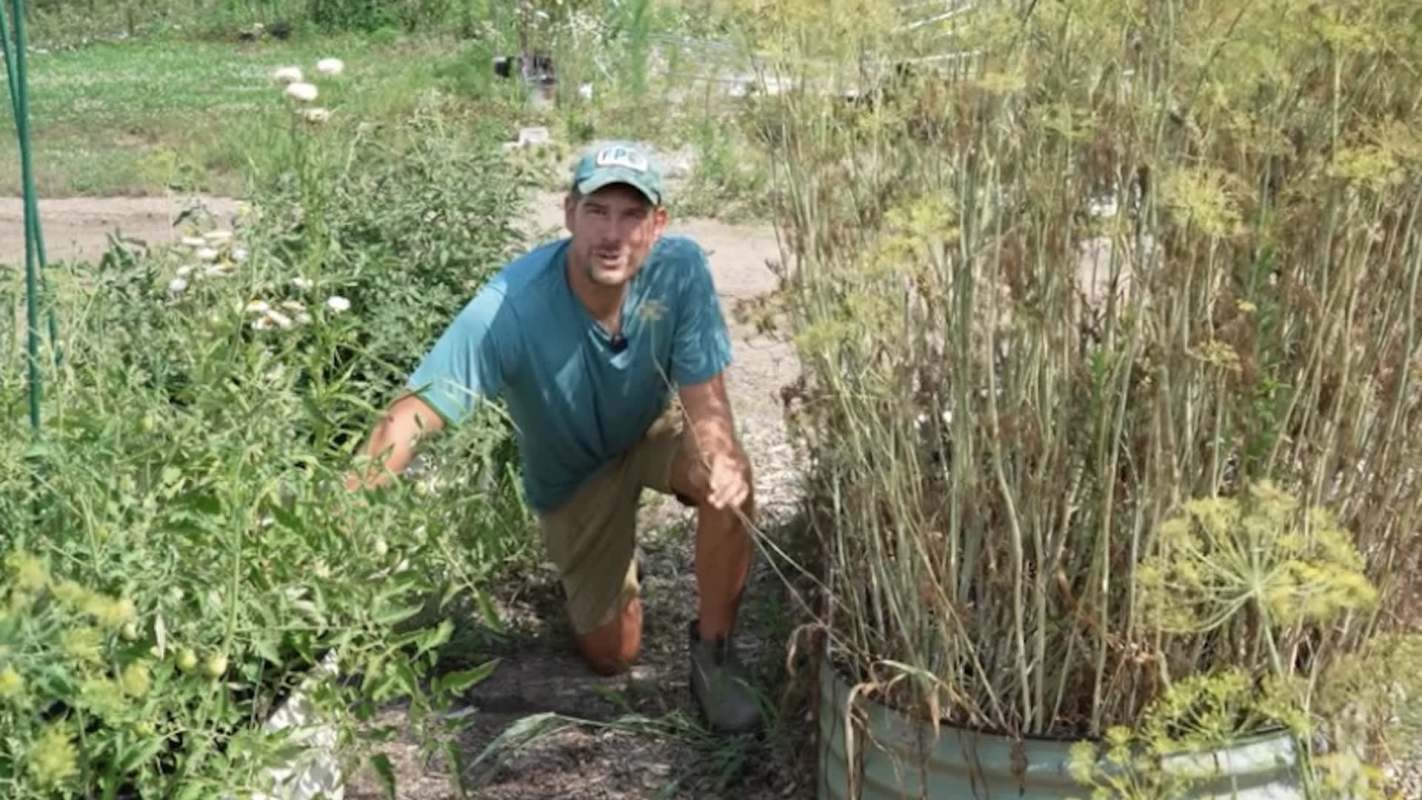
A Michigan gardener set out to see whether a thick stand of dill could help garlic make it through hot, dry weather.
His experiment appeared to work, with some of the garlic bulbs growing to nearly baseball size. But by the time harvest season arrived, the extra moisture had created a problem of its own.
What happened?
In a garden harvest update video on YouTube, Michigan Gardener Luke Marion said dense dill in a raised bed with about 75 garlic heads helped keep weeds down while shading the soil and helping it stay moist.
By the time he harvested in late July, the tradeoff was obvious. Many bulbs would not come up cleanly because their softened necks snapped during pulling.
"Oh no! The added moisture from the dill has definitely posed a bit of a problem with breakage. I should have harvested these soon," he said.
Despite that setback, Marion said the crop size stood out, particularly around the edges of the bed. After pulling one especially large bulb, he said, "Wow! Oh my gosh! That is the biggest head of garlic I have quite literally ever grown, and that's not an exaggeration. That is absolutely massive."
TCD Picks » Quince Spotlight
💡These best-sellers from Quince deliver affordable, sustainable luxury for all




Commenters also offered practical suggestions. One wrote: "My take away would be to accept the dill as sacrificial and pull it, making it easier to harvest the garlic."
Why does it matter?
Marion said the bed made it through six weeks without rain and never needed watering, highlighting how companion planting and ground cover may help gardens stay more resilient during hot, dry weather.
The same idea can extend beyond vegetable gardens. Replacing all or part of a traditional lawn with lower-maintenance options such as native plants, clover, buffalo grass, or xeriscaping can reduce mowing, lower maintenance costs, and cut water bills.
If he revisits the setup, Marion said he may harvest sooner, plant the dill later, or try similar companion crops that do not grow quite as tall.
"Gardening does not have to be black or white," Luke said.
He also described the trial as preliminary, saying, "One year is not enough of a sample size to determine if this is worth doing or not."

Get TCD's free newsletters for easy tips, smart advice, and a chance to earn $5,000 toward home upgrades. To see more stories like this one, change your Google preferences here.







