


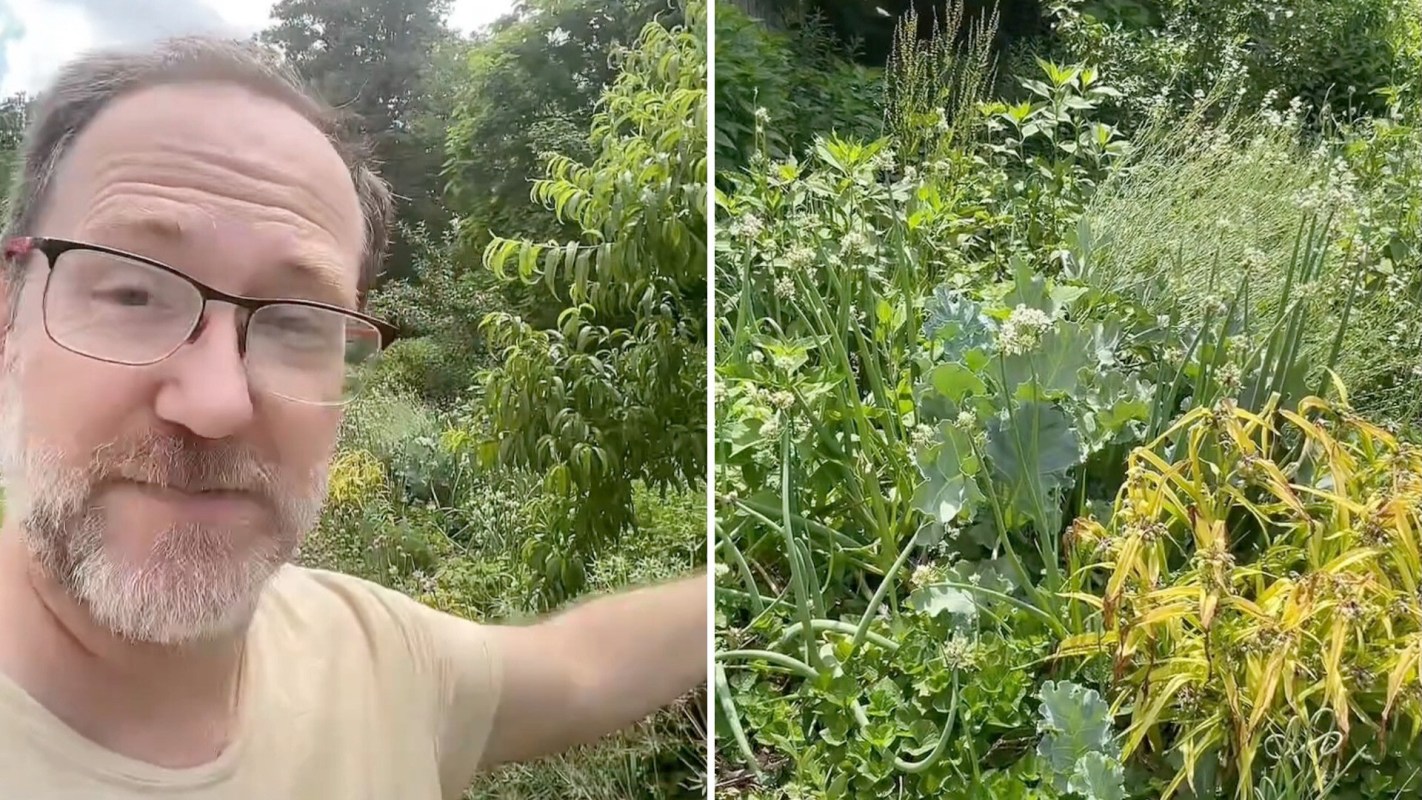
One TikTok video is prompting gardeners to rethink one of the most common yard battles: the war on weeds.
In the clip, permaculture expert Mike Hoag notes that so-called "weeds" should not be seen as automatic pests but as plants that may help worn-out soil recover and push your yard toward a healthier, food-producing system.
What happened?
In the video, Hoag, who uses the handle Transformative Adventures, argues that much of standard garden maintenance is really "us just fighting against nature."
@transformativeadventures #homesteading #foodforest #garden #permaculture #gardentok ♬ original sound - Mike Hoag
Set in a permaculture-style food forest, Hoag suggested that the plants people dismiss as "weeds" often show up where soil is bare and "lifeless."
Hoag explained that, "as soon as you stop mowing it, the grass grows up, and other plants show up to try to make it a home and improve it too. We call those weeds," adding that "Every lawn is going to become a diverse edible meadow and eventually a food forest system… Most plants are edible to something."
According to the self-described plantsman, gardeners who keep "soil covered and grow a wide variety of plants" can build "healthy diverse ecosystems instead of just vegetable gardens," resulting in "a lot less work to do" and often "more produce out of it."
TCD Picks » Quince Spotlight
💡These best-sellers from Quince deliver affordable, sustainable luxury for all




Why does it matter?
More homeowners are moving away from high-maintenance lawns and toward yards that are cheaper, easier, and better for local wildlife.
Traditional grass lawns can require regular mowing, watering, fertilizing, and weed control, all of which take time and money.
Replacing even part of a lawn with native plants can help lower water bills, cut maintenance, and support bees, butterflies, and birds at the same time.
Homeowners who like the idea but are not ready for a full food forest still have low-maintenance options.
Native-plant lawns, clover, buffalo grass, and xeriscaping can all reduce upkeep while making yards more resilient in heat and drought. Even a partial lawn replacement can bring many of those benefits.
Homeowners curious about these benefits should look into how to rewild their yard or upgrade to a natural lawn.
What are people saying?
Commenters were enthusiastic about the less rigid, more nature-friendly approach.
One wrote, "I love this way of thinking. I've been letting my garden go to more of a wildflower meadow and while it's not perfect yet, I have gotten so many lovely little surprises. And the bees and butterflies love it!"
Another added, "I've been identifying and cataloging all the plants on my new farm. Very few are 'weeds.'"
A third shared their own lawn transition: "I've started pulling up my grass and now have mock strawberries, wild violets and wood sorrel popping up on their own. I'm so happy! No mow lawn soon I hope."

Get TCD's free newsletters for easy tips, smart advice, and a chance to earn $5,000 toward home upgrades. To see more stories like this one, change your Google preferences here.






