


If vinegar gets dumped on a garden bed, the first response may be surprisingly simple: Flood the area with water as quickly as possible.
The goal is to dilute and flush the acid through the soil before it can cause even more damage to roots and nearby plants.
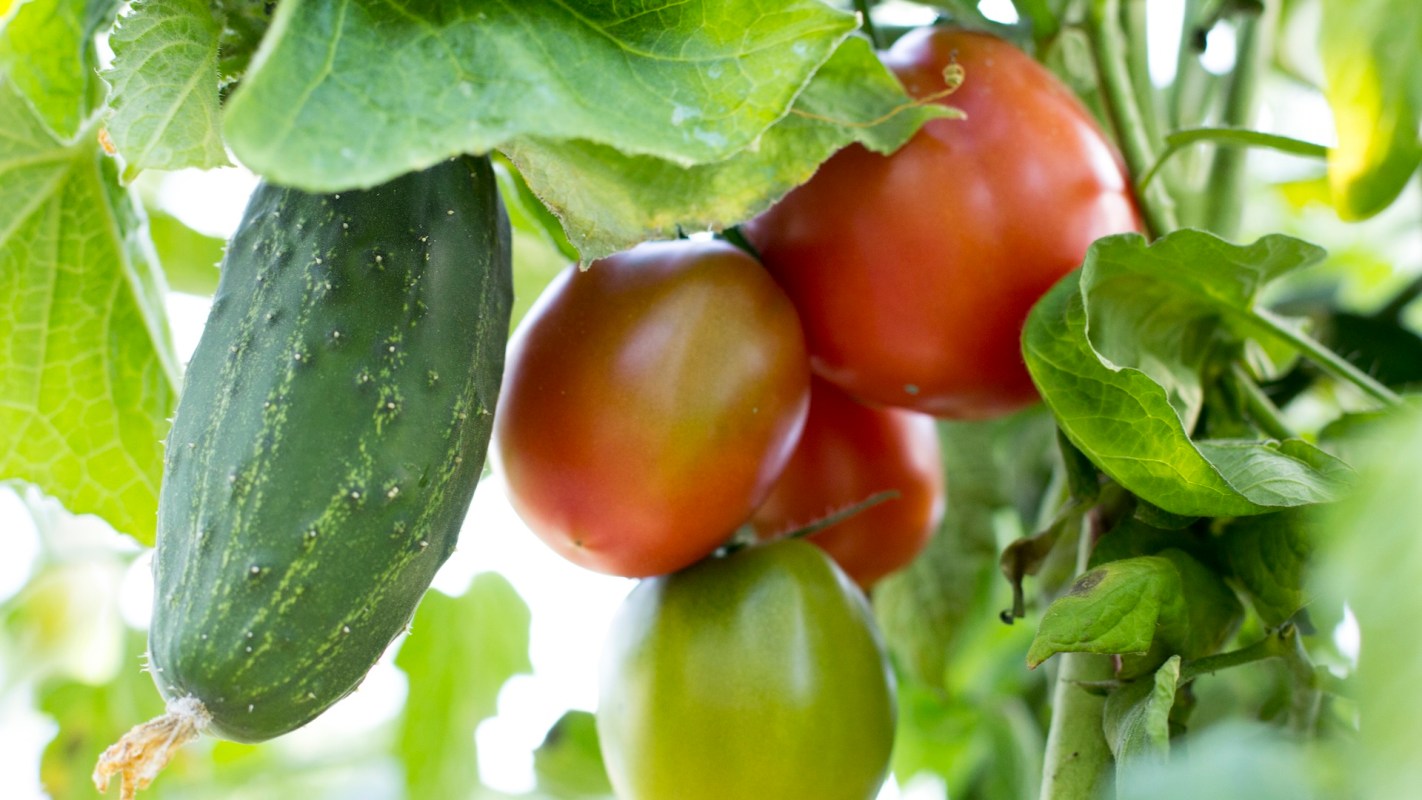
That was the main takeaway from a Reddit discussion after one gardener said a neighbor had poured what smelled like concentrated vinegar onto a vegetable garden containing tomatoes, beans, peas, cosmos, and cucumbers.
The original poster said the plants were the "main targets" and asked: "Can I do anything to undo the acidity or negate the vinegar?"
Commenters overwhelmingly agreed on the first step: If the garden bed drains well, water it heavily — and keep watering.
"Dilution is the solution," several gardeners repeated throughout the thread.
TCD Picks » Quince Spotlight
💡These best-sellers from Quince deliver affordable, sustainable luxury for all




The idea is to wash as much vinegar as possible away from the root zone rather than immediately trying to fix the soil with additional products or chemicals.
"I would also put up a shade cloth for a few days if they are in full sun, just to take a little stress off them," one commenter suggested. "Unfortunately, most of them will probably not survive, but it's worth a try."
Several people also cautioned against rushing to add lime, baking soda, or other substances to neutralize the acidity.
While a few commenters suggested those options, others warned that adding another strong material too quickly could create new imbalances in the soil and potentially worsen the damage.
The more cautious consensus was to flush the area first, monitor the plants, and reassess later if needed.
Some gardeners pointed out that if concentrated vinegar directly hit leaves and stems, parts of the plants may already be chemically burned beyond recovery. For container plants, a few users suggested replacing the soil entirely.
The potential payoff for acting quickly is significant. Saving even part of a crop can help gardeners avoid replacing expensive plants and supplies after already investing money into seeds, soil, water, fertilizer, and trellises.
There are environmental benefits as well. Healthy home gardens can reduce packaging waste, cut transportation-related pollution tied to store-bought produce, and lower reliance on resource-intensive landscaping practices.
The thread ultimately became a mix of sympathy, practical advice, and debate about soil chemistry.
Most commenters agreed on one thing: Water heavily if drainage allows it.
"Pray for rain or turn on the sprinkler system overnight," one person wrote. "Literally flood the area and dilute the acidity."
And in true Reddit fashion, at least one person tried to lighten the mood, joking, "If you pour vinegar on cucumber plants, do you grow pickles?"

Get TCD's free newsletters for easy tips, smart advice, and a chance to earn $5,000 toward home upgrades. To see more stories like this one, change your Google preferences here.






