


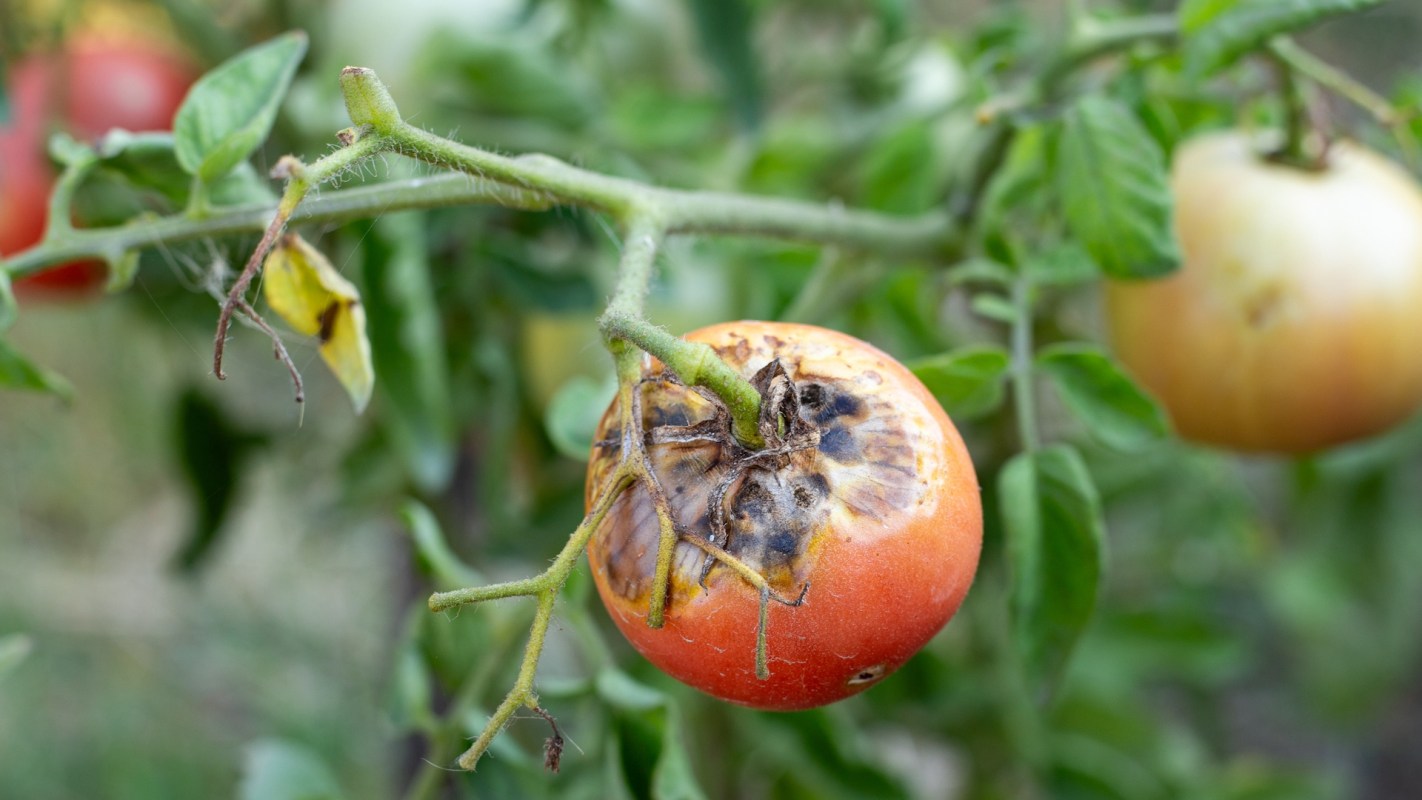
A backyard garden can take months — or even years — of planning, watering, and patience. For one home grower, that effort appears to have been wiped out overnight after a neighboring lawn treatment drifted across the property line.
In a post on Reddit, the gardener wrote that "all of my peppers, my tomatoes, my okra, and half of my sweet potatoes all were withered up and dead."
What happened?
The day before the plants died, a lawn crew had treated the neighboring yard, and the gardener said the damage appeared to come "from one direction." They estimated the loss at "a couple hundred dollars worth of crops" and wrote: "I'm assuming wind drift swept it to my plants and killed them."
Commenters quickly shifted from sympathy to practical advice, urging the original poster to identify the lawn company, document the damage, and seek accountability.
Why does it matter?
For many people, a backyard garden is more than a hobby. It can help stretch grocery budgets, provide fresh food close to home, and give growers more control over what ends up on the dinner table. Losing that work in a single day is understandably devastating.
A second issue in the discussion was what the incident might mean for the soil and any future food grown there. Some commenters said a lawn company may have used broadleaf herbicides such as 2,4-D or dicamba, which can drift off-target or volatilize in hot conditions. When chemicals move off-target, they can damage not only plants but also trust between neighbors, as well as confidence in growing food locally.
TCD Picks » Quince Spotlight
💡These best-sellers from Quince deliver affordable, sustainable luxury for all




What can I do?
The main advice in the thread was to act quickly.
One top commenter said the gardener should report the incident to the state agriculture regulator because "spraying herbicide and letting it drift is a crime." They also recommended that the OP contact the neighbor to ID the lawn company and send them photos with an itemized replacement list.
People also urged the gardener to document the damage with dated photos, video of the garden, and soil samples. One Reddit user warned that any samples should stay in the gardener's possession: "DO NOT turn them over to the landscaping company!"
Another recommendation was to ask for the exact chemicals that were applied and check them in the National Pesticide Information Retrieval System (NPIRS) database, which uses Environmental Protection Agency data to provide information on pesticides. Commenters said that could help show whether it may be safe to replant soon or whether more testing is needed.
One user also suggested planting sunflowers as a possible soil-remediation step while the gardener decides what to do next.
Although the poster was hesitant to "start anything," many in the community pushed for accountability.
"I probably lost a couple hundred dollars worth of crops, which is one thing, but I'm mostly just sad that all my work and care ended with no quick way to recover," the gardener added.

Get TCD's free newsletters for easy tips, smart advice, and a chance to earn $5,000 toward home upgrades. To see more stories like this one, change your Google preferences here.






