


A gardener who thought they were raising heirloom cherry tomatoes ended up nurturing something entirely different.
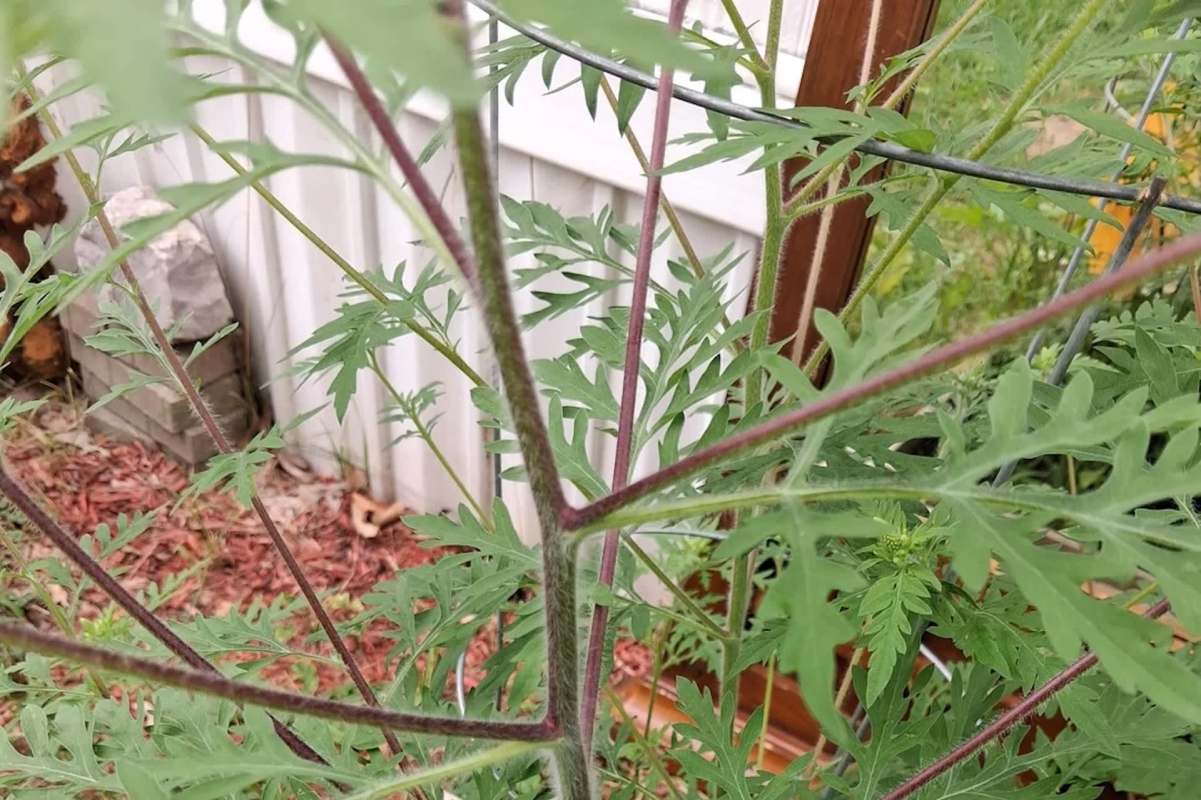
In a Reddit post titled "What the frick am I growing?" the original poster shared photos of a nearly 4-foot-tall mystery plant that had taken over the spot where tomato seedlings were supposed to be.
What happened?
Months of care went into the plant before the gardener realized it was no tomato. In their post on Reddit, they said the mix-up started after their "heirloom cherry tomato seedlings were flung out my green house," leading them to replant the seedlings alongside zucchini, bell peppers, and jalapeños.
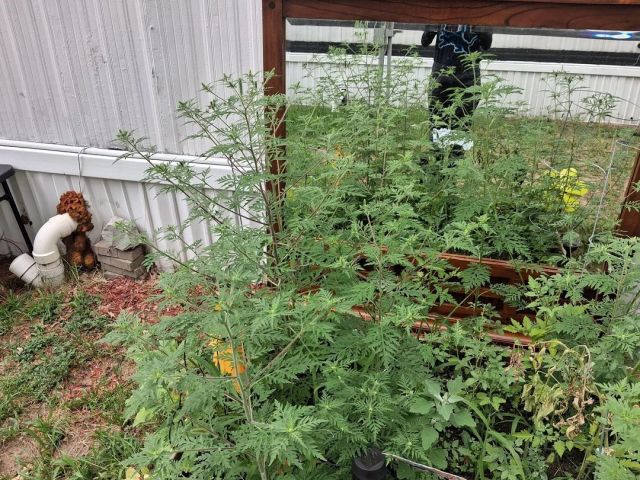
But because the unknown plant looked enough like a tomato when it was small, it did not raise concerns right away. It took two months for the gardener to become concerned.
"What have I been growing!" the original poster wrote, adding, "This thing is nearly 4ft tall now. What is it and why did it eat my babies?"
Commenters were quick to identify the unexpected guest.
TCD Picks » Quince Spotlight
💡These best-sellers from Quince deliver affordable, sustainable luxury for all




"That's a very large, robust ragweed plant. Sorry," one person wrote.
"Poor guy's been meticulously watering and fertilizing it for weeks!" another commenter joked.
A third person said, "This was the saddest, funniest, most infuriating thing I've read all year."
Why does it matter?
Ragweed can cause serious problems in a home garden.
It uses sunlight, water, and nutrients just like other plants do, and it can take a lot of energy to manage. If it is allowed to go to seed, it can spread quickly and create an even bigger problem for gardeners later on.
Ragweed pollen is a major seasonal allergy trigger for many people, making the plant especially unwelcome in yards and raised beds. Letting a plant like that mature can mean more sneezing, itchy eyes, and extra yard work down the line.
If a plant in your garden starts to look unfamiliar, identify it before it flowers or goes to seed. Pulling troublesome weeds early can save gardeners time, money, and frustration, especially in vegetable beds where space is limited.
For homeowners looking to make broader changes, replacing even part of a conventional lawn can bring lasting benefits. Local plants, clover, buffalo grass, and xeriscaping can all help reduce maintenance, lower water bills, and cut back on the time spent mowing or treating a yard.
Lawns with local plants can also support pollinators and strengthen local ecosystems while making outdoor spaces more resilient.

Get TCD's free newsletters for easy tips, smart advice, and a chance to earn $5,000 toward home upgrades. To see more stories like this one, change your Google preferences here.







