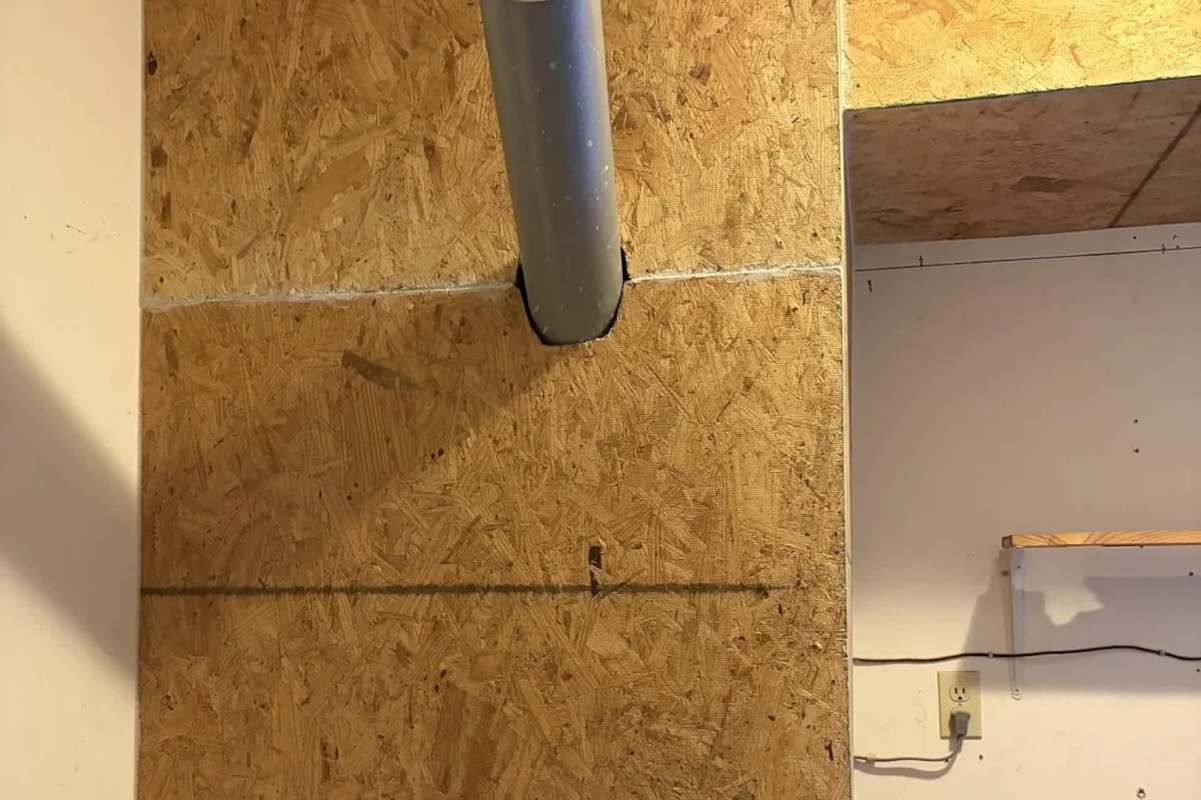
A post shared on Reddit is sparking frustration for a reason many homeowners will immediately recognize: It appears to show a furnace completely sealed behind OSB during a remodel.
If the setup is exactly what it looks like, users suggest it is more than just ugly workmanship. It could create serious safety, access, and inspection problems.
Here's what to know
Calling the work a failed money-saving move, the OP said the contractor had "wasted a bunch of money" by not using a professional.
They added, "The entire furnace is sealed in behind this osb. And the GC thinks they are going to get approved with the inspection…."
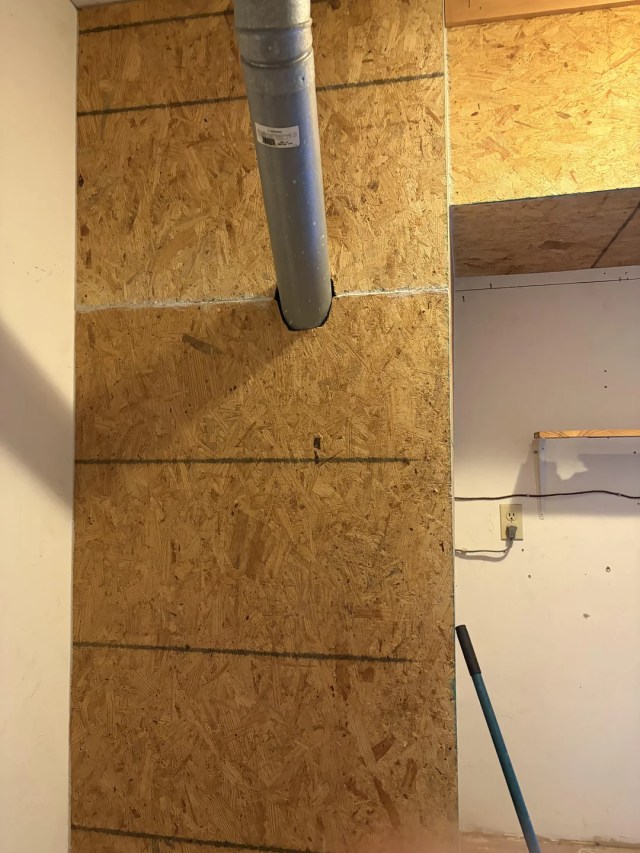
One user said, "I hope they have smoke & CO alarms."
Another user commented, "Won't need it. The furnace won't fire off for long enough. It needs to air to fkn burn."
TCD Picks » Quince Spotlight
💡These best-sellers from Quince deliver affordable, sustainable luxury for all




That concern was echoed elsewhere in the thread, where one person said that "Against code installs get approved all the time," suggesting that inspection standards can vary widely.
More background
Furnaces generally need adequate clearance, airflow, and enough access for technicians to safely inspect, repair, and eventually replace components.
Sealing one behind sheathing can make routine maintenance much harder and can turn a basic service visit into a demolition project.
HVAC systems are expensive, and poor installation work tends to cost homeowners twice: first during the remodel, and then again when the system fails, runs inefficiently, or requires invasive repairs.
In a worst-case scenario, poor combustion or blocked ventilation can increase the risk of carbon monoxide exposure.
Unsafe work can put neighbors, future buyers, tenants, and emergency responders at risk, while also creating unnecessary waste through damaged materials and shortened equipment life.
For homeowners already dealing with high utility bills, that kind of avoidable mistake can be especially expensive.
What can be done?
One of the best protections is asking questions before drywall or sheathing goes up. Homeowners can ask whether the HVAC work was permitted, whether required inspections are scheduled, and whether the installer is licensed for the type of system being installed or altered.
It can also help to request photos of mechanical spaces before they are enclosed and to keep manufacturer manuals on hand.
If a furnace, air handler, or water heater looks difficult to reach, that is worth flagging immediately before walls are finished and repair costs rise.
Basic safety devices matter too. Working smoke alarms and carbon monoxide alarms are essential backups, especially in homes with fuel-burning appliances.
They are not a substitute for proper installation, but they can provide critical warning if something goes wrong.
Cutting corners on home systems rarely saves money for long.
Where can I learn more?
Warning signs feel familiar: mechanical and ventilation work gets boxed in, overlooked, or approved despite obvious problems. The result can be the same for homeowners and tenants alike — bigger safety concerns, messier repairs, and costs that climb fast.
• On Reddit, a homeowner learned 180 ppm is too high near a new furnace.
• A renter discovered a fake ventilation fan and suspected building-code cheating.
• After routine service, a homeowner faced a suspicious $20,000 quote for AC work.
• After closing, a homebuyer uncovered an inspector's $12,000 mistake tied to missing HVAC equipment.
They're a good reminder to catch HVAC and ventilation problems before they disappear behind finished walls. After the work is closed up and signed off, even a simple fix can turn into a far more expensive headache.

Get TCD's free newsletters for easy tips, smart advice, and a chance to earn $5,000 toward home upgrades. To see more stories like this one, change your Google preferences here.