


A Detroit-area resident with no financial breathing room faced a pressing question as temperatures began to drop: "What would you do if your furnace stopped working?"
After months of furnace trouble, they turned to Reddit for advice when a frigid morning found them indoors at 35 degrees Fahrenheit. Fortunately, commenters said the problem might be a relatively low-cost repair rather than a full system replacement.
Here's what to know
In r/povertyfinance, the Michigan resident said their furnace had been buzzing for months before it stopped sending any air through the vents.
"Now it's getting to the point where it is FREEZING in the mornings and I seriously do not know what to do," they shared. With their house hovering around 59 degrees, they had been running a "little fireplace heater" that raised indoor temperatures to 65, but they worried their pet cats would be too cold when they turned it off to go to work.
Previous debt from emergencies and lack of family support meant they were trying to get by delivering food part-time and selling their belongings online.
"I applied to State Emergency Relief this morning through MiBridges, but genuinely, what else can I do? I can't even afford a diagnostic for the repair," they shared.
Several commenters thought the fix may not be as expensive as it seemed.
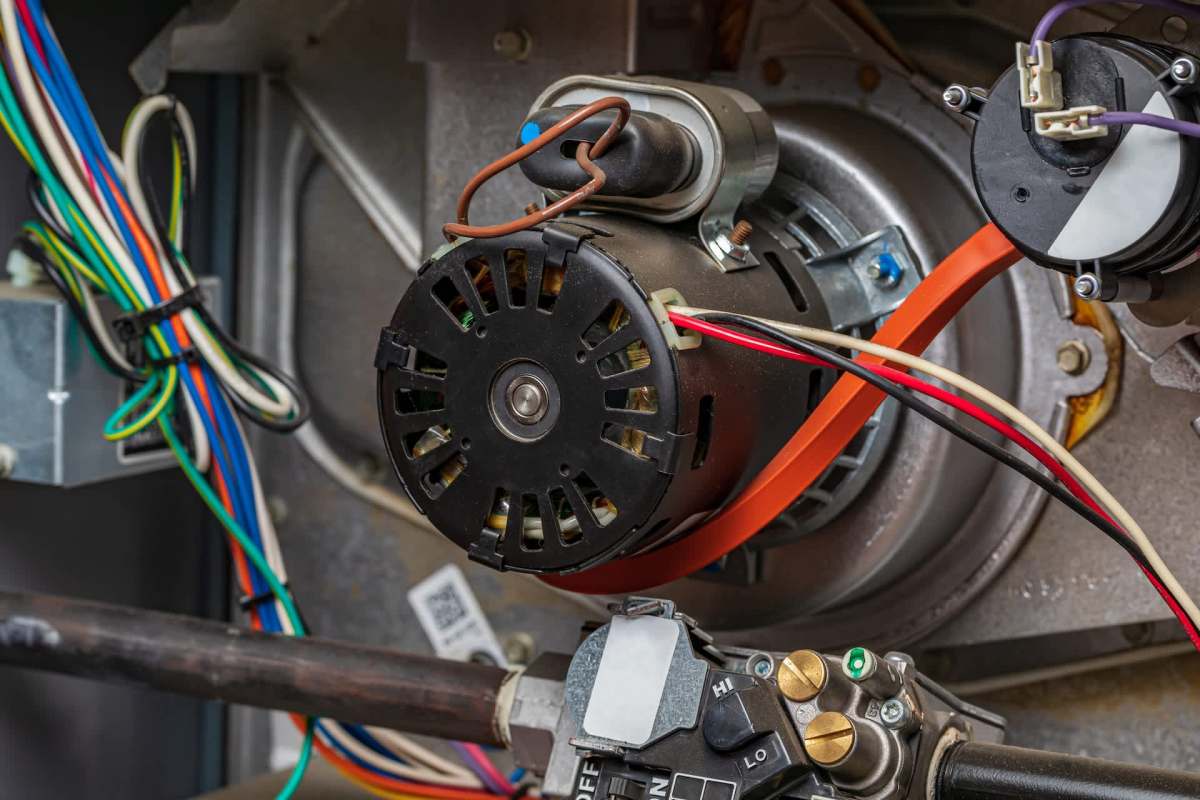
"No air blowing out the vents means your blower is toast. One of the easiest and cheapest HVAC repairs to do yourself," one person said.
Crushed by your bills? See instant solar savings from vetted installers in just a few clicks With energy prices through the roof, there's never been a better time to go solar — and EasyHome can help you find the best prices from the best installers in your area. EasyHome takes the guesswork and headaches out of energy upgrades by showing you estimated savings from a network of vetted local partners. To get started, just enter your ZIP and share a few details about your home — seeing your estimate is really that easy. |

"HVAC guy wanted $500 bucks to replace capacitor, part cost $12 online and took 40 minutes to replace. YouTube videos are your friend," another recommended.
What can be done?
Others assured the OP that the cats would be OK at 59 degrees. The bigger issue, they said, was that the pipes could freeze if outside temperatures dropped too low. Also, "carbon monoxide is a real risk using propane or kerosene heaters in an enclosed place," another wrote.
Commenters said switching the thermostat to fan-only mode, checking whether a digital thermostat still worked without batteries, and looking for blinking furnace codes could help diagnose the issue. Another said a similar problem in their home turned out to be a dusty igniter, which they fixed by shutting the furnace off, removing the cover, and carefully vacuuming inside.
In the long term, upgrading heating and cooling is one of the best ways to cut utility bills and protect against rising energy costs, but for people squeezed by rising costs on every side, the upfront cost can make switching to more efficient HVAC options daunting. Palmetto can connect you with vetted installers, and its Comfort Plan includes $0-down options.
Palmetto's Comfort Plan can cut heating and cooling costs by up to 50% and includes 12 years of free maintenance. Homeowners can also pair solar panels with electric appliances, including efficient HVAC systems, to lower utility costs even further, and EnergySage can help homeowners save up to $10,000 on solar installations by comparing systems and installers.

Get TCD's free newsletters for easy tips, smart advice, and a chance to earn $5,000 toward home upgrades. To see more stories like this one, change your Google preferences here.






