


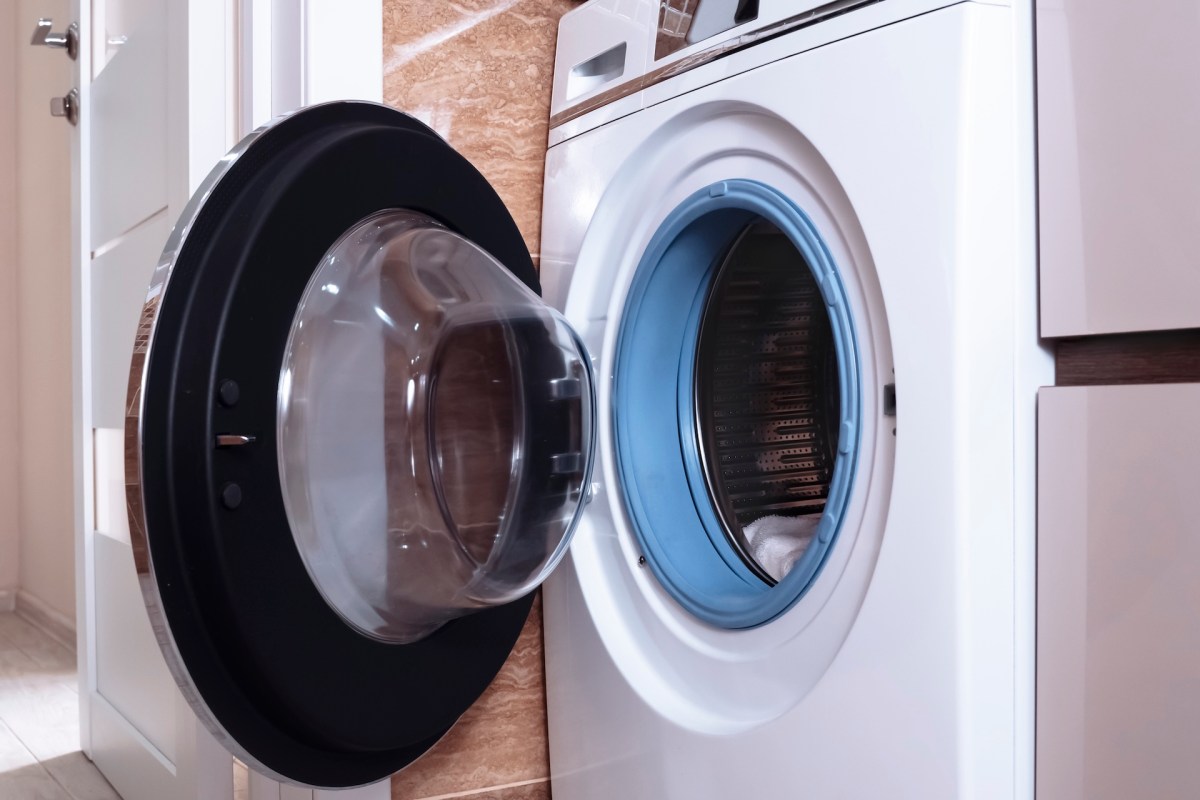
One front-loading washing machine owner said they solved a long-running odor problem with a cheap laundry-routine change: swapping liquid detergent for powder.
Here's what to know
On r/CleaningTips on Reddit, the user said the smell lingered despite attempts to fix it with Affresh washing machine cleaner, bleach, vinegar, and monthly clean cycles.
The Redditor wrote that the odor issue wasn't limited to the appliance itself. Freshly washed clothes seemed fine at first, then started smelling stale.
They described their careful laundry routine: they were not overusing detergent, they used vinegar in the rinse instead of fabric softener, they left the washer door open after use to air out, they removed the detergent tray so it could dry, the machine was cleaned monthly, and they even ran a dehumidifier in the laundry room.
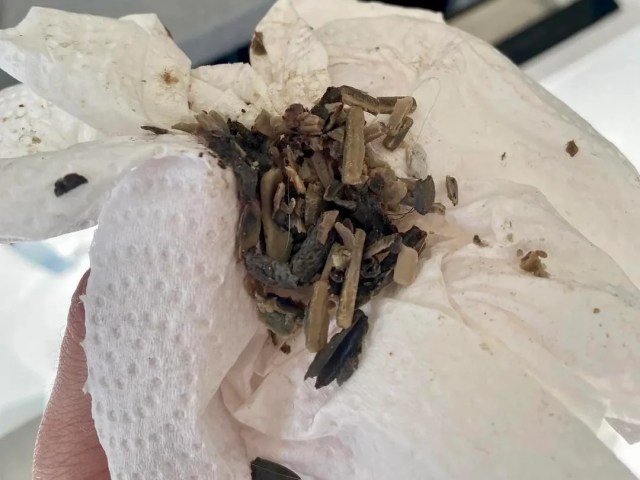
Even with a seemingly immaculate routine, the stale smells lingered, and they even spotted physical debris particles in the machine and on their laundry. They spotted "brown grains/flakes" around the detergent tray and water-dispenser openings, describing them as rust-like, and also said a film kept forming on the washer door.
According to the post, things didn't improve until they replaced Tide + oxi liquid detergent with Tide powder. They noted an immediate improvement in their washed sheets. "They came out looking and feeling like new … mind blown," the poster wrote.
TCD Picks » Quince Spotlight
💡These best-sellers from Quince deliver affordable, sustainable luxury for all




The most dramatic sign came when they ran a washer-cleaning cycle after the switch. They said, "After a week of washing laundry in powder I ran a clean cycle in my machine (which drains into a laundry basin sink) and MASSIVE CHUNKS OF BLACK GUNK STARTED POURING OUT INTO MY SINK FROM THE WASHER."
"Since then, washer smell is totally gone. Brown grain/flakes in detergent tray area, gone. Film on washer door that I was constantly wiping down, gone. And my clothes and sheets don't smell stale anymore," they added. "The money and hours of my life I have wasted cleaning my machine and rewashing stale clothes…. I am so incredibly bitter."
One commenter pointed to "scrud," a "combination of mineral, detergent, soap and fabric softener residues, along with fugitive dye, lint and soils" that can build up in washing machines. "Holy nightmare fuel," the original poster responded.
"Powder is so underrated," one commenter said. "So much less plastic waste, and less problems!"
According to 2020 data from the U.S. Plastics Pact, less than 35% of colored HDPE bottles, the packaging most conventional liquid laundry detergents come in, were recycled in 2019, leaving nearly two-thirds of this plastic to fill landfills or pollute the environment.
To reduce plastic in laundry routines, detergent sheets and powder formulas are most commonly packaged in cardboard boxes, and paper-based products are much more recyclable than plastic packaging.
What can be done?
Anyone dealing with a similar washer smell may want to check the detergent itself before assuming the issue is insufficient cleaning.
Here, the notable detail was that the smell persisted despite a careful maintenance routine. If those factors have already been addressed, it may be worth a closer look at the detergent type.
In this case, a cheaper fix outperformed specialized products, and a subsequent clean cycle flushed debris from the washer.
For other household jobs, the TCD's page on natural cleaning products highlights lower-cost options that use ingredients many people already have at home.

Get TCD's free newsletters for easy tips, smart advice, and a chance to earn $5,000 toward home upgrades. To see more stories like this one, change your Google preferences here.






