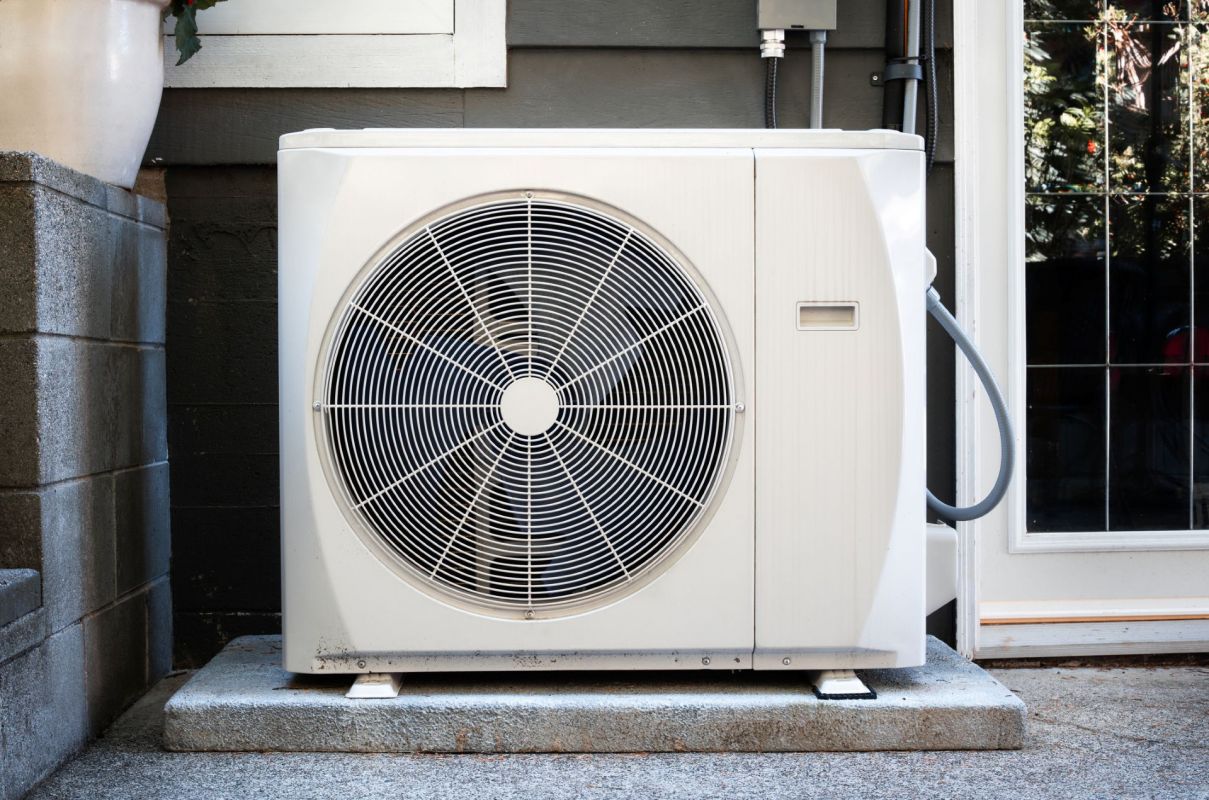
A homeowner is about to get an upgrade many people spend months researching and budgeting for: a free heat pump.
But in the discussion about the no-cost switch from oil heat, commenters quickly zeroed in on one detail that could determine whether the installation saves money or becomes a frustrating experience.
What's happening?
One question dominated the responses to a homeowner preparing for a free heat pump installation: Is the system being sized correctly?
In a post on Reddit, the homeowner said a provincial "save on energy" program had approved the replacement of an oil furnace with a heat pump and air handler.
They described the home as a roughly 1,700-square-foot bungalow from the 1970s and said the equipment planned for the job was a Tosot TU36-24WADU paired with a TUD36-24AH2AD air handler.
The homeowner added that an energy audit had already been completed, but the detailed numbers from that report had still not been provided.
TCD Picks » Quince Spotlight
💡These best-sellers from Quince deliver affordable, sustainable luxury for all




That missing data became a key point in the thread. Some commenters wanted to know which province and program were involved, while others said the homeowner should request the home's Manual J sizing numbers before the unit goes in.
Another commenter said a 36K system might be too large for a house of that size, depending on insulation levels and other factors.
Why does it matter?
A no-upfront-cost heat pump can remove one of the biggest barriers to moving away from older heating equipment. It can also reduce exposure to volatile oil prices while adding efficient cooling in warmer months.
However, "free" does not automatically mean "optimized." Heat pumps perform best when they are sized to a home's actual heating and cooling demand, and the Manual J calculation is central to that.
It is the industry-standard method for estimating how much heating and cooling a house actually needs based on insulation, windows, climate, layout, and other factors.
An oversized system can short-cycle, make the home less comfortable, and chip away at the efficiency gains homeowners may be expecting. If the oil furnace is being removed for good, cold-weather performance matters even more because the heat pump may become the home's primary source of heat.
What can I do?
If you are offered a subsidized or free heat pump, it may be more useful to ask for the complete audit results than to rely only on a summary.
Before installation, the most important items to review may be the Manual J load calculation, the heat pump's low-temperature capacity information, and a clear explanation of whether any backup heat is included.
Other questions include whether the existing ductwork is being evaluated, whether electrical upgrades are needed, and whether insulation or air-sealing improvements could help the new system perform better.
A properly sized unit in a tighter home is more likely to deliver the comfort and bill savings people expect.
Finally, homeowners may want clarity on warranties, maintenance, thermostat compatibility, and what will happen to the old oil equipment.
Incentive programs can create major savings, but installation details still determine how well the system performs.

Get TCD's free newsletters for easy tips, smart advice, and a chance to earn $5,000 toward home upgrades. To see more stories like this one, change your Google preferences here.