


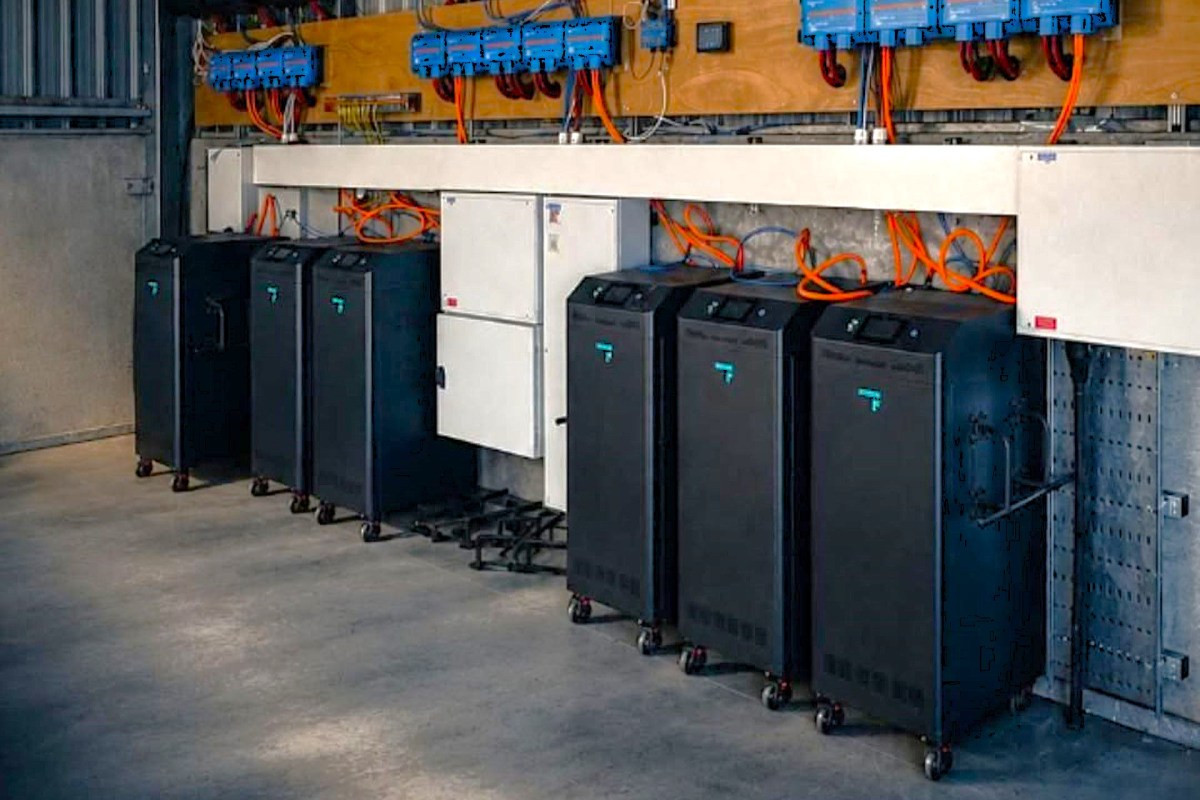
A homeowner in the U.K. sparked a debate after asking why a 2026 Fogstar Energy ECO 48V 16.1-kWh battery was set to an 18% minimum state of charge when online sources said it should be able to go much lower.
Here's what to know
On Reddit's r/SolarUK, the original poster explained that the installer had set the battery's minimum SOC to 18% and that they were considering reducing it. The minimum state of charge determines how much of a battery a household can actually use before the system stops discharging.
"Just wondering what other have their minimum SOC set to as I have a Fogstar 16.1kwh ECO 48V battery (2026 model) and installer set to 18%," the OP wrote. "I've looked on the Fogstar site and can't find it in the user manual but Google talks about setting as low as 5%. Any views as I'm thinking of changing to 10%?"
What commenters said
Replies suggested that many similar systems were configured below 18%. One commenter shared that they had the same "Fogstar Energy ECO 48V 16.1kWh 2026 version, and minimum is set to 11% although the spec says it is 9%."
On a 16.1-kWh battery, an 18% floor leaves about 2.9 kWh in reserve, while an 11% floor leaves about 1.8 kWh. For households hoping to use a home battery to store solar power or take advantage of variable-rate metering, that gap can impact the savings they get from their battery setup.
With the proper setup, adding battery storage is one of the best ways to protect your home during outages, save money on energy, and gain more energy independence. If you're comparing systems, EnergySage can help you explore home battery storage options and competitive installation estimates. Additionally, EnergySage has teamed up with electrification brand Qmerit to help homeowners get the best price on home battery storage solutions.
The thread highlighted a common issue with home battery systems: The battery, the battery management system, and the inverter may not all offer owners the same flexibility. In this case, the OP's battery might be able to reach a lower state of charge than the inverter.
For anyone who want backup power but aren't ready for a larger whole-home battery, Pila offers plug-and-play batteries at a fraction of the cost of a whole-home backup system.
Crushed by your bills? See instant solar savings from vetted installers in just a few clicks With energy prices through the roof, there's never been a better time to go solar — and EasyHome can help you find the best prices from the best installers in your area. EasyHome takes the guesswork and headaches out of energy upgrades by showing you estimated savings from a network of vetted local partners. To get started, just enter your ZIP and share a few details about your home — seeing your estimate is really that easy. |

Where can I learn more?
The following articles cover backup sizing, discharge controls, UK inverter mix-ups, calibration drains, and rapid battery exports to the grid.
• In the U.K., one homeowner considered a 64.4-kWh Fogstar battery priced to run a house for days.
• Battery owners found only 3 preset profiles even after spotting discharge control settings.
• A U.K. homeowner traced the wrong inverter after battery charging kept failing.
• Calibration drained battery during peak-rate hours, catching one owner in the U.K. off guard.
• One homeowner watched two batteries dump to the grid.

Get TCD's free newsletters for easy tips, smart advice, and a chance to earn $5,000 toward home upgrades. To see more stories like this one, change your Google preferences here.






