


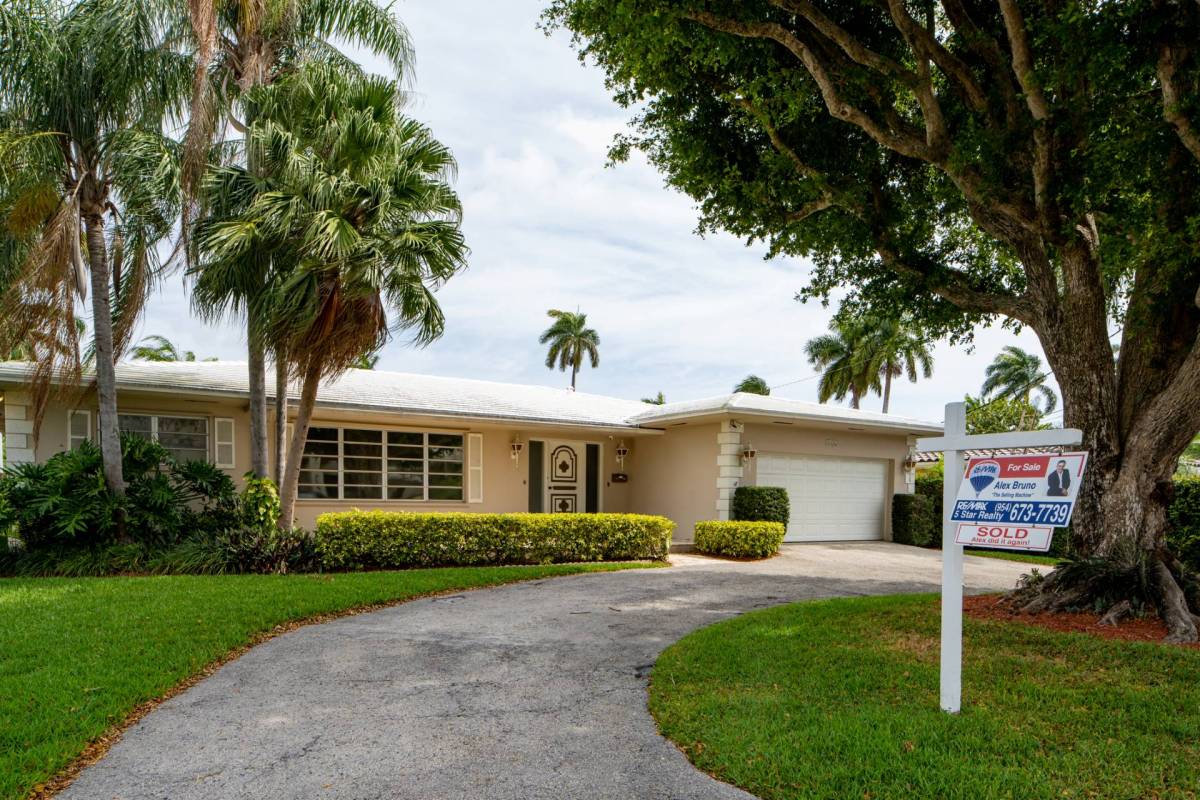
Florida's housing market presents a frustrating contradiction. Roughly 1.5 million homes are classified as vacant, yet many buyers still face steep prices, as WFTV reported.
The figures suggest the state's affordability crisis is not simply about how many housing units exist, but how many are actually available to full-time residents.
Here's what to know
A LendingTree review of U.S. Census Bureau data found that 14.7% of Florida's housing stock falls into the vacant category, putting the state fifth in the country, the station said.
Because Florida has about 10.3 million housing units, that share comes out to roughly 1.5 million homes. Only Maine, Vermont, Alaska, and West Virginia posted higher vacancy rates, per WFTV.
That classification is broader than homes sitting unused and ready for a new owner or tenant right away, the station noted. Under the Census Bureau's definition, "vacant" also includes vacation and seasonal properties, homes that have been sold or rented but are not yet occupied, and units being held off the market.
Across the U.S., the largest portion of vacant housing is seasonal or recreational, totaling about 4.7 million units. Another 2.6 million are vacant rentals, while fewer than 800,000 are vacant homes listed for sale.
TCD Picks » Quince Spotlight
💡These best-sellers from Quince deliver affordable, sustainable luxury for all




More background
A large share of those homes may not be available to local workers, first-time buyers, or families looking for stable year-round housing.
Florida's numbers are likely influenced by its large supply of second homes and vacation properties. In other words, many residences counted as vacant may be used only part of the year rather than reflecting a true glut of available housing.
"In Florida, for example, there are likely to be lots of seasonal vacancies, since so many people have second homes there," LendingTree chief consumer finance analyst Matt Schulz told WFTV. "That demand for retirement homes or vacation properties keeps values higher despite those seasonal vacancies."
The LendingTree analysis found that states with high vacancy rates often also have lower home values, the station noted. Florida is a notable outlier, which helps explain why so many empty units have not brought meaningful relief to buyers.
When housing functions more as a seasonal asset than as a place for neighbors to live full time, prices can remain high, workers may be pushed farther from their jobs, and traffic and sprawl can increase alongside the cost of living.
What can be done?
A high vacancy rate does not automatically mean more affordable options, especially in markets dominated by seasonal or recreational properties.
Total housing costs include listing prices, insurance, property taxes, homeowners association fees, and commuting expenses. In Florida, those added costs can make a major difference in whether a home is truly affordable.
Whether a unit is seasonal, furnished, or subject to owner-use restrictions can determine whether it is realistically available for long-term housing. Vacancy in many cases doesn't translate to more options and better prices for buyers in the Sunshine State.
"As our report shows, not all vacant homes are available to people looking for housing," Schulz concluded to WFTV.

Get TCD's free newsletters for easy tips, smart advice, and a chance to earn $5,000 toward home upgrades. To see more stories like this one, change your Google preferences here.






