


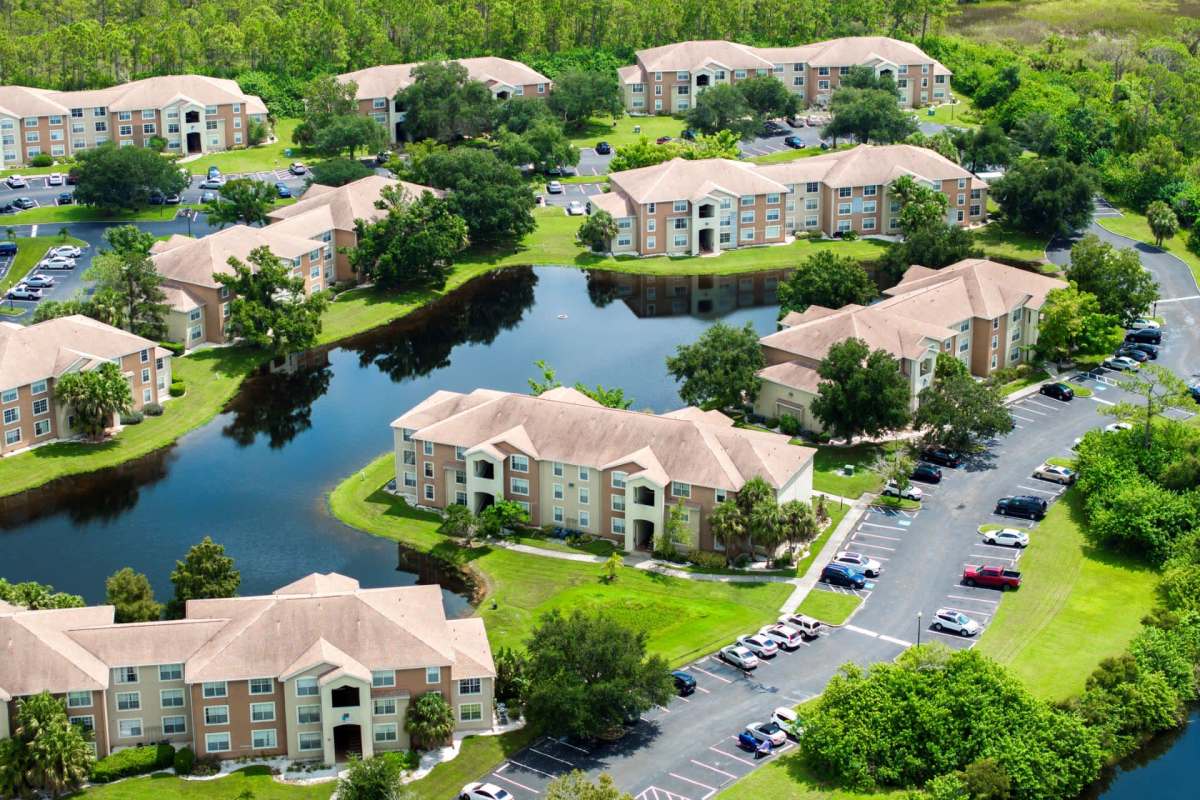
A group of Florida townhome owners says their homeowners association never actually became resident-run.
At Villa Portofino East in Homestead, owners of 117 townhomes say the developer-controlled side remained in charge of the HOA for about 20 years, continued collecting dues, and let shared parts of the property deteriorate.
What happened?
The dispute centers on when control of the HOA should have shifted from the developer to the homeowners.
Last month, Edney Del Risco, Eliseo Moreno, and Madeline Garcia sued in Miami-Dade Circuit Court, as Realtor.com reported.
Their complaint says affiliates tied to Larry Abbo's companies, Prime Group and PMG Asset Services, kept developer-backed representatives on the board well past the point when homeowners should have been able to take over.
Florida's Homeowners' Association Act generally requires a board turnover once 90% of the community's parcels have been conveyed to non-developer owners, after which homeowners are entitled to elect a majority within three months.
TCD Picks » Quince Spotlight
💡These best-sellers from Quince deliver affordable, sustainable luxury for all




The residents say that the benchmark was met long ago.
Attorney Eduardo Gomez, who represents the residents, said the disagreement includes two parcels transferred in June 2024 that are now meant for a hotel site. He argues that the HOA still counts those parcels as residential when deciding whether homeowner control must begin.
Gomez said, "The developer now appears to treat the same parcels two different ways, depending on which calculation favors it."
The complaint also describes maintenance problems that persisted even as residents kept paying monthly assessments, including malfunctioning gates, unsafe common-area features, damaged fencing, and aging stormwater infrastructure.
Why does it matter?
An HOA can affect property values, safety, upkeep, and the types of money-saving home improvements residents are allowed to make.
Florida attorney Chad D. Cummings of Cummings & Cummings Law, who is not involved in the case, told Realtor.com that long-delayed transitions can create what some call "zombie HOAs."
He put the risk plainly: "Whenever we are dealing with a zombie HOA, property values will take a hit. Knowledgeable buyers will run in the other direction."
HOA authority can also shape household budgets in less obvious ways. Across the country, associations have faced criticism for blocking homeowners from making cost-cutting and eco-friendly upgrades, such as installing rooftop solar panels or replacing water-intensive grass with native-plant lawns that can reduce both water use and maintenance costs.
For residents dealing with restrictive association rules, understanding the governing documents can be an important first step.
What's being done?
The residents want the court to decide whether the developer's parcel calculations wrongly postponed turnover and whether the HOA neglected its duties to maintain the property.
Gomez said the residents believe the numbers do not justify continued developer control.
"Our position is that the developer has manipulated the parcel count through a series of post-closing land transfers to keep itself artificially below the threshold for nearly two decades," he said. "The math, as we read it, does not support continued developer control."
As Gomez put it, "The Association is obligated to maintain these features under the governing documents — the residents are the ones funding it through their assessments."
And as Cummings added, "The longer a developer holds control, the more financial risk accumulates for homeowners."

Get TCD's free newsletters for easy tips, smart advice, and a chance to earn $5,000 toward home upgrades. To see more stories like this one, change your Google preferences here.






