


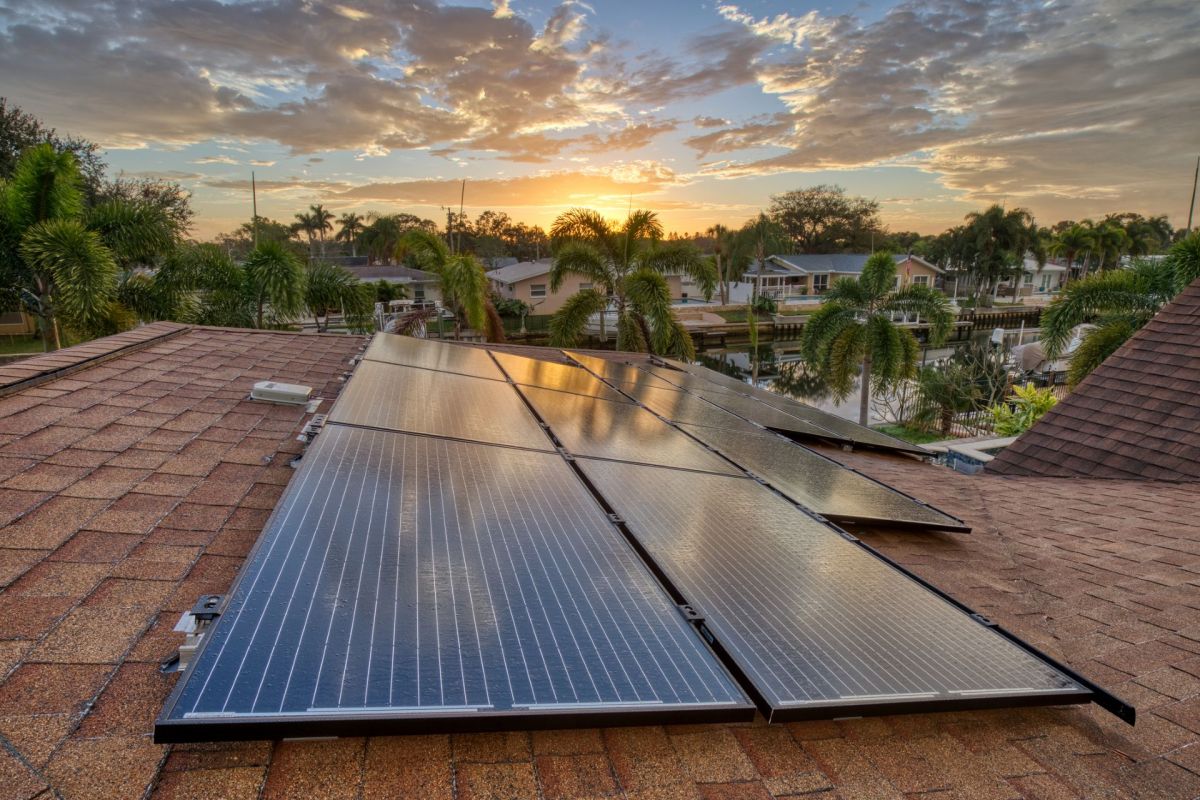
A Florida couple wanted to get out of a solar loan after discovering their electricity bills remained above $300 each month, but it wasn't as simple as it seemed.
Here's what to know
"My parents are unhappy with their solar system," a Reddit user explained.
The system includes 49 panels and two batteries that had to be brought back online after a hurricane, and the poster said "the company has been horrible about holding up their warranty."
Ultimately, a third party had to come out for repairs three months after the storm. Still, the parents expected to pay $65,000 for the panels over 25 years.
"They want to just stop paying because 'if they want them back they can take it' which I agree," the poster continued. However, they worried about legal fallout if they stopped paying.
"Stopping payment on a contract you legally signed is not wise," someone agreed.
More background
Residential solar can lower electricity costs, and $0-upfront solar leases may save households hundreds of dollars monthly, depending on the household and type of agreement. EasyHome offers a free explorer tool to estimate potential savings and find vetted local installers.
In this case, an Enphase energy report showed that the parents used 32.8 megawatt-hours in 2025, while solar production totaled 19.3 MWh.
Crushed by your bills? See instant solar savings from vetted installers in just a few clicks With energy prices through the roof, there's never been a better time to go solar — and EasyHome can help you find the best prices from the best installers in your area. EasyHome takes the guesswork and headaches out of energy upgrades by showing you estimated savings from a network of vetted local partners. To get started, just enter your ZIP and share a few details about your home — seeing your estimate is really that easy. |

"This tells you all you need to know," a commenter noted. "Your parents are using much more energy than their solar system could ever hope to produce."
They indicated that reviewing the sales agreement could provide clues about whether they may have been misled about production.
"Having a large solar system and still having a utility bill doesn't mean anyone got 'scammed,'" they asserted. "If your parents didn't have the solar that $300 bill would be more like $500. It's still working, and it's still saving them money. It's just not big enough to eliminate the entire bill."
What can be done?
Since the solar provider had gone out of business, commenters thought it was worth investigating the terms of the loan and whether the parents might have an out.
To address performance concerns, they recommended reviewing the monitoring app, checking battery charging settings, and comparing actual production with the output promised in the contract.
"Do you know the parameters of the system and what it was designed to do?" one person said. "Having a high bill after installing solar is only part of the equation."
Another agreed, "More details are needed on the installed system, exact contract copy for the install and loan, diagnosis on the PV system and if it's working with FPL's net metering."
When done right, solar is one of the best ways to manage electricity costs and increase energy independence. EasyHome also lets homeowners explore battery-storage options to provide backup power during outages, depending on system configuration.
Where can I learn more?
Other homeowners have reported similar frustrations with high electricity bills and underperforming solar panel systems.
• A Texas homeowner says a solar lease pitched as "no bill" left him paying $620 monthly.
• A homeowner inherited a solar lease, but production faltered, and the power bill hit $600.
• A Florida homeowner auditing a utility bill couldn't find credits for exported power.
• A Virginia homeowner paid $129,000 for solar but said power bills still reached $400.
• A Florida homeowner paid $65,000 for solar panels and batteries, then backup fell to 1%.

Get TCD's free newsletters for easy tips, smart advice, and a chance to earn $5,000 toward home upgrades. To see more stories like this one, change your Google preferences here.
Cool Picks






